




Cervical disc bulge is a common musculoskeletal disorder in middle aged adults, primarily associated with the natural aging process. If not diagnosed and treated early, the condition may progress to cervical disc herniation. Therefore, early recognition and appropriate treatment are essential to prevent potentially serious complications.
What is a cervical disc bulge?
A cervical disc bulge is a condition in which an intervertebral disc in the cervical spine becomes displaced or protrudes outward, placing pressure on nearby nerve roots. This may lead to persistent neck pain, numbness in the arms or legs, and, in severe cases, impaired mobility. Most cervical disc bulges commonly occur at the C5–C6 and C6–C7 levels.
Cervical disc bulge is often confused with cervical disc herniation because the clinical symptoms can be quite similar. Medically, a cervical disc bulge refers to a condition in which the nucleus pulposus remains contained within the annulus fibrosus. In contrast, cervical disc herniation occurs when the annulus fibrosus ruptures, allowing the disc material to protrude outward and compress the nerve roots or spinal cord.
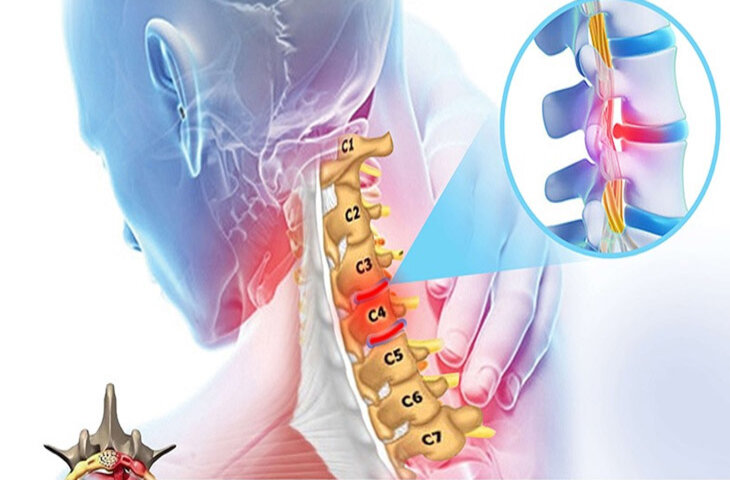
Therefore, a cervical disc bulge may be considered a milder form of cervical disc herniation, as the intervertebral disc has not yet been completely damaged, making the condition easier to manage and treat. However, without early intervention, it may rapidly progress to cervical disc herniation.
Causes of cervical disc bulge
Cervical disc bulge can occur in both older and younger individuals, although it is most commonly seen in middle aged and older adults. The condition is primarily associated with the natural aging process. However, many cases are also linked to unhealthy lifestyle habits, poor posture during daily activities or work, and neck injuries or trauma.
- Age: Over time, the body gradually undergoes degeneration and aging. Age related musculoskeletal changes increasingly affect highly mobile regions such as the lumbar and cervical spine.
- Trauma or injury: Cervical disc bulge may occur following sports injuries, heavy lifting, or traffic accidents involving the cervical spine, which can weaken the intervertebral discs.
- Unhealthy lifestyle habits: Smoking and excessive alcohol consumption may negatively affect the annulus fibrosus of the cervical discs. In addition, poor daily postures such as prolonged sitting, slouching, forward head posture, or excessive neck extension can place abnormal stress on the cervical spine and increase the risk of cervical disc bulge.
Typical symptoms of cervical disc bulging
Cervical disc bulging progresses gradually through different stages. In the early phase, mild disc protrusion often does not cause significant nerve compression; therefore, most patients experience little to no pain or restriction in movement and may overlook the condition. As the disease progresses, more noticeable symptoms may develop, including:
- Neck, shoulder, and arm pain: Pain, aching, or a burning sensation typically begins in the neck and may gradually radiate to the shoulders and upper back. Over time, the discomfort can extend down the arms, forearms, and fingers. Symptoms may improve with rest and avoidance of strenuous physical activities.
- Headaches, dizziness, and blurred vision: As nerve root compression and spinal canal narrowing become more pronounced, neck and shoulder pain may become more frequent and severe, often accompanied by headaches, dizziness, and visual disturbances. These symptoms may indicate a more advanced stage of cervical disc bulging requiring prompt medical evaluation.

Treatment options for cervical disc bulging
Most patients with cervical disc bulging do not require surgery and can be effectively managed with conservative treatments, including medication, physical therapy, and rehabilitation programs. These approaches aim to relieve pain, improve mobility, and prevent progression to cervical disc herniation.
Although cervical disc bulging is generally not considered a life-threatening condition, early diagnosis and appropriate treatment are important to prevent complications and preserve spinal function. Based on the severity of symptoms and individual clinical findings, specialists will develop a personalized treatment plan to achieve the best possible outcomes.
- Medication therapy: Treatment may include nonsteroidal anti-inflammatory drugs (NSAIDs), B-complex vitamins, peripheral vasodilators, and other medications as prescribed. Dosage and duration of treatment should be determined by a physician to ensure optimal effectiveness and safety. Patients should avoid self-medication due to the risk of potentially serious adverse effects.
- Physical therapy and rehabilitation: Physical therapy exercises help relax muscles, improve blood circulation, and reduce pressure on compressed nerves. As a result, they can alleviate pain, reduce numbness and tingling sensations, and enhance mobility and functional recovery.
At Hong Ngoc General Hospital in Hanoi, the Department of Traditional Medicine and Rehabilitation is a trusted destination for physical therapy and rehabilitation in the management of cervical disc bulging. The department is highly regarded by patients for both its clinical expertise and high-quality healthcare services.
Experienced specialists with extensive expertise include:
- Dr. Dinh Van Hao, Head of the Department of Traditional Medicine and Rehabilitation at Hong Ngoc Phuc Truong Minh General Hospital, received advanced training in Austria and has more than 10 years of experience in treating musculoskeletal and neurological disorders.
- Dr. Do Chi Hung, PhD, former Head of the Department of Rehabilitation at E Hospital, has nearly 40 years of experience in rehabilitation medicine, including recovery before and after trauma, orthopedic surgery, peripheral nerve injuries, stroke, and other neurological conditions.
- The department is further supported by a team of highly skilled physicians and rehabilitation therapists, including Dr. Nguyen Tien Tai, Dr. Tong Khanh Linh, MSc, and Dr. Do Duc Bao, MSc, among others.
German rehabilitation technology combined with advanced Austrian manual therapy techniques helps provide rapid pain relief and improve mobility:
- The department is equipped with a fully integrated rehabilitation system imported from Germany, including interferential therapy devices, therapeutic laser systems, spinal traction tables, and one of Northern Vietnam’s most advanced hydrotherapy facilities.
- Advanced Austrian manual therapy and joint mobilization techniques help relieve muscle tightness, restore joint alignment, reduce the risk of symptom recurrence, and optimize treatment outcomes while minimizing the need for medication.
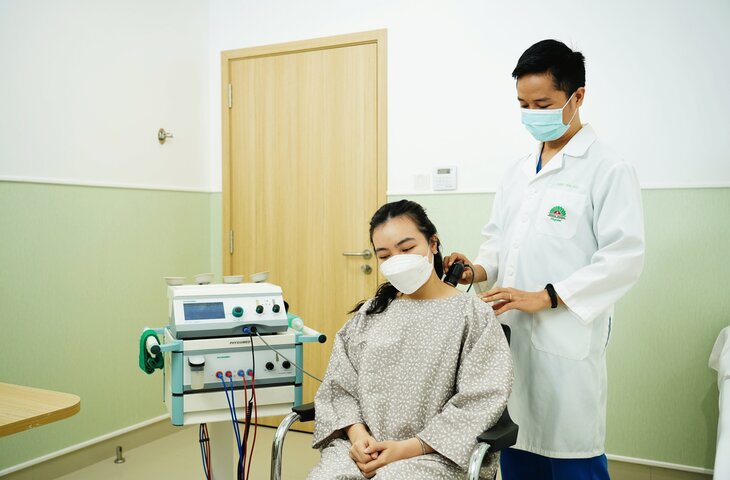
In addition, patients receiving consultation and treatment at Hong Ngoc General Hospital can enjoy a range of premium amenities and services:
- A clean, comfortable hospital environment with modern conveniences, including complimentary Wi-Fi, cafés, and dining facilities.
- Individualized follow-up schedules with proactive appointment reminders for each patient.
- Fast and efficient direct billing and insurance claim support, helping maximize patient benefits.
- Medical services available seven days a week, including weekends, with no additional consultation fees.
To receive personalized consultation regarding the diagnosis and treatment of cervical disc bulging at Hong Ngoc General Hospital, please contact our hotline at 0243 927 5568 (extensions 2225 or 2265).
Preventing cervical disc bulging
Taking proactive steps to protect spinal health is the most effective way to reduce the risk of cervical disc bulging and avoid the pain, numbness, and functional limitations associated with the condition. The following measures may help prevent cervical disc bulging and reduce the likelihood of progression to cervical disc herniation:
- Maintain a balanced diet and ensure adequate intake of essential vitamins and nutrients while avoiding overweight and obesity.
- Limit heavy lifting and physically demanding activities that place excessive strain on the cervical spine.
- Engage in regular physical activity and exercise to improve flexibility, strength, and overall musculoskeletal health.
- Maintain proper posture during daily activities and work to minimize stress on the neck and spine.
- Avoid smoking and limit alcohol consumption.
- Undergo routine health check-ups at least every six months to facilitate early detection and timely management of spinal disorders.

If left untreated, cervical disc bulging may progress to cervical disc herniation, resulting in more severe pain, neurological symptoms, and potentially serious complications. Therefore, individuals experiencing symptoms suggestive of cervical disc disease should seek prompt medical evaluation at a reputable healthcare facility for accurate diagnosis and appropriate treatment.
Note: The information provided in articles published by Hong Ngoc General Hospital is intended for reference purposes only and should not be considered a substitute for professional medical diagnosis, advice, or treatment. Patients should not self-medicate or initiate treatment without medical supervision. For an accurate assessment of any medical condition, individuals are advised to consult a qualified healthcare professional for a comprehensive evaluation, diagnosis, and personalized treatment plan.
For more health information and updates, please follow the official Facebook page of Hong Ngoc General Hospital: