



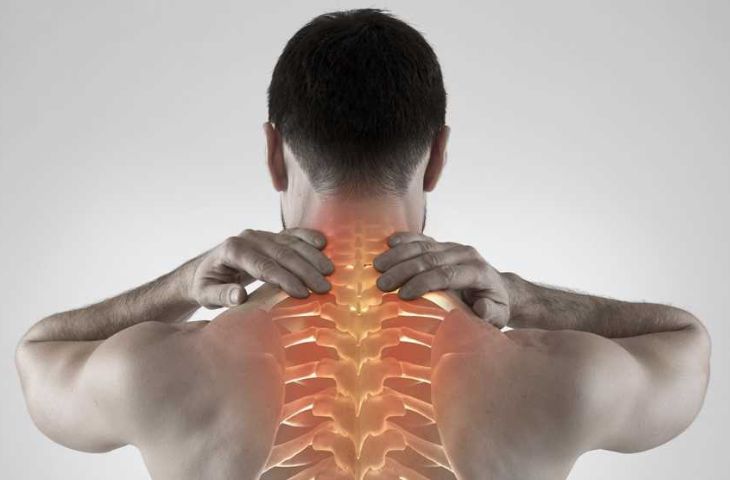
Today, the number of young people experiencing neck and shoulder pain is increasing. The condition is often persistent and can negatively affect quality of life. So, what causes neck and shoulder pain, and how can it be prevented?
Causes of neck and shoulder pain and neck stiffness
Neck and shoulder pain and neck stiffness may result from various causes, such as heavy labor, poor sitting or lying posture, stress, or certain underlying conditions that are often overlooked. The causes of neck and shoulder pain can be classified into three main groups as follows:
Mechanical causes of neck and shoulder pain
This group includes physical factors that place strain on the neck and shoulder region, leading to muscle tension, pain, and fatigue. Common causes include prolonged and repetitive heavy labor or lifting, injuries, and poor posture in daily activities, such as sitting without keeping the back straight or sleeping continuously on one side.
Patients may experience more severe pain in the morning, especially after waking up. The pain may resolve on its own after a few days or weeks. However, if mechanical stress continues over time, neck and shoulder pain may become persistent and progress into a pathological condition.

Neck and shoulder pain caused by underlying diseases
Unexpected causes of neck and shoulder pain may include disorders of the spine or motor nerves.
Cervical spondylosis
Statistics show that 70 to 80% of persistent neck and shoulder pain cases are caused by cervical spondylosis or degeneration of the intervertebral and facet joints. Degenerative changes may compress the nerves in the cervical spine, leading to frequent stiffness, pain, and fatigue in the neck and shoulder region. This condition is highly prevalent among middle aged adults, particularly those aged 40 and older.
Disc herniation compressing motor nerves
Persistent neck and shoulder pain, neck pain accompanied by numbness in both arms, or pain radiating down the arms and hands may be a warning sign of disc herniation compressing the motor nerves. When motor nerves are compressed, patients may experience numbness and pain along the affected nerve pathway, causing pain to gradually radiate from the neck and shoulders down to the hands.
Neck and shoulder pain caused by cervical muscle spasms
If severe pain occurs on one side of the neck and neck rotation becomes difficult, especially after waking up in the morning, this may be a symptom of cervical muscle spasm. Some patients may have milder symptoms, such as pain on both sides of the neck radiating to the head or down to the shoulders. The pain may ease when the patient shrugs the shoulders. This condition is often caused by prolonged work or exercise that places pressure on the cervical muscles, leading to excessive strain and muscle spasms.
Scapulothoracic joint dysfunction
Frequent neck and shoulder pain that improves when the chest is extended and both shoulders are pulled backward may indicate scapulothoracic joint dysfunction. This condition often occurs when strong impact or prolonged pressure is placed on the shoulder blade region, causing the surrounding muscle groups to become overworked.
Adhesive capsulitis of the shoulder
Persistent neck and shoulder pain may also be caused by shoulder joint disorders. In some cases, it may be misdiagnosed as a neck condition because shoulder pain can radiate to the neck. If the pain becomes severe enough to make simple movements difficult, such as combing the hair, buttoning clothes, or moving both hands behind the back, and is accompanied by a feeling of shoulder stiffness or “frozen shoulder,” it may be a warning sign of adhesive capsulitis of the shoulder.
Rotator cuff tendon tear in the shoulder joint
If patients experience pain in the neck and shoulder region but can still move normally in most positions, while having difficulty raising both arms to reach objects overhead, the cause may be a rotator cuff tendon tear within the shoulder joint. This condition may result from a shoulder injury or from deformity of the acromion in the shoulder joint, which can cause the rotator cuff tendon to tear.
Neck and shoulder pain caused by stress
Not many people know that mental stress and frequently staying up late can also cause neck and shoulder pain. When the mind is under constant stress, the muscle groups in the neck and shoulder region and the surrounding nerves may also become tense, leading to pain. In addition, the neck and shoulder region is an important pathway for nerve impulses traveling to other parts of the body, making it highly sensitive and more vulnerable to injury.
Neck and shoulder pain caused by weather changes
Weather changes may also trigger neck and shoulder pain. When the weather changes suddenly and atmospheric pressure drops, or when the body is exposed to abrupt temperature changes from frequently entering and leaving air conditioned rooms, oxygen supply to muscle cells may decrease. This can cause localized ischemia and lead to neck and shoulder pain. Because the muscle groups in the neck and shoulder region are used frequently, they are also more prone to soreness, pain, and fatigue.
In addition to the causes mentioned above, some cases of neck and shoulder pain may occur spontaneously without a clear cause. In such cases, patients should monitor their symptoms carefully and seek medical evaluation early to detect abnormalities and receive timely treatment. If the condition persists, it may become more difficult to treat and may leave serious sequelae.
Prolonged neck and shoulder pain that is not properly managed may lead to cartilage and subchondral bone wear, increase the risk of bone spur formation, joint deformity, chronic pain, and difficulty with movement, thereby affecting quality of life.
When should patients see a doctor for neck and shoulder pain?
Most cases of common neck and shoulder pain caused by mechanical factors or weather changes may resolve on their own over time or improve with simple massage therapy. However, if the pain tends to worsen, does not improve after one week, makes movement difficult, or is accompanied by numbness that gradually spreads to other parts of the body, patients should see a musculoskeletal specialist for timely examination and treatment.
Treatment methods for neck and shoulder pain
To treat neck and shoulder pain, patients should visit a reputable healthcare facility with a Musculoskeletal Department so that doctors can accurately diagnose the cause, condition, and severity of the pain, and recommend an appropriate treatment plan. Depending on the severity of the condition, the following methods may be applied:
Medication
If neck and shoulder pain is caused by musculoskeletal disorders, patients may be prescribed medication. The two commonly used groups of medications are pain relievers and anti inflammatory drugs. When using medication, patients should strictly follow the regimen and treatment course prescribed by their doctor. They should not purchase or use pain relievers on their own, as this may increase the risk of drug resistance and harm their health.
Cold or warm compresses
If neck and shoulder pain is mild and caused by mechanical factors, patients may achieve rapid pain relief by applying cold or warm compresses to the painful area. Taking a warm bath may also help relax the body and relieve soreness in the neck and shoulder region.
Physical therapy
Physical therapy is effectively used in the treatment of musculoskeletal conditions, especially neck and shoulder pain. Heat therapy and electrotherapy may both provide good results. In addition, massage, acupressure, and cervical spine stretching can be beneficial for patients with chronic neck and shoulder pain.
Patients should not perform massage or acupressure on their own without professional knowledge. It is best to visit a reputable physical therapy facility for proper and effective pain management. Combining therapy with yoga exercises for neck and shoulder pain may also be helpful, not only relieving pain but also improving musculoskeletal health.
The Musculoskeletal Department at Hong Ngoc General Hospital is a trusted address for the examination and treatment of neck and shoulder pain, highly regarded by many patients for both professional expertise and service quality. The department has a team of experienced and highly qualified musculoskeletal specialists who have worked at leading hospitals in Vietnam and abroad, including Bach Mai Hospital, Viet Duc University Hospital, and Royal North Shore Hospital in Australia.
In addition, physical therapy is prioritized for patients with neck and shoulder pain at Hong Ngoc Hospital, combining German therapy technology with advanced Austrian manual therapy techniques to help relieve compressed nerve roots, reduce calcification, and restore mobility quickly without medication overuse.

Surgery
In some cases, severe neck and shoulder pain caused by disc herniation, spondylolisthesis, or other serious conditions may require surgical intervention.
Prevention of neck and shoulder pain
Neck and shoulder pain not only reduces quality of life but also significantly affects work, leaving patients tired, uncomfortable, and troubled by persistent pain. To prevent this condition, it is important to understand the causes of neck and shoulder pain and limit exposure to these risk factors.
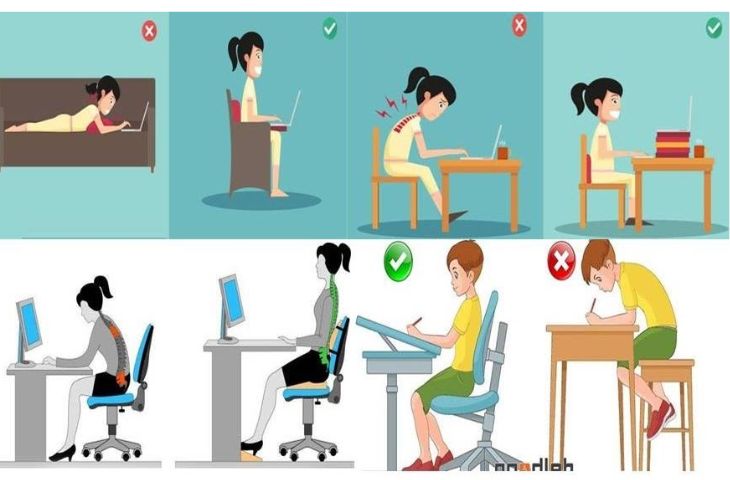
- Avoid sitting or lying in one position for too long. Move regularly, stand up and walk around, or perform exercises that help relax the neck and shoulder muscles after every 45 minutes of desk work.
- Gentle massage of the neck and shoulder region may help improve blood circulation.
- When reading, watching movies, or working, maintain proper posture. Try to keep the back straight or use back support. When standing up or sitting down, move gently to avoid poor posture that may strain the muscles.
- Choose a pillow with an appropriate height when sleeping. Using a pillow that is too high can impair blood circulation and easily cause soreness and fatigue in the neck and shoulder region.
- Regular movement and exercise help strengthen muscles, bones, and joints, improve blood circulation, and reduce the risk of neck and shoulder pain.
- Maintain a balanced diet and ensure adequate vitamin intake, especially calcium, to help prevent osteoporosis.
- Try to maintain a relaxed state of mind and limit stress and tension to help prevent muscle pain.
The information above provides a detailed overview of the causes, treatment, and prevention of neck and shoulder pain. Neck and shoulder pain can affect anyone. Therefore, patients should not ignore the condition and should seek timely medical examination and treatment when warning signs appear.
Note: The information provided in this article by Hong Ngoc General Hospital is for reference purposes only and is not intended to replace professional medical diagnosis or treatment. Patients should not purchase or use medications on their own for treatment. To accurately determine their medical condition, patients should visit a hospital for direct examination, diagnosis, and consultation with a physician on an appropriate treatment plan. Follow the Facebook fanpage of Hong Ngoc General Hospital for more useful information:https://www.facebook.com/BenhvienHongNgoc