



Neck and shoulder pain often causes discomfort and can affect both the physical and mental health of patients. Understanding the causes of neck and shoulder pain can help people choose the most effective prevention and treatment measures.
Causes of neck and shoulder pain
The causes of neck and shoulder pain can be divided into three main groups: mechanical causes, underlying medical conditions, and other causes.
Mechanical causes of neck and shoulder pain
- Poor posture in daily activities: Sitting in front of a computer screen for too long, bending the neck forward for prolonged periods, resting the head against a chair, sitting with a hunched back, sleeping with the head down on a desk, sleeping without changing position, or sleeping curled up on one side can affect blood and oxygen supply to the muscles in the neck and shoulder region. This may lead to soreness, fatigue, and muscle stiffness in these areas.
- High intensity exercise: Overexertion or improper exercise posture is one of the causes of neck and shoulder pain. In addition, insufficient warm up or failure to warm up before playing sports may also contribute to soreness and fatigue in the neck and shoulder area.
- Unhealthy lifestyle habits: Frequently bathing late at night, sitting for long periods in front of a fan or air conditioner, or being regularly exposed to rain and harsh sunlight may disrupt the nervous system that controls sensation and muscle activity in the neck and shoulder region.
- Occupational factors: People whose jobs require prolonged sitting or standing in one position, such as office workers, drivers, security guards, or garment workers, may experience compression of the muscles in the neck and shoulder blade area, leading to pain. This occurs because blood circulation in the cervical spine may be affected, reducing blood supply to the nerves.
- Heavy lifting: Frequently carrying or lifting heavy objects on the shoulders is one cause of neck and shoulder pain, as this activity requires significant force from the arms or shoulder joints for support. In addition, the habit of carrying a bag or wearing a crossbody bag on one shoulder may place pressure on the back, shoulders, and neck, causing the spine to tilt to one side and resulting in neck and shoulder pain.
- Soft tissue injury: Neck and shoulder pain may result from soft tissue injury. Soft tissues include muscles, tendons, and ligaments. When soft tissue damage occurs, it may cause pain, muscle spasms, neck stiffness, and headache.
- Neck injury: This refers to tears in the muscles, tendons, and ligaments of the neck caused by sudden neck movement. Common symptoms include neck pain and stiffness, headache, dizziness, or blurred vision.

Neck and shoulder pain caused by underlying medical conditions
Neck and shoulder pain may be a warning sign of certain underlying conditions in the body, including:
- Cervical spondylosis: When the cervical vertebrae degenerate, the nerves responsible for sensation in the neck and shoulder region may become compressed. As a result, patients may experience numbness, stiffness, and sharp pain, especially after waking up. This condition is more common in people over the age of 40.
- Cervical disc herniation: When the outer fibrous ring of a cervical intervertebral disc gradually weakens, the nucleus pulposus may protrude outward. The displaced disc can compress nearby nerve roots in the neck and shoulder region, causing pain and fatigue.
- Spinal calcification: This is a condition in which calcium deposits accumulate in the ligaments attached to the vertebral bodies, cartilaginous discs, or transverse processes of the spine, leading to spinal calcification and bone spur formation. These bone spurs may compress nerve roots in the spinal canal or intervertebral foramina, causing pain in the neck and shoulder region and making daily movement more difficult.
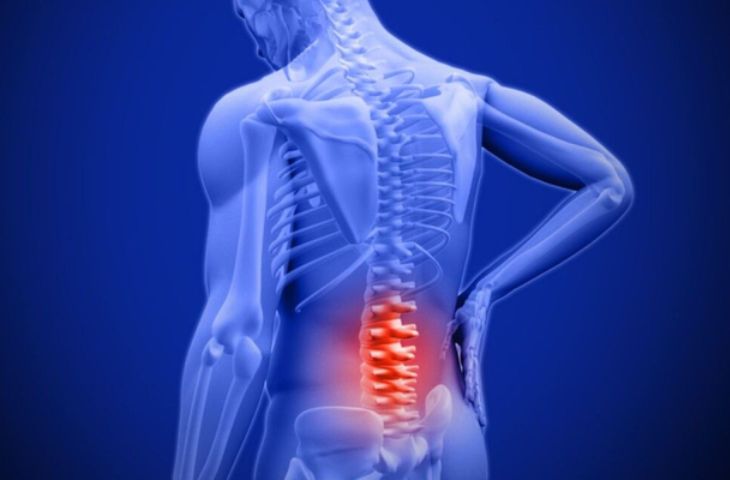
- Neurological dysfunction: When the nerves in the neck and shoulder region are overstretched, pain and fatigue may occur. Patients may also feel tired, have difficulty sleeping, struggle to concentrate at work, and become emotionally sensitive. This is also one of the most common causes.
- Scapulothoracic joint dysfunction: This is a common cause of neck and shoulder pain in people such as office workers, garment workers, and drivers, who have to stand or sit continuously for many hours. Prolonged posture may overstretch the muscles, causing pain and fatigue inside the shoulder blade area, the back of the neck, and the back. As the condition worsens, patients may find it difficult to perform basic movements such as bending the head forward or turning the neck to the left or right.
- Shoulder bursitis: Due to injury or trauma, the shoulder joint may become inflamed, causing pain and limited movement in the neck and shoulder region. The pain may become more severe in cold weather or at midnight when lying on one side. In some cases, patients may be unable to comb their hair, reach behind their back, or reach for objects overhead.
- Stable angina: Pain in the neck, shoulders, back, or jaw can be a manifestation of stable angina, which occurs when the coronary arteries are narrowed and cannot meet the heart’s oxygen demand.
- Neurological disorders: Nerve related conditions that may cause neck and shoulder pain include neuritis and compression of the nerves supplying the shoulder region.
- Osteoporosis and fractures: Osteoporosis makes bones fragile and weak, increasing the risk of fractures and bone injuries. In some cases, pain and fatigue in the neck and shoulder region may be the first sign of osteoporosis.
- Neck and shoulder pain accompanied by headache: This symptom may occur when the neck muscles become spasmodic and tight, or when the neck is misaligned. Sometimes, patients may experience pain similar to migraine. Common signs include pain on one side of the head or face, pain around the eye socket, neck and shoulder stiffness, and headache after certain neck movements.
- Cancer: In some cases, persistent neck and shoulder pain that does not improve may be a sign of head or neck cancer. Statistics show that about 75% of head and neck cancer cases are associated with excessive alcohol and tobacco use. In addition, neck and shoulder pain may also be a warning sign of lung cancer.
Other causes
- Age: The older a person gets, the faster the body undergoes aging. At the same time, the musculoskeletal system gradually degenerates and declines in function. Therefore, older adults have a higher risk of developing neck and shoulder conditions than younger people.
- Weather changes: During seasonal transitions, especially in cold weather, blood vessels may constrict, reducing the transport of blood and oxygen. This can make neck and shoulder pain worse.
- Exposure to cold: Sudden exposure to cold, such as sitting in an air conditioned room for a long time, being caught in the rain, or bathing late at night, may damage the nerves. This can reduce oxygen supply to muscle cells and cause localized ischemia in the muscles, leading to neck and shoulder pain and fatigue.
- Smoking: Smoking reduces the amount of oxygen supplied to the muscles, joints, and skin. This may make the neck and shoulder region more susceptible to degeneration.

- Stress: During periods of stress or anger, muscle stiffness and pain may occur in certain areas of the body.
- Vitamin and mineral deficiencies:
Vitamin B deficiency can weaken peripheral nerve function, leading to numbness and fatigue.
Deficiency of essential minerals such as iron and calcium may also contribute to musculoskeletal damage.
Preventing neck and shoulder pain
To prevent neck and shoulder pain and reduce related risk factors, people should build positive and healthy lifestyle habits, including:
- Exercising regularly with appropriate physical activities and choosing exercises that suit their individual fitness level.
- Maintaining a reasonable work and daily routine, with movement and short breaks when working in one position for too long.
- Maintaining proper posture during daily activities and movement.
- Following a balanced and nutritious diet, with adequate intake of essential minerals and vitamins such as calcium, potassium, and vitamins B, C, and E.
When frequent symptoms of neck and shoulder pain occur, patients should visit a reputable healthcare facility for examination and proper treatment by a specialist.
In Hanoi, the Musculoskeletal Department at Hong Ngoc General Hospital is a trusted medical address for the examination and treatment of neck and shoulder pain, highly regarded by many patients for both professional expertise and service quality, with:
- A team of experienced and highly qualified doctors who have worked at leading hospitals in Vietnam and abroad, including Bach Mai Hospital, Viet Duc University Hospital, and Royal North Shore Hospital in Australia.
- A modern medical equipment system imported from the United States, helping ensure optimal diagnostic and treatment effectiveness.
- A combined treatment approach using German physical therapy technology and advanced Austrian manual therapy techniques to help rapidly relieve pain in the neck and shoulder region and improve musculoskeletal flexibility.
In particular, patients undergoing examination and treatment for neck and shoulder pain at Hong Ngoc General Hospital can access a wide range of conveniences, including a clean and airy hospital environment, a specific follow up schedule with proactive appointment reminders, fast direct billing services, and weekend availability on both Saturday and Sunday with no additional charges.
For more in depth consultation on the causes of neck and shoulder pain at Hong Ngoc Hospital, please contact the hotline at 0911 858 622 or register your information for support.
Note: The information provided in this article by Hong Ngoc General Hospital is for reference purposes only and is not intended to replace professional medical diagnosis or treatment. Patients should not purchase or use medications on their own for treatment. To accurately determine their medical condition, patients should visit a hospital or reputable healthcare facility for direct examination, diagnosis, and consultation with a physician on an appropriate treatment plan.
Follow the official fanpage of Hong Ngoc General Hospital for more useful health information:https://www.facebook.com/BenhvienHongNgoc