


Hip osteoarthritis primarily occurs due to wear and tear of the articular cartilage, leading to changes in bone structure, pain, and limited mobility. Therefore, patients should understand the causes of hip osteoarthritis to ensure timely intervention and treatment.
Role and structure of the hip joint
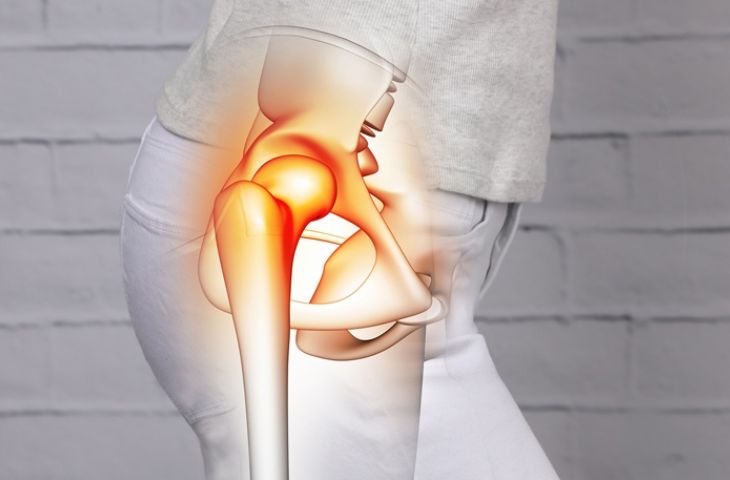
The hip joint plays an important role in the body. It is the junction between the femur and the pelvis and serves as a support structure for the upper body. At the same time, the hip joint acts as a central pivot for body movement, especially flexion and extension. It also helps support body weight and withstands the forces placed on the body when standing, running, or jumping.
The hip joint consists of two main components:
- The spherical femoral head.
- The concave acetabulum of the pelvis.
The acetabulum is surrounded by a ring of fibrocartilage known as the acetabular labrum. This structure helps prevent separation of the joint surfaces, maintain synovial fluid within the joint, and ensure the stability and firmness of the hip joint.
8 causes of hip osteoarthritis
Accurately identifying the cause of hip osteoarthritis plays an important role in helping doctors select an appropriate and effective treatment method and regimen. There are eight common causes of hip osteoarthritis, including:
Natural aging
Over time, advancing age accelerates the aging process, causing cartilage, bones, and joints to gradually weaken, while synovial fluid also decreases. As a result, up to 50% of people with hip osteoarthritis are over 60 years old. This is known as primary hip osteoarthritis.
Congenital abnormalities
In many cases, abnormalities in the structure of the hip joint or leg bones may be present from birth. This means children have a higher risk of developing conditions such as hip dysplasia, dislocation, and even hip osteoarthritis later in life.
Injury
Sports injuries, occupational accidents, and injuries during daily activities can all contribute to inflammatory degeneration of the hip joint. In addition, hip fractures, cartilage tears, or any other injury in this area may weaken and gradually wear down the hip joint.
Genetic factors
Many studies have shown that people with a family history of hip osteoarthritis have a higher risk of developing the condition than others, accounting for an estimated 60% of cases. This may be due to inherited gene mutations or structural defects in the bones.
Frequent overexertion
Heavy lifting or improper posture can place continuous excessive pressure on the hip joint, gradually leading to joint damage.
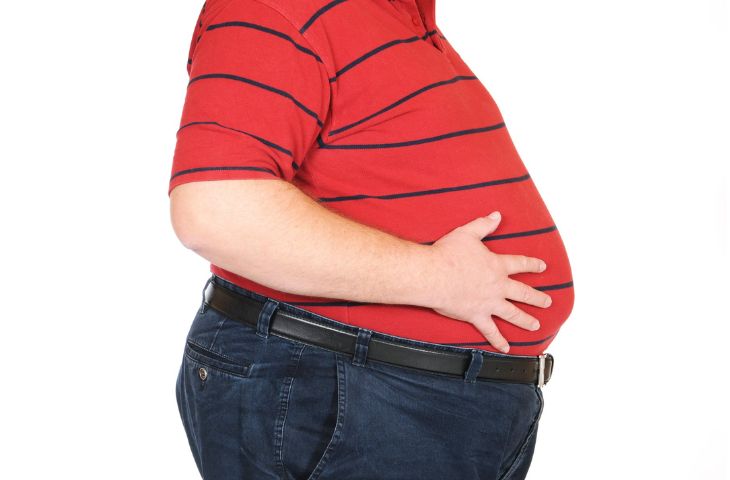
Overweight and obesity
When body weight exceeds the recommended range, excessive pressure is placed on the hip joint, causing overload in this area. Over time, this can accelerate the degenerative process.
History of musculoskeletal disease
Patients who have previously had musculoskeletal conditions such as gout, rheumatoid arthritis, ankylosing spondylitis, diabetes, hip dislocation, hemochromatosis, or tuberculous arthritis may have a significantly higher risk of developing hip osteoarthritis.
Unhealthy diet
An unhealthy diet that does not provide sufficient essential nutrients for cartilage development may cause the hip joint to degenerate more quickly. In addition, frequent consumption of processed foods, fast food, animal organs, excessive alcohol, carbonated drinks, and stimulants may also contribute to hip osteoarthritis.
When the hip joint becomes weakened and gradually loses its function, patients may face many difficulties in daily life.
How dangerous is hip osteoarthritis?
Hip osteoarthritis not only affects physical health but can also have a negative impact on a patient’s mental well being. If the condition is not actively treated from the early stages, it may lead to several serious complications, including:
- Bone spur formation: This is a consequence of prolonged hip osteoarthritis. Bone spurs may develop around the joint, making daily activities such as bending forward or abducting the hip more difficult for patients.
- Joint malalignment: This occurs when the cartilage wears down rapidly, causing the bone to shift to one side and the hip joint to move out of its normal position.
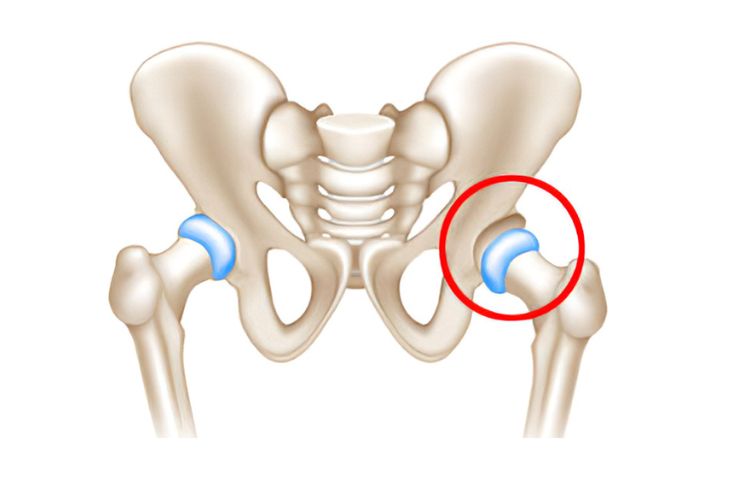
- Synovial fluid leakage: Hip osteoarthritis may cause synovial fluid in the cartilage layer to leak out, causing the two bone ends to rub against each other. As a result, patients may experience severe pain during movement.
- Permanent disability: This complication may occur when the disease has progressed to an advanced stage, causing deformity of the femoral head and acetabulum, extensive bone spur formation around the joint, and severe loss of mobility. In such cases, patients may lose the ability to move and walk.
Therefore, to avoid serious complications, patients with suspected signs of hip osteoarthritis should visit a reputable healthcare facility with a Musculoskeletal Department as early as possible for examination, diagnosis, and an appropriate treatment plan.
When undergoing examination and treatment at the Musculoskeletal Department of Hong Ngoc General Hospital, patients can access high quality medical care in Hanoi, including:
- A team of experienced and highly qualified doctors who have worked at leading hospitals in Vietnam and abroad, including Bach Mai Hospital, Viet Duc University Hospital, and Royal North Shore Hospital in Australia.
- A modern medical equipment system imported from the United States, including the SIGNA Prime MRI system, a 128 slice CT scanner, the Hologic bone densitometry system, and the Logiq P7 musculoskeletal ultrasound system. These technologies provide high resolution images and help detect tumors, bone and joint injuries, and other abnormalities at an early stage.
- A coordinated treatment approach with the Physical Therapy and Rehabilitation Department, using German therapy equipment and advanced Austrian manual therapy techniques to help patients restore mobility more quickly and reduce pain caused by hip osteoarthritis.
- A specific follow up schedule, with proactive appointment reminders for each patient.
- A clean hospital environment with modern amenities, including free Wi Fi, a coffee shop, and a restaurant.
- Services available on Saturdays and Sundays with no additional charges.
- Fast and convenient direct billing procedures, helping ensure maximum insurance benefits for patients.
Note: The information provided in this article by Hong Ngoc General Hospital is for reference purposes only and is not intended to replace professional medical diagnosis or treatment. Patients should not purchase or use medications on their own for treatment. To accurately determine their medical condition, patients should visit a hospital or reputable healthcare facility for direct examination, diagnosis, and consultation with a physician on an appropriate treatment plan.
Follow the official fanpage of Hong Ngoc General Hospital for more useful health information:https://www.facebook.com/BenhvienHongNgoc