


Anal pain and rectal bleeding are common symptoms that can occur during or after defecation. While they are often associated with benign anorectal conditions, they may also indicate more serious underlying disorders. These symptoms can significantly impact a patient's comfort, psychological well being, and daily life. So, what causes anal pain and rectal bleeding?
What do anal pain and rectal bleeding indicate?
Anal pain accompanied by rectal bleeding refers to the passage of blood during bowel movements, which may present as bright red blood dripping into the toilet bowl, blood coating the stool, or blood visible on toilet paper. These symptoms are often accompanied by pain, burning, or discomfort in the anal region.
The condition may resolve spontaneously within a few days or persist over a longer period. Persistent or recurrent symptoms should not be ignored, as they may indicate underlying anorectal disorders, including hemorrhoids, anal fissures, anal fistulas, anorectal abscesses, or, in some cases, more serious colorectal diseases.
Prompt medical evaluation is recommended to determine the underlying cause and ensure appropriate treatment.

Many patients with anal pain and rectal bleeding postpone medical evaluation until their symptoms become more advanced. Persistent bleeding over time can result in significant blood loss and deterioration of the underlying condition, making treatment more challenging and increasing the risk of complications.
When do anal pain and rectal bleeding occur?
The timing and pattern of anal pain can provide important clues about the underlying cause:
- Pain during bowel movements: This is commonly associated with an anal fissure, in which a tear in the anal mucosa causes sharp pain during the passage of stool.
- Burning or pain after bowel movements, particularly during cleaning: These symptoms are often related to perianal skin disorders, local irritation, dermatitis, or fungal infection affecting the skin around the anus.
- Persistent anal pain unrelated to bowel movements: Continuous pain may suggest a more serious underlying condition, such as an anorectal abscess, infection, perianal fistula, thrombosed hemorrhoid, or a rectal mass requiring further evaluation.
Because anal pain and rectal bleeding can result from a wide range of anorectal disorders, persistent or recurrent symptoms should be assessed by a healthcare professional to establish an accurate diagnosis and initiate appropriate treatment.
Causes of anal pain and rectal bleeding
Not all cases of anal pain are caused by a specific disease. In many instances, physiological factors and lifestyle habits can contribute to anal discomfort and rectal bleeding during bowel movements.
Chronic constipation
Constipation is one of the most common causes of anal pain and rectal bleeding. Individuals with constipation often need to strain excessively during defecation, increasing pressure and friction within the anal canal. This can lead to mucosal injury, resulting in pain and bleeding. Blood may appear on the surface of the stool or on toilet paper, depending on the severity of the injury.
Constipation is frequently associated with low dietary fiber intake, excessive consumption of processed foods, spicy foods, and prolonged use of stimulants. Although constipation itself is usually not serious, persistent constipation may increase the risk of conditions such as hemorrhoids, anal fissures, and other anorectal disorders.
Spicy foods
A diet rich in highly spicy foods may irritate the gastrointestinal tract and contribute to anal discomfort. In some individuals, spicy foods can exacerbate anal burning and irritation during bowel movements, particularly in those with pre existing anorectal conditions.
Delaying bowel movements
Habitually postponing defecation can cause stool to remain in the rectum for prolonged periods, leading to excessive water absorption and harder stools. This increases the likelihood of constipation and painful bowel movements.
Poor perianal hygiene
Inadequate hygiene around the anal region may result in irritation, itching, and discomfort. It can also promote bacterial overgrowth and local inflammation, potentially worsening existing anorectal symptoms.
Receptive anal intercourse
Anal intercourse may increase the risk of anal trauma, proctitis (inflammation of the rectum), and infection, which can result in anal pain and rectal bleeding. Treatment depends on the underlying cause and may include antibacterial, antiviral, or antifungal medications when indicated.
Perianal dermatologic conditions
Various skin disorders, including psoriasis, dermatitis, and other inflammatory skin diseases, may affect the perianal area and cause itching, pain, irritation, and bleeding. In selected cases, a skin biopsy may be required to establish a definitive diagnosis and guide treatment.
Hemorrhoids
Hemorrhoids are among the most common causes of anal pain and rectal bleeding. Risk factors include excessive straining during bowel movements, prolonged sitting on the toilet, chronic constipation, chronic diarrhea, obesity, pregnancy, low dietary fiber intake, and psychological stress.
Management may include dietary modification, warm sitz baths, medical therapy, or surgical intervention, depending on the severity of the condition.
Anal fissure
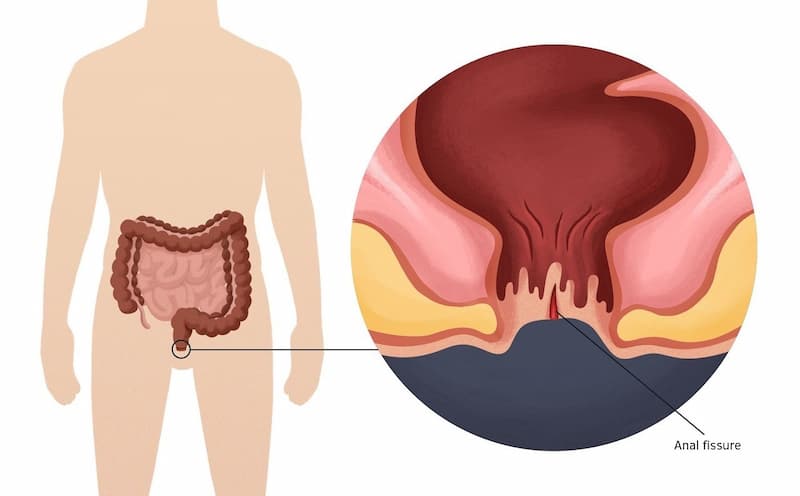
Anal fissures are another common cause of anal pain and rectal bleeding. The condition is characterized by a tear in the lining of the anal canal, resulting in pain during bowel movements and the passage of bright red blood, which may occasionally drip into the toilet bowl.
Anal fissures most commonly occur in individuals with chronic constipation who frequently strain during defecation. Excessive stretching of the anal canal can lead to mucosal tearing, causing pain, bleeding, and local swelling. If left untreated, anal fissures may progress to chronic ulcers and increase the risk of secondary infection.
Anal abscess and anal fistula
Anal abscesses and anal fistulas are important causes of anal pain, discomfort, and bleeding during bowel movements.
An anal abscess is a localized collection of pus near the anus or rectum, whereas an anal fistula is an abnormal tract connecting an infected anal gland to the skin surrounding the anus. Common symptoms include anal pain, swelling, warmth, purulent discharge, and foul smelling drainage.
Treatment of an anal abscess typically requires surgical drainage, which is considered the standard of care to control infection and prevent further complications.
Fungal infections and sexually transmitted infections
Fungal infections and sexually transmitted infections (STIs), including gonorrhea, chlamydia, herpes simplex virus infection, syphilis, and human papillomavirus (HPV) infection, may cause mild to moderate anorectal pain.
These conditions are often accompanied by additional symptoms such as anal discharge, bleeding, itching, or irritation and may occur independently of bowel movements.
Anal cancer
Although most cases of anal pain and rectal bleeding are caused by benign conditions, persistent symptoms should not be ignored. In rare cases, they may be associated with anal cancer.
Warning signs that warrant further evaluation include:
- Persistent rectal bleeding.
- Progressive anal pain.
- Unexplained weight loss.
- Fatigue.
- Changes in bowel habits.
- The presence of an abnormal anorectal mass.
Patients with persistent or worsening symptoms should seek prompt medical evaluation. If an abnormal lesion is identified, a biopsy may be required to establish a definitive diagnosis.
Chronic diarrhea
Chronic or recurrent diarrhea may also contribute to anal pain and irritation. Frequent bowel movements can repeatedly traumatize the anal mucosa, leading to inflammation, burning, and discomfort after defecation.
Managing the underlying cause of diarrhea is important to prevent ongoing injury to the anorectal region and promote symptom resolution.
How can anal pain and burning be relieved?
Maintain good perianal hygiene
Keeping the anal area clean is essential for reducing irritation and promoting healing. The area should be gently cleansed after bowel movements, preferably with warm water. Harsh soaps and cleansing products should be avoided, as they may further irritate the sensitive perianal skin.
Warm sitz baths for approximately 15 minutes several times a day may help relieve discomfort, reduce irritation, and relax the anal sphincter. After cleansing, the area should be allowed to air dry or gently patted dry with a clean towel rather than rubbed.
Use barrier creams or ointments
Protective creams or ointments may help shield irritated skin from further contact with stool and moisture. These products can reduce itching, burning, and discomfort while supporting the healing process. A physician may recommend either prescription or over the counter topical treatments, depending on the underlying condition.
Apply protective powder when appropriate
In some cases, a small amount of talcum powder or cornstarch based powder may help keep the area dry and reduce friction. However, powders should be used cautiously and only as recommended by a healthcare professional.
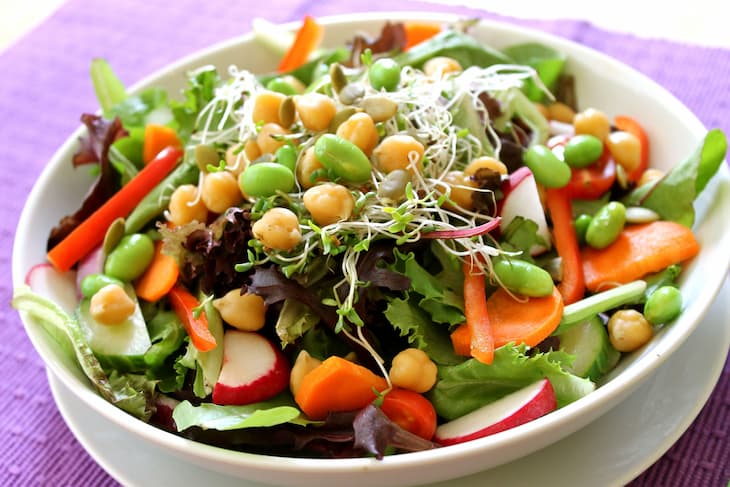
Increase fiber and fluid intake
A healthy diet plays an important role in preventing constipation and reducing strain during bowel movements. Patients are encouraged to:
- Increase their intake of vegetables, fruits, and other fiber rich foods.
- Drink adequate amounts of water, typically 2–3 liters per day, unless medically contraindicated.
- Maintain regular bowel habits to facilitate easier stool passage and minimize trauma to the anal canal.
These measures can help improve digestive health, reduce anorectal symptoms, and support recovery from underlying conditions affecting the anal region.
Keep the area dry and well ventilated
Excess moisture can further irritate the delicate skin around the anus. Wearing loose fitting clothing and breathable cotton underwear may help improve air circulation, reduce irritation, and enhance comfort.
Avoid dry toilet paper
Instead of using dry toilet paper, consider using fragrance free, alcohol free moist wipes or gently cleansing the area with water. Products containing alcohol or other drying agents may worsen irritation and discomfort.
Use topical treatments when appropriate
Certain topical agents may provide temporary symptom relief. Preparations containing witch hazel may help soothe irritation and discomfort, while hydrocortisone cream may reduce itching associated with some anorectal conditions. However, patients should consult a healthcare professional before using topical medications, particularly for prolonged periods.
Prevent reinjury during healing
Continued straining during bowel movements while hemorrhoids or anal fissures are healing can worsen symptoms and delay recovery. In some cases, repeated trauma may increase the risk of recurrent fissures or hemorrhoids. Stool softeners may be recommended to facilitate easier bowel movements and support the healing process.
Apply cold compresses
Applying a cold pack or ice pack to the affected area may help reduce pain, swelling, and inflammation, particularly in patients with symptomatic hemorrhoids.
Consider over the counter pain relief
Oral analgesics such as acetaminophen or ibuprofen may help alleviate pain and discomfort. Patients should follow the recommended dosage instructions and consult a healthcare professional if symptoms persist.
Address the underlying cause
While these measures may provide temporary relief, effective long term management depends on identifying and treating the underlying cause of anal pain and rectal bleeding. Persistent or recurrent symptoms should be evaluated by a healthcare professional to establish an accurate diagnosis and appropriate treatment plan.
Where should you seek medical care for anal pain and rectal bleeding?
Individuals experiencing anal pain and rectal bleeding should not ignore these symptoms. Prompt evaluation by a qualified specialist at a reputable healthcare facility is important to establish an accurate diagnosis and initiate appropriate treatment, particularly when symptoms are persistent, recurrent, or accompanied by significant bleeding.

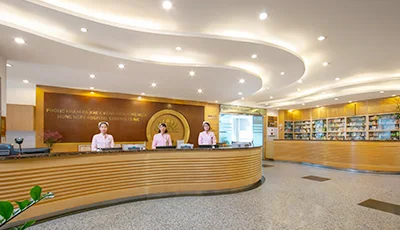
The Gastroenterology Center at Hong Ngoc General Hospital is a trusted destination for the diagnosis and treatment of digestive and anorectal disorders, offering:
- A team of highly experienced gastroenterologists and colorectal specialists, many of whom have trained and practiced at leading institutions in Vietnam, including Bach Mai Hospital, Hanoi Medical University Hospital, and Viet Duc University Hospital.
- Advanced diagnostic and imaging technologies, including the Olympus CV 190 narrow band imaging (NBI) endoscopy system (Japan), GE LOGIQ Fortis ultrasound platform, Revolution CT scanner, and Abbott laboratory diagnostic systems (United States).
- Modern inpatient facilities with spacious, comfortable rooms designed to support patient recovery.
- Dedicated nursing care available 24/7, ensuring continuous support and personalized care throughout the patient's hospital stay.
With comprehensive diagnostic capabilities and experienced multidisciplinary teams, patients can receive timely evaluation and individualized treatment for a wide range of gastrointestinal and anorectal conditions.
For personalized consultation or to schedule an appointment, please contact:
📞 Hotline: 0911 908 856
Gastroenterology Center – Hong Ngoc General Hospital
Hong Ngoc Phuc Truong Minh General Hospital8 Chau Van Liem Street, Nam Tu Liem District, Hanoi, Vietnam
Hong Ngoc General Hospital55 Yen Ninh Street, Ba Dinh District, Hanoi, Vietnam
Hong Ngoc Savico Long Bien Clinic3rd Floor, Building B, Savico Megamall, 07–09 Nguyen Van Linh Street, Long Bien District, Hanoi, Vietnam
For registration and consultation, please contact the Gastroenterology Center directly.
Note: The information provided in this article by Hong Ngoc General Hospital is intended for educational and informational purposes only and should not be considered a substitute for professional medical diagnosis, advice, or treatment. Patients should not self medicate or initiate treatment without consulting a qualified healthcare professional. To obtain an accurate diagnosis and an appropriate treatment plan, individuals should seek direct evaluation from a physician at a reputable healthcare facility.
Follow the Hong Ngoc General Hospital Fanpage for additional health information, healthcare updates, and special promotional programs.