



Gestational diabetes is a relatively common condition during pregnancy and may affect fetal health. Many expectant mothers wonder whether this condition is dangerous and what signs may indicate its presence. Let us explore these questions.
What is gestational diabetes?
Gestational diabetes is a metabolic disorder involving impaired insulin regulation that occurs during pregnancy, typically developing around the 24th week of gestation. According to medical studies, approximately 30 percent of pregnant women may experience elevated blood glucose levels during pregnancy. In most cases, the condition resolves naturally within two to three months after delivery.
The primary cause of gestational diabetes is hormonal changes during pregnancy, which disrupt the body’s normal glucose metabolism and insulin function. During pregnancy, the mother’s body naturally develops a certain degree of insulin resistance in order to provide sufficient energy for the developing fetus. However, during the second trimester, the baby’s energy demands increase significantly, which may cause insulin resistance to become excessive.
This condition can be further aggravated in pregnant women whose diets contain high amounts of sugary foods or refined carbohydrates. When blood glucose levels rise beyond the normal physiological range, gestational diabetes may develop.
Diagnostic indicators of gestational diabetes include the following:
- Fasting blood glucose level greater than 92 mg/dL
- Blood glucose level higher than 180 mg/dL one hour after eating
- Blood glucose level above 150 mg/dL two hours after eating
5 warning signs of gestational diabetes in pregnant women
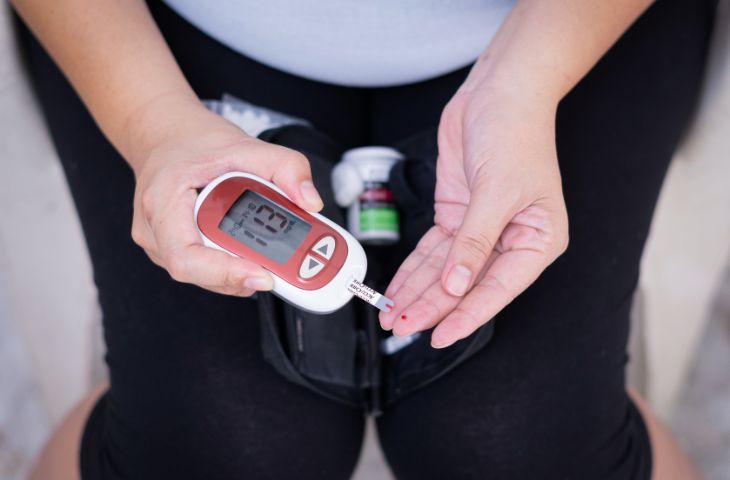
Gestational diabetes often develops silently and may not produce obvious symptoms. In addition, many of its signs can easily be mistaken for common pregnancy symptoms such as morning sickness. Below are five common warning signs that pregnant women should pay attention to:
Sign 1: Increased thirst
Similar to individuals with diabetes, pregnant women with gestational diabetes often experience excessive thirst, particularly during the night. This occurs because elevated blood glucose levels cause body cells to draw water out in order to dilute the blood and reduce the concentration of excess glucose. Over time, this loss of intracellular fluid makes the cells “thirsty,” prompting the body to signal the need for increased water intake to compensate for the fluid deficit. However, this is only a temporary compensatory response of the body.
In addition to increased thirst, pregnant women with gestational diabetes may also experience frequent urination and increased urine volume. In some cases, the urine may contain high levels of glucose, which can sometimes attract ants due to the presence of dissolved sugar.
Sign 2: Slow healing of wounds and bruises
Individuals with diabetes in general, and pregnant women with gestational diabetes in particular, may experience impaired immune function. Elevated blood glucose levels can reduce the effectiveness of white blood cells, which are responsible for producing antibodies and protecting the body against infection.
In addition, metabolic disorders related to glucose regulation may also impair blood circulation. As a result, wounds and bruises may take longer to heal, and affected individuals may face an increased risk of atherosclerosis.
If pregnant women notice that bruises or wounds heal unusually slowly, they should visit a reputable medical facility for evaluation.
Contact the hotline at 0919 645 271 or fill in the form below to schedule an obstetric consultation with experienced specialists.
Sign 3: Sudden changes in vision
Abnormally high blood glucose levels can cause the lens of the eye to swell, which may temporarily affect vision. Pregnant women may experience blurred vision or reduced visual clarity. In most cases, blurred vision occurs intermittently and lasts only for a short period. However, some women report that visual disturbances persist until after childbirth.
Blurred vision accompanied by headaches may easily be mistaken for fatigue associated with morning sickness.
Sign 4: Persistent fatigue
Most pregnant women with gestational diabetes report persistent fatigue as one of the most common symptoms. While fatigue is common during pregnancy, it may become more pronounced in women experiencing insulin resistance.
This occurs because muscle cells do not receive sufficient glucose for energy production. At the same time, cells must release water to dilute excess glucose in the bloodstream, which further contributes to reduced cellular energy levels. As a result, pregnant women may feel physically exhausted, experience weakness in the limbs, and feel sleepy more frequently.

Sign 5: Recurrent vaginal infections
Many pregnant women with gestational diabetes experience persistent vaginal infections. Some may wonder why infections occur even when they maintain good personal hygiene and do not engage in sexual activity. The main reason is a weakened immune system associated with elevated blood glucose levels. When immunity declines, beneficial bacteria in the vaginal microbiota become less effective, allowing harmful bacteria and fungi to proliferate and cause infection.
Common symptoms may include itching, burning sensations in the genital area, and abnormal vaginal discharge with an unusual odor.
Why do pregnant women develop gestational diabetes?
As mentioned above, gestational diabetes is primarily caused by hormonal changes during pregnancy and increased insulin resistance, which lead to elevated blood glucose levels. In addition to these natural physiological changes, the condition is more likely to occur in pregnant women with the following risk factors:
- Women over 35 years of age
- Overweight or obesity before pregnancy, or difficulty controlling weight gain during pregnancy
- Family history of diabetes
- Previous history of gestational diabetes in an earlier pregnancy
- History of obstetric complications, such as delivering a baby weighing more than 4 kilograms, stillbirth, or recurrent miscarriage
- Polycystic ovary syndrome (PCOS), which is associated with metabolic and hormonal imbalance and may increase the risk of gestational diabetes.
Complications of gestational diabetes
Gestational diabetes may affect both the mother and the fetus, increasing the risk of several complications.
For the mother
- Preeclampsia and gestational hypertension: Elevated blood glucose levels place additional strain on the circulatory system, forcing the heart and blood vessels to work harder. This may increase the risk of serious obstetric complications such as amniotic fluid embolism, coagulation disorders, and postpartum hemorrhage.
- Increased risk of preterm birth and spontaneous miscarriage.
- Higher susceptibility to urinary tract infections and pelvic infections due to bacterial invasion.
- Greater likelihood of developing diabetes later in life: Medical statistics indicate that approximately 12 to 17 percent of women over the age of 50 with type 2 diabetes previously experienced gestational diabetes during pregnancy.
For the baby

If the mother develops gestational diabetes, the baby may face several potential risks:
- Fetal macrosomia: Elevated maternal blood glucose levels may cause the fetus to grow excessively. Approximately 73 percent of newborns weighing more than 4 kilograms are associated with maternal diabetes. A large fetus increases the risk of difficult labor, cesarean delivery, and fetal distress.
- Preterm birth: Gestational diabetes may increase the likelihood of preterm delivery or miscarriage due to uterine contractions. In some cases, physicians may recommend early delivery because excessive fetal growth poses risks during labor.
- Respiratory distress: Infants born prematurely to mothers with gestational diabetes may develop respiratory distress syndrome, a condition characterized by breathing difficulties due to immature lung development.
- Neonatal hypoglycemia: Newborns of mothers with gestational diabetes may experience low blood glucose levels shortly after birth. Severe hypoglycemia may lead to seizures in the infant if not promptly managed.
- Higher risk of obesity and type 2 diabetes: Children born to mothers with gestational diabetes may have an increased risk of obesity and type 2 diabetes later in life.
- Stillbirth: If gestational diabetes is not properly controlled or treated, it may increase the risk of intrauterine fetal demise (stillbirth).
How is gestational diabetes treated? Does it affect the baby?
Gestational diabetes usually resolves naturally within about three to four months after delivery. However, to minimize potential complications and protect both maternal and fetal health, pregnant women should adopt appropriate management measures during pregnancy, including:
- Adopt a healthy and balanced diet: Reduce sugar intake, increase vitamins, ensure adequate protein consumption, and divide meals into smaller portions throughout the day. This is considered one of the most effective strategies for controlling blood glucose levels during pregnancy. In addition, pregnant women should monitor their daily caloric intake, keeping it below 2200 kcal per day; for those with obesity, the recommended intake is approximately 1800 kcal per day.
- Engage in light physical activity: Gentle exercise on a daily basis can help improve blood circulation and regulate blood glucose levels. Physical activity also supports better digestion and may help reduce prolonged symptoms of morning sickness.
- Medication or insulin therapy: In some cases, physicians may recommend insulin injections to manage insulin resistance and control blood glucose levels. However, this approach is typically considered only when dietary modifications and physical activity do not achieve adequate glycemic control.
In addition to the measures mentioned above, pregnant women should monitor their blood glucose levels regularly and carefully track fetal development. Close medical follow up helps detect abnormalities early and minimize potential complications for both mother and baby.
How can gestational diabetes be prevented?
Gestational diabetes cannot always be completely prevented because it is closely related to hormonal and metabolic changes during pregnancy. However, the risk can be significantly reduced through healthy dietary and lifestyle habits. Medical experts recommend that women, both before and during pregnancy, should:
- Choose healthy foods: Prioritize foods rich in dietary fiber, as well as fruits with high water content. Consuming whole grains can help reduce refined carbohydrate intake while still providing adequate nutrition.
- Engage in regular light exercise: Gentle physical activity performed consistently helps regulate metabolism and maintain healthy blood glucose levels. Women planning pregnancy should also maintain a healthy body weight and avoid excessive weight gain.
- Control weight gain during pregnancy: Limit excessive weight gain by consuming balanced, nutrient rich foods that support both maternal health and fetal development.
In addition, pregnant women should attend regular prenatal check ups and undergo recommended laboratory tests and ultrasound examinations to ensure early detection and optimal screening for potential complications.
Foods to eat and avoid with gestational diabetes
Recommended foods for pregnant women with gestational diabetes
Pregnant women should prioritize a balanced diet that includes the following beneficial foods:
- Lean meats, tofu, yogurt, and low fat or non fat milk without added sugar
- Legumes, beans, brown rice, low sugar fruits, and a variety of vegetables
- Small, frequent meals throughout the day (three main meals and one to two snacks) to help prevent sharp spikes in blood glucose after eating and avoid low blood sugar before meals.
A balanced and well structured diet is the most effective way to prevent and reduce complications of gestational diabetes.

Pregnant women with gestational diabetes should limit or avoid the following foods:
- Foods that rapidly increase blood glucose levels, such as candies, sweets, ice cream, sweet desserts, and overly sweet fruits
- Excessively salty foods, as well as processed and canned products
- Fried or greasy foods and foods high in saturated fat
- Sugary beverages, carbonated drinks, and stimulant containing drinks
Note: The information provided in articles published by Hong Ngoc General Hospital is for reference purposes only and does not replace professional medical diagnosis or treatment. Patients should not self medicate. For an accurate diagnosis and appropriate treatment plan, individuals should visit a medical facility for direct examination and consultation with a qualified physician.
Follow the official fanpage of Hong Ngoc General Hospital for more useful health information:https://www.facebook.com/BenhvienHongNgoc