



Summer, with prolonged periods of high temperatures, is a time when many medical conditions tend to increase, including ear, nose, and throat disorders, cardiovascular diseases, and urinary stones. Hot weather makes the body more prone to dehydration and causes urine to become more concentrated, thereby increasing the risk of stone formation and recurrence. Therefore, urology specialists advise people with a history of kidney stones, ureteral stones, or those in high-risk groups to pay closer attention to their health and take proactive preventive measures during this period.
Why can urinary stones increase in size more easily during hot weather?
Urinary stones form when minerals such as calcium, oxalate, or uric acid in the urine precipitate and crystallize into solid masses.
During hot weather, the body produces more sweat to regulate body temperature. If fluid intake is insufficient, urine volume decreases and the urine becomes more concentrated. This increases the concentration of minerals in the urine, creating favorable conditions for stones to form or grow more rapidly.
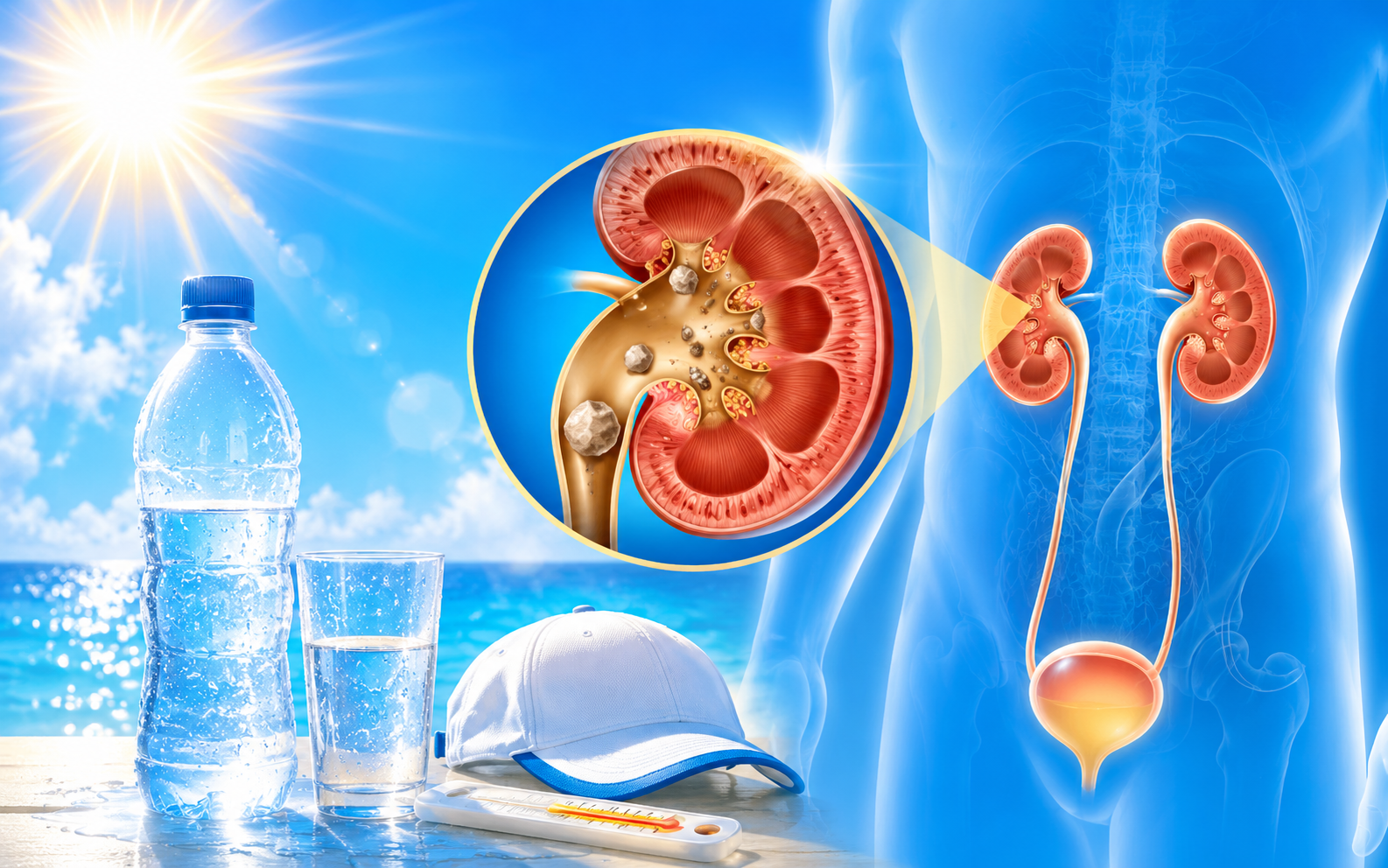
In addition to dehydration, several common habits during the summer may also increase the risk of urinary stones, including:
- Drinking too little water while consuming large amounts of soft drinks, beer, or alcohol
- Eating a high-salt diet or consuming excessive animal protein
- Frequently engaging in outdoor activities without adequate fluid replacement
- Holding urine for prolonged periods
In particular, for people with a history of urinary stones, hot weather is a period when the risk of recurrence or stone enlargement may be higher than usual.
What serious complications can urinary stones cause?
If urinary stones are not detected and treated appropriately, they may not only cause prolonged pain but also lead to several serious complications that directly affect kidney function and overall health.
- Severe renal colic: Severe pain often occurs in the flank region and may radiate to the lower abdomen or external genitalia, accompanied by nausea and profuse sweating.

- Hydronephrosis and dilation of the renal calyces and pelvis: When urine flow is obstructed by a stone and cannot drain into the bladder, urine may accumulate in the kidney. Over time, this can cause dilation of the renal calyces and pelvis.
- Urinary tract infection: Urinary stasis creates favorable conditions for bacteria to grow within the urinary tract. Symptoms may include painful urination, frequent urination, cloudy urine, fever, or chills. If not treated early, the infection can ascend to the kidneys and cause potentially dangerous pyelonephritis.
- Decline in kidney function: Prolonged obstruction or recurrent infections can gradually impair the kidney’s filtering function.
Five key measures to prevent and manage urinary stones during hot weather
Drink enough water every day
When the body is adequately hydrated, the urine becomes more diluted, thereby reducing the risk of mineral deposition and crystallization that can lead to stone formation.
Adults should drink approximately 2–2.5 liters of fluids per day, including plain water as well as fluids from soups, vegetables, and water-rich fruits. For people who frequently work or exercise outdoors or sweat heavily, fluid requirements may be higher.
A simple sign that the body is adequately hydrated is pale-yellow urine, which is an ideal condition for dissolving and eliminating mineral crystals effectively.
Do not hold urine for prolonged periods
When urine remains in the bladder or urinary tract for too long, mineral sediments are more likely to deposit and crystallize into stones. At the same time, urinary stasis also creates favorable conditions for bacterial growth.
Patients should maintain the habit of urinating regularly, especially after drinking plenty of water or engaging in outdoor activities in hot weather.
Adjust diet and physical activity appropriately
To effectively control the condition, patients should follow an appropriate diet:
- reduce daily salt intake;
- limit red meat and animal organ meats;
- increase intake of green vegetables and fresh fruits;
- add citrus fruits such as oranges, lemons, and grapefruits, which contain citrate and may help inhibit stone crystallization.
In addition, maintaining gentle physical activity such as walking, yoga, or swimming can help improve metabolism and support urinary tract health.
However, when exercising in hot weather, it is important to drink enough water before, during, and after physical activity to prevent prolonged dehydration.
Seek periodic medical evaluation when abnormal signs appear
Many cases of urinary stones progress silently and are only detected after complications have developed.
Therefore, if symptoms such as lower back or flank pain, painful urination, frequent urination, blood in the urine, nausea, fever, or intermittent colicky pain occur, patients should visit a specialized medical facility for early evaluation.
Currently, imaging methods such as ultrasound, X-ray, or CT scan can help detect stones early, assess their size and location, and determine the degree of impact on the urinary tract, thereby supporting physicians in recommending the most effective treatment approach.
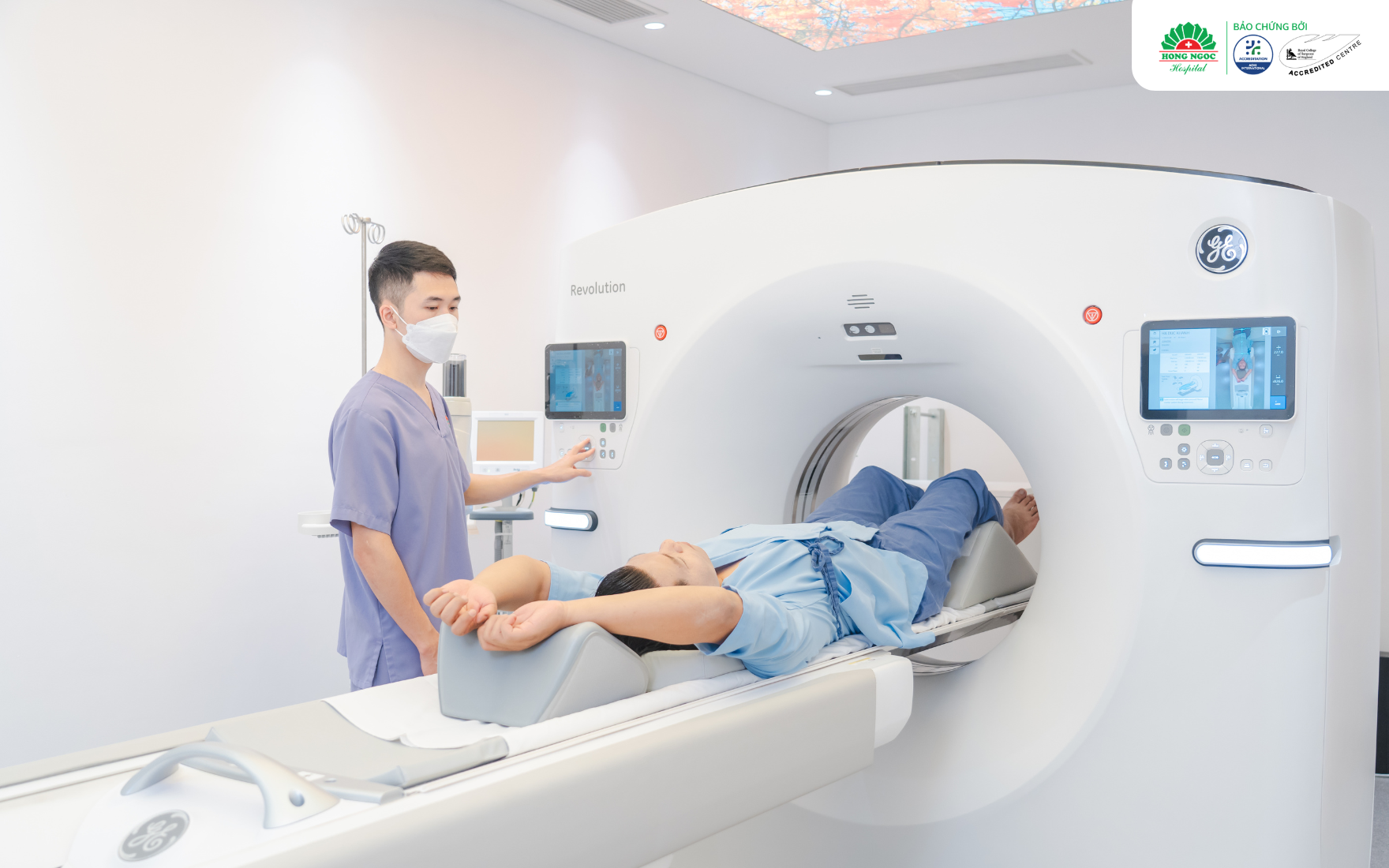
Treatment with an appropriate lithotripsy method
Dr. Nghiem Dinh Luong, MSc, MD, from the Andrology and Urologic Surgery Unit at Hong Ngoc General Hospital, said: “Depending on the size, location, and complexity of the stone, physicians will recommend an appropriate treatment method to optimize effectiveness and minimize invasiveness. Selecting the right treatment approach from the outset not only helps control the disease effectively but also contributes to preserving long-term kidney function.”
Hong Ngoc General Hospital currently applies a full range of modern lithotripsy techniques for the treatment of kidney stones, including:
- Extracorporeal shock wave lithotripsy: A cost-effective option that is effective for kidney stones smaller than 1.5 cm or upper-third ureteral stones smaller than 1 cm.
- Rigid ureteroscopic laser lithotripsy: Suitable for stones in the middle and lower thirds of the ureter, as well as bladder stones that cannot pass spontaneously through the urinary tract.
- Flexible ureteroscopic laser lithotripsy: Used for stones located in the upper third of the ureter or kidney stones in difficult-to-access locations within the renal pelvis.
- Percutaneous laser lithotripsy: Effective for large kidney stones.

These techniques help treat stones effectively, minimize pain, reduce the risk of bleeding, and shorten recovery time for patients.
In summary, hot weather, together with dehydration and unhealthy dietary and lifestyle habits, are key factors that increase the risk of urinary stone formation and progression. To reduce the risk of serious kidney-related complications, individuals should proactively maintain adequate fluid intake, follow a balanced diet, and monitor early warning signs. If symptoms such as back pain, painful urination, or blood in the urine occur, patients should visit a reputable medical facility for timely examination and treatment, helping prevent long-term effects on urinary system function.