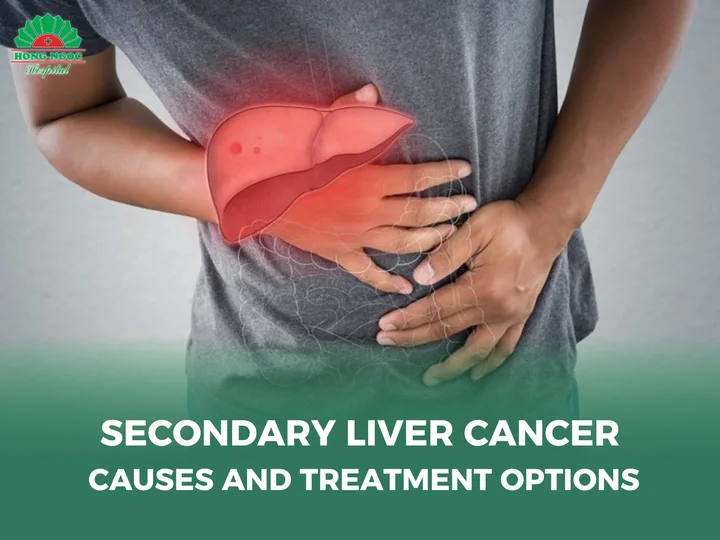




Liver cancer is the third most common malignancy in Vietnam. Although curative treatment remains limited, early detection plays a critical role in prolonging patient survival. Below are 10 warning signs of liver cancer that should not be overlooked for timely screening and diagnosis.
Jaundice
Jaundice, characterized by yellowing of the skin and sclera, is a clinical manifestation of impaired liver function and may represent an early sign of liver cancer. This condition results from the accumulation of bilirubin due to hepatic dysfunction. Patients presenting with these symptoms should seek prompt medical evaluation to determine the underlying cause.

Unexplained weight loss
The liver plays a central role in metabolism and digestion. When hepatic function is impaired, metabolic processes are disrupted, leading to unintended weight loss. As liver cancer progresses, weight loss may become more pronounced, with patients potentially losing up to 5% of their body weight within 1–3 months.
Therefore, unexplained weight loss despite maintaining a normal diet should raise clinical suspicion and warrants prompt medical evaluation.
Fatigue and loss of appetite
Fatigue is a common symptom in daily life and may improve with adequate rest and recovery. However, in liver cancer, fatigue is often persistent and progressively worsens over time. This condition is primarily attributed to hepatocellular damage and impaired liver function, leading to metabolic disturbances.

Dark-colored urine
Elevated bilirubin levels in the blood can cause urine to darken, ranging from deep yellow to brown. If this change occurs without the use of medications, it should be closely monitored and evaluated promptly. This may indicate a urinary tract disorder or, more seriously, an early sign of liver cancer.
Abdominal pain and distension
In the early stages, malignant cells may cause hepatic inflammation and enlargement, leading to mild abdominal discomfort and distension, particularly in the right upper quadrant. As the tumor progresses, both pain and swelling may become more pronounced.
This is a significant warning sign of liver cancer, and patients are advised to seek medical evaluation for accurate diagnosis and timely management.
Right shoulder pain
Irritation of the right hemidiaphragm may lead to referred pain in the right shoulder. This can be associated with conditions such as subphrenic infection, inflammation, abscess, trauma, or hepatic tumors. In liver cancer, tumor growth may exert pressure on the diaphragm, resulting in right shoulder pain.
To determine whether this symptom is related to liver cancer, patients should seek medical evaluation for appropriate examination and diagnosis.
Epigastric pain
In liver cancer, patients may experience pain in the epigastric region, located above the umbilicus and below the sternum. This pain is often nonspecific, ranging from dull, persistent discomfort to severe pain, and may occasionally radiate to the back.

Epigastric pain may also be associated with common conditions such as digestive disorders. However, accurate diagnosis requires early medical evaluation.
Acne and skin changes
Impaired liver detoxification in the presence of liver cancer may lead to accumulation of toxins in the body, contributing to increased acne and skin eruptions. In some cases, this may also be associated with hormonal imbalance.
However, this sign is often overlooked, as acne is commonly attributed to hormonal changes. Persistent or unusual acne in adulthood should be evaluated to rule out underlying liver dysfunction or potential malignancy.
Pruritus (itchy skin)Patients with chronic liver disease, cirrhosis, biliary obstruction, or cholestasis may experience generalized pruritus due to the accumulation of bile acids in the bloodstream. Although often overlooked, pruritus can, in some cases, be a clinical manifestation of liver cancer associated with impaired hepatic function.

In most cases, pruritus is not a serious condition. However, localized itching that progressively spreads and persists over a prolonged period may indicate underlying liver damage.
Flu-like symptoms
Some patients with liver cancer may present with nonspecific, flu-like symptoms such as fever, muscle weakness, fatigue, headache, chills, and excessive sweating.
Liver cancer remains one of the leading causes of cancer-related mortality, largely due to late-stage diagnosis. Although early symptoms are often subtle, individuals exhibiting the above signs should consider early liver cancer screening. The presence of multiple overlapping symptoms warrants prompt medical evaluation for definitive diagnosis.
Recognizing the importance of early detection, Hong Ngoc Hospital offers comprehensive liver cancer screening packages designed to assess overall health and identify abnormalities, particularly malignancies, at an early stage.
Where to undergo fast and accurate liver cancer screening?
The liver cancer screening package at Hong Ngoc Hospital is developed based on expert consultation from highly experienced physicians, incorporating a comprehensive range of essential clinical examinations and diagnostic tests.
With the comprehensive screening program, clients undergo internal medicine consultation, abdominal ultrasound, complete blood count, hepatobiliary–pancreatic CT imaging, and lipid profile assessment (including cholesterol, triglycerides, LDL-C, and HDL-C).
For many years, Hong Ngoc General Hospital has been a trusted destination for liver cancer screening, recognized for its efficiency, accuracy, and high-quality medical services, supported by several key advantages:
- Highly qualified and experienced gastroenterology specialists, including: Dr. Dang Thi Kim Oanh, MD, PhD, Specialist Level II – a leading hepatobiliary expert with over 40 years of experience at Bach Mai Hospital; MSc. Le Thi Van Anh, MD – with more than 30 years of experience at the Gastroenterology and Hepatology Center, Bach Mai Hospital; along with many physicians trained extensively in Japan and South Korea.
- Advanced medical equipment enabling early detection even before symptom onset, and accurate assessment of disease severity: LOGIQ Fortis high-end ultrasound system with elastography (GE Healthcare, USA), Revolution EVO CT scanner and Signa Prime MRI system (first in Vietnam), Abbott laboratory system (USA), and Olympus CV-190 NBI endoscopy system (Japan).
- Extensive experience in liver cancer management using advanced techniques such as transarterial chemoembolization (TACE).
- Streamlined insurance procedures, minimizing waiting time and optimizing treatment costs.
- Dedicated and professional healthcare staff providing step-by-step patient support.
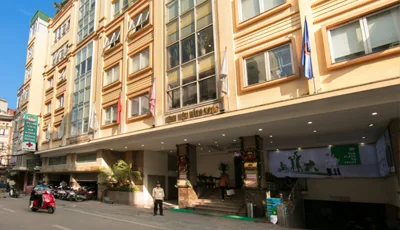
- Clean, spacious hospital environment with comfortable seating, hotel-standard amenities, and complimentary buffet services after examination.
If you experience any of the above symptoms, please visit Hong Ngoc General Hospital or the nearest healthcare facility for timely evaluation and appropriate management.
Schedule your liver examination and treatment with leading hepatobiliary specialists here.
Note: The information provided in this article by Hong Ngoc General Hospital is for reference purposes only and does not replace professional medical diagnosis or treatment. Patients should not self-medicate. For an accurate diagnosis and appropriate treatment plan, please consult a qualified physician at a medical facility.
Gastroenterology Center – Hong Ngoc General Hospital
- Hong Ngoc – Phuc Truong Minh General Hospital: No. 8 Chau Van Liem, Nam Tu Liem, Hanoi
- Hong Ngoc General Hospital: 55 Yen Ninh, Ba Dinh, Hanoi
- Hong Ngoc Tasco Long Bien Clinic: 3rd Floor, Building B, Tasco Megamall, 07–09 Nguyen Van Linh, Long Bien, Hanoi
Hotline: 0911 908 856 – 0932 232 016Email: trungtamtieuhoa@hongngochospital.vn
Stay updated with useful health information and promotional programs at:https://www.facebook.com/trungtamtieuhoaBVHongNgoc