


Thyroid cancer accounts for approximately 90% of all endocrine malignancies. Nutrition plays an important role in supporting treatment; therefore, what thyroid cancer patients should avoid and what they should eat will be addressed in the article below.
Overview of thyroid cancer
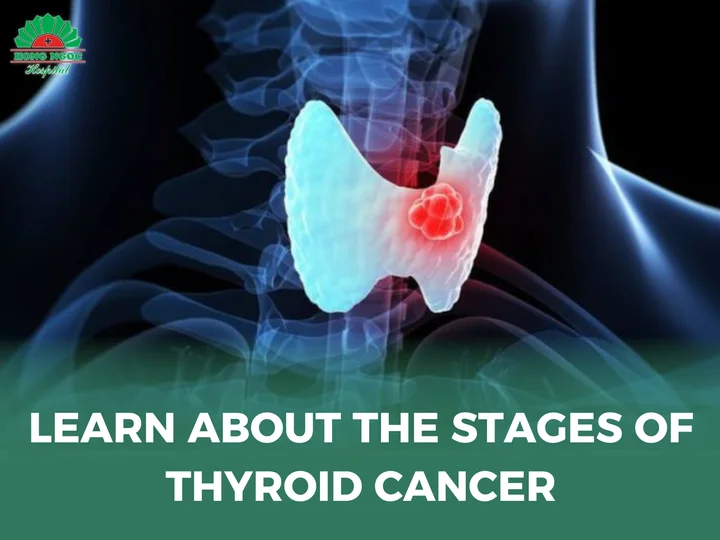
The thyroid is an endocrine gland located in the neck. It produces thyroid hormones, including thyroxine (T4) and triiodothyronine (T3), which help regulate the body’s metabolic processes.
Thyroid cancer occurs when malignant thyroid cells develop and form a nodule within the thyroid parenchyma.
Risk factors for thyroid cancer include genetic predisposition, exposure to X-rays, or a history of treatment with large amounts of iodine, particularly in disadvantaged areas where iodine deficiency is common.
The main symptoms of thyroid cancer include a lump in the neck, difficulty swallowing, shortness of breath, changes in voice, and symptoms associated with increased thyroid hormone levels, such as anxiety, unexplained fear, weight loss, palpitations, hand tremors, excessive sweating, and insomnia.

However, in the early stages of the disease, symptoms are often subtle or absent, making it difficult for patients to recognize the condition. Most patients diagnosed at an early stage are identified during routine health check-ups, when neck ultrasound and other diagnostic imaging techniques incidentally detect abnormal nodules in the thyroid gland.
Up to 90% of patients with thyroid cancer have a favorable prognosis if the disease is treated early with an individualized treatment regimen. However, without timely diagnosis, thyroid cancer may spread through the bloodstream to distant organs such as the liver and lungs.
The role of nutrition in patients with thyroid cancer
According to Dr. Ha Luong Yen, MSc, Department of Endocrinology, Hong Ngoc General Hospital, patients with thyroid cancer are often at risk of malnutrition due to changes in thyroid hormone levels, which can affect the body’s metabolism and energy conversion, or as a result of the treatment itself.
This may lead to reduced nutrient absorption and impaired nutrient assimilation, adversely affecting patients’ quality of life and treatment outcomes.
The European Society for Clinical Nutrition and Metabolism (ESPEN) has warned that malnutrition may progress to cachexia, a severe cancer-related syndrome that causes a marked decline in multiple body functions, including body weight, musculoskeletal function, and respiratory function.
Patients with thyroid cancer should receive nutritional counseling and have an appropriate dietary plan developed from the time of diagnosis. Nutritional intervention can help improve nutritional parameters and body composition. It may also help alleviate or counteract certain symptoms caused by the cancer itself or by cancer treatment.

What should thyroid cancer patients avoid eating?
Restrictive diets are not recommended for patients with thyroid cancer due to concerns about malnutrition. However, certain foods may adversely affect thyroid function and negatively influence the treatment process.
So, what should thyroid cancer patients avoid eating to protect their health?
Foods containing iodine
Iodine is an essential mineral involved in the production of thyroid hormones. However, in patients with thyroid cancer, controlling iodine intake is particularly important. Therefore, thyroid cancer patients should limit iodine-rich foods such as tuna, lobster, scallops, seaweed, algae, and iodized salt.
In cases where iodine supplementation is recommended, patients should strictly follow their doctor’s instructions, including the prescribed dosage. Inappropriate iodine supplementation may disrupt thyroid function.
Foods containing glucosinolates
Glucosinolates are naturally occurring compounds found in many vegetables and fruits and may adversely affect thyroid function. Therefore, thyroid cancer patients should limit their intake of cruciferous vegetables such as spinach, Chinese cabbage, kale, and broccoli.
Foods and beverages containing stimulants
Foods and beverages containing stimulants such as caffeine, theophylline, and theobromine may increase thyroid activity. Therefore, patients with thyroid cancer should avoid carbonated drinks, alcoholic beverages, and other foods or beverages containing these substances.
What should thyroid cancer patients eat?
In addition to foods that should be limited, many patients are also concerned about what they should eat after being diagnosed with thyroid cancer.
Treatment for thyroid cancer may cause fatigue and loss of appetite. Patients should therefore include certain nutrient-rich foods in their diet to help improve overall health, strengthen immune function, and support the treatment process.
Increase intake of fiber-rich foods
Fiber helps support digestive function and may help reduce the absorption of thyroid hormones. Therefore, patients with thyroid cancer are advised to increase their intake of fiber-rich foods, such as green vegetables, fruits, and whole grains.

Increase intake of selenium-rich foods
Selenium is an essential mineral that helps protect the thyroid gland from damage and supports its normal function. Therefore, patients with thyroid cancer are advised to increase their intake of selenium-rich foods such as salmon and chicken.
Oral nutritional supplementation
In cases where patients are unable to meet their nutritional requirements through diet alone, oral nutritional supplementation may be considered.
This approach helps provide patients with additional calories and essential nutrients in a standardized manner, tailored to their individual needs and physical condition.
It should be noted that oral nutritional supplementation must be accompanied by specific guidance from a clinical nutritionist or an oncologist.
In summary, this article has provided information to help answer the question of what patients with thyroid cancer should avoid and what they should eat. Dietary adjustment plays an important role in the treatment process and in supporting health recovery.
However, the foremost priority for patients is to strictly follow their doctor’s treatment recommendations. In addition, patients should maintain a positive mindset, stay optimistic, and place their trust in treatment at reputable endocrinology healthcare facilities.
To better understand your health status, you should visit a trusted medical facility for examination and professional consultation with endocrinologists. Contact us to schedule an appointment with our Endocrinology and Thyroid specialists HERE.
Contact information:
DEPARTMENT OF ENDOCRINOLOGY - HONG NGOC HOSPITAL
Address: No. 8 Chau Van Liem Street, Nam Tu Liem District, Hanoi
Hotline: 0911 858 626
Note: The information provided in this article by Hong Ngoc General Hospital is for reference purposes only and is not a substitute for medical diagnosis or treatment. To obtain an accurate assessment of their condition, patients should visit a reputable medical facility for direct examination and consultation with a doctor regarding an effective treatment plan.
Follow the official fanpage of Hong Ngoc General Hospital for more useful information.