


Warning signs during pregnancy, if not managed promptly, may affect the health and even threaten the lives of both the pregnant woman and the fetus. Do not ignore these symptoms. Seek medical help immediately if any of the following signs appear.
Vaginal bleeding, fever, generalized body aches, and chills
During pregnancy, the cervix becomes highly sensitive, and mild blood tinged vaginal discharge may sometimes occur in early or late pregnancy, such as implantation bleeding or prelabor bleeding. However, if a pregnant woman notices abnormal signs during pregnancy, including persistent vaginal bleeding accompanied by fever, generalized body aches, or chills, she should go to the hospital immediately for evaluation.
These may be symptoms of serious gynecological conditions or even warning signs of threatened miscarriage or miscarriage.
Headache, faintness, and dizziness during pregnancy
Headache, dizziness, and faintness in early pregnancy may be caused by morning sickness or blood pressure-related conditions.
However, if a pregnant woman experiences dizziness, blurred vision, severe headache, or frequent fainting, even during the second trimester, these may be abnormal signs during pregnancy, such as symptoms of dehydration or threatened miscarriage.
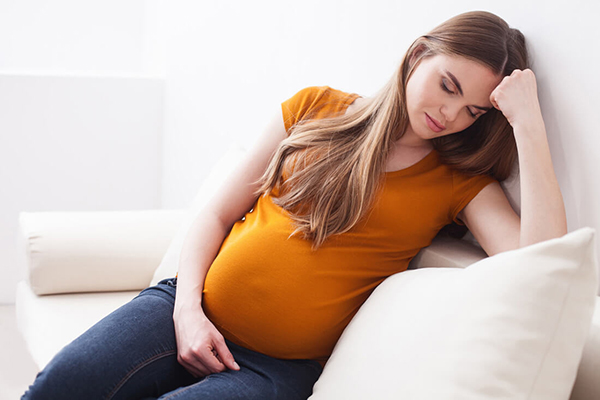
In this case, pregnant women should:
- Drink some warm water and sit still. They should avoid moving around too much and should lie on their left side.
- Call a doctor and seek timely medical examination.
Register for the maternity care package via hotline at 0919 645 271 or fill out the form below.
Frequent painful urination and burning sensation during pregnancy
Although frequent urination is a common symptom during pregnancy, as the growing fetus moves downward and compresses the bladder, pregnant women should be alert if they experience painful urination or a burning sensation in the bladder or urethra. These may be signs of a urinary tract infection.
If not treated promptly, this abnormal sign during pregnancy may lead to more serious complications affecting the kidneys, and may even increase the risk of preterm birth or low birth weight.
To help prevent this condition, pregnant women should:
- Drink enough water every day. This is not only beneficial for the urinary system but also important for maternal health during pregnancy.
- Maintain proper intimate hygiene.
- Wear soft, clean cotton underwear.
Severe pelvic pain
Pregnancy places increased pressure on the pelvic region and may cause mild pain in the later stages of pregnancy. However, if a pregnant woman experiences severe, persistent pelvic pain accompanied by fever, this is an abnormal sign during pregnancy and may indicate an infection or pelvic inflammatory condition.
Pregnant women should:
- Try to drink plenty of water.
- Call a doctor immediately for timely examination and treatment.
Vomiting accompanied by fever or pain
Nausea may be an abnormal sign during pregnancy. Pregnant women may normally experience dry heaving in the morning due to morning sickness. However, if vomiting occurs more than once a day and is accompanied by fever or pain, the patient should see a doctor, as this may be a sign of a gastrointestinal disorder or even acute pancreatitis during pregnancy.
Prolonged vomiting during pregnancy may make it difficult for the mother to tolerate food, leading to severe nutritional deficiency for both the mother and the baby.

Chills or fever above 39°C: An abnormal sign during pregnancy
High fever is an abnormal sign during pregnancy and may indicate an underlying infection in the pregnant woman. High fever or flu-like illness during pregnancy can pose risks to both the mother and the fetus. In addition, if a pregnant woman develops influenza during pregnancy, the influenza virus may affect the fetus and increase the risk of birth defects.
Abnormal vaginal discharge
One of the easily noticeable abnormal signs during pregnancy is blood tinged vaginal discharge. Normally, vaginal discharge during pregnancy is mucus like and clear, similar to egg white. However, if the discharge becomes thick, occurs in excessive amounts, or is accompanied by contractions before the 37th week of pregnancy, the patient should call a doctor immediately.
This is often a warning sign of preterm labor.
Sudden swelling of the hands, feet, or face
Toward the end of pregnancy, the mother’s hands, feet, or face may become mildly swollen due to weight gain or fluid retention. However, this usually develops gradually and does not significantly affect daily activities.
If, during the second or third trimester, the mother’s hands or face suddenly become noticeably swollen, this may indicate that the body is retaining more fluid than normal.
This may be one of the warning signs of preeclampsia, a serious pregnancy complication that can affect both the mother and the baby.
Reduced fetal movement: A warning sign during pregnancy that requires immediate medical attention
Most doctors recommend that mothers monitor fetal development several times a day by checking fetal movements. The baby should make at least 10 movements within 10 minutes. From the 32nd week of pregnancy, all fetal senses are fully developed, and the baby can perceive the mother’s movements.
If the mother does not feel any fetal movement, she should drink a glass of fruit juice, as natural sugar may stimulate the baby to move, then lie on her left side in a quiet room for about 30 minutes.
If, after trying a second time, the mother still does not feel any fetal movement, she should go to the hospital immediately, as this may be an abnormal sign during pregnancy indicating a possible fetal problem.
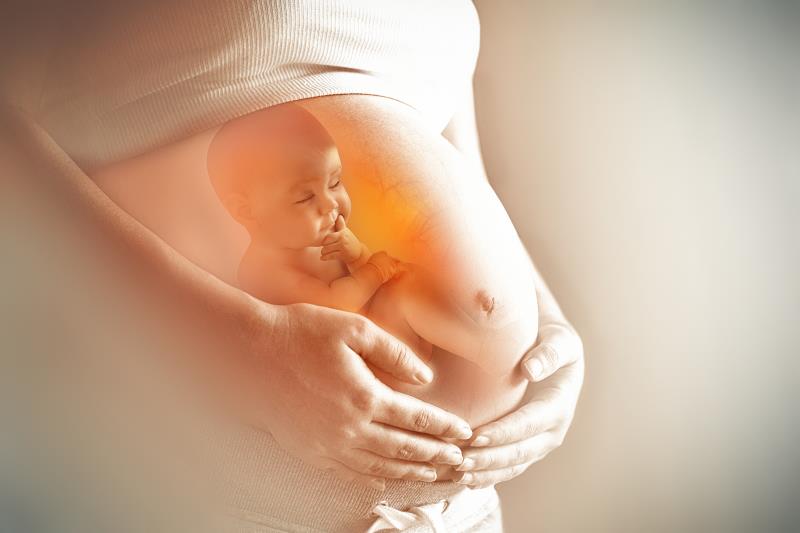
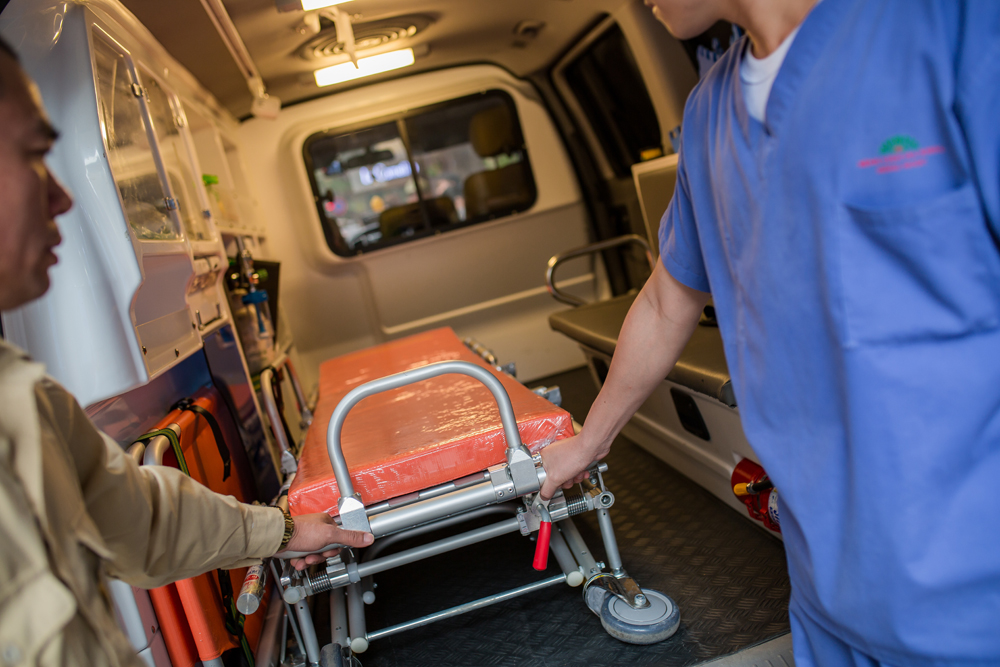
Abnormal signs during pregnancy that require immediate emergency care
Abnormal signs during pregnancy that require urgent medical attention include:
- Miscarriage, or pregnancy loss before 20 weeks: Once a miscarriage has begun, it cannot be stopped. The mother may need treatment for infection or removal of retained tissue to prevent infection.
- Ectopic pregnancy: An ectopic pregnancy, in which the embryo implants in the fallopian tube instead of the uterus, is an extremely dangerous abnormal condition during pregnancy. If not detected promptly, it may cause fallopian tube rupture and severe bleeding, and may reduce or eliminate the mother’s ability to become pregnant in the future. Therefore, women should have an early prenatal checkup as soon as pregnancy is confirmed so that ectopic pregnancy, if present, can be managed in time.
- Placental abruption: This is a condition in which the placenta separates from the uterus before birth, causing severe bleeding and potentially affecting fetal development. The mother requires urgent medical care and timely support.
- Preeclampsia: High blood pressure during pregnancy may cause edema or swelling due to fluid retention. It can lead to kidney and liver failure and may progress to eclampsia, a life threatening condition for both the mother and the baby.
- Premature rupture of membranes: The mother may experience contractions or go into labor before 37 weeks of pregnancy, leading to leakage of amniotic fluid or infection of the amniotic sac. This condition requires immediate emergency care and management by an experienced obstetric team.
Emergency situations during labor
During labor, before delivery, the mother may experience the following situations that require immediate emergency care:
- Shoulder dystocia: This occurs when the baby’s head is delivered but the shoulders become stuck, making delivery difficult. It may lead to oxygen deprivation and can be life threatening.
- Nuchal cord: This is a condition in which the umbilical cord is wrapped tightly or in multiple loops around the baby’s neck before birth, preventing the baby from receiving enough oxygen. As a result, the baby may suffer brain injury or even death.
- Retained placenta: If the placenta does not separate or does not separate completely after delivery, possibly because it is deeply attached to the uterine wall, it may lead to dangerous complications for the mother.
- Uterine rupture: Uterine rupture is uncommon but is a serious abnormal condition during pregnancy that must not be ignored. It can occur in late pregnancy or during labor. Uterine rupture most often occurs along a previous surgical scar on the uterus, or may be associated with congenital uterine abnormalities, trauma, or previous uterine surgery. Mothers in high risk groups should be closely monitored by doctors in late pregnancy and during labor so that complications can be managed promptly.
- Amniotic fluid embolism: This is a condition in which fetal epithelial cells or fetal materials, such as vernix or hair, enter the mother’s circulatory system, causing respiratory failure, circulatory collapse, and potentially life threatening complications. Although rare, this condition may occur in cases of ruptured membranes, rupture of uterine veins, or cervical injury.
Advice for a healthy and safe pregnancy
To ensure a healthy and safe pregnancy until both mother and baby are well, pregnant women should:
- Attend regular prenatal checkups according to the doctor’s schedule.
- Maintain a healthy diet and lifestyle during pregnancy.
- Pay attention to bodily changes and monitor fetal movements daily to detect abnormalities promptly.
- Visit reputable medical facilities for examination when any abnormal signs during pregnancy are detected.
- Mothers with pre existing risk factors should consult an experienced obstetrician to prepare for and respond promptly to any potential emergency.
Note: The information provided in this article by Hong Ngoc General Hospital is for reference purposes only and is not intended to replace professional medical diagnosis or treatment. Patients should not purchase or use medications on their own for treatment. To accurately determine their medical condition, patients should visit a hospital for direct examination, diagnosis, and consultation with a physician on an appropriate treatment plan.
Follow the Facebook fanpage of Hong Ngoc General Hospital for more useful information:https://www.facebook.com/BenhvienHongNgoc