


Hong Ngoc General Hospital is a trusted destination for neurological care for international patients in Hanoi, with an experienced team of specialists, modern diagnostic systems and international-standard patient support services.
Patients receive comprehensive assistance throughout their care journey, from appointment booking, interpretation and international insurance support to post-treatment follow-up, helping reduce common barriers when seeking medical care in Vietnam.
Neurological conditions such as stroke, Parkinson’s disease, epilepsy, chronic headache, dementia, and other neurological disorders can seriously affect health and quality of life if they are not detected and treated promptly. Choosing a healthcare facility with in-depth clinical expertise, modern diagnostic systems, and long-term follow-up capacity plays an important role in treatment outcomes.
For international patients living, working, or traveling in Vietnam, in addition to clinical expertise, language support, international insurance assistance, and a convenient examination process are also key considerations. At Hong Ngoc General Hospital, international patients have access to comprehensive medical neurology services, from diagnosis and treatment to long-term disease management.
Why international patients choose Hong Ngoc General Hospital for neurological care
Treatment of neurological disorders requires not only physicians with in-depth expertise, but also the support of advanced diagnostic systems, appropriate treatment protocols, and multidisciplinary coordination when needed. With a strategic focus on developing international healthcare services, Hong Ngoc General Hospital has established a medical neurology care model that meets the needs of both Vietnamese and international patients.
An experienced team of doctors
The department brings together a team of doctors with strong academic and specialist qualifications, including PhD-trained physicians, Level II Specialist Doctors, Level I Specialist Doctors, and resident doctors. With decades of clinical experience and previous positions at national tertiary hospitals, the team is capable of treating a wide spectrum of neurological conditions, from emergency cases to chronic disorders.
Modern diagnostic systems
The department is comprehensively equipped with advanced medical technologies for the diagnosis and monitoring of neurological disorders, including a 1.5 Tesla SIGNA Creator MRI system, a modern 2,560-slice CT scanner, electroencephalography, electrocardiography, ultrasound, cerebral hemodynamic monitoring, an automated GLP Abbott laboratory testing system from the United States, a polysomnography system from the United States, and transcranial magnetic stimulation (TMS), among others.
The combination of advanced technology and clinical experience enables doctors to accurately assess each patient’s condition and select an appropriate treatment approach tailored to the individual patient.
Personalized treatment protocols
Each patient receives an individualized treatment protocol based on their diagnosis, overall health status, underlying medical conditions, and risk of complications. Depending on the specific case, doctors may combine medical treatment, rehabilitation, lifestyle modification, and long-term follow-up to optimize treatment effectiveness and reduce the risk of recurrence.
Multidisciplinary coordination
For complex cases, neurologists coordinate with other specialties such as Cardiology, Diagnostic Imaging, Intensive Care, Endocrinology, and Rehabilitation to develop a comprehensive and continuous treatment plan.
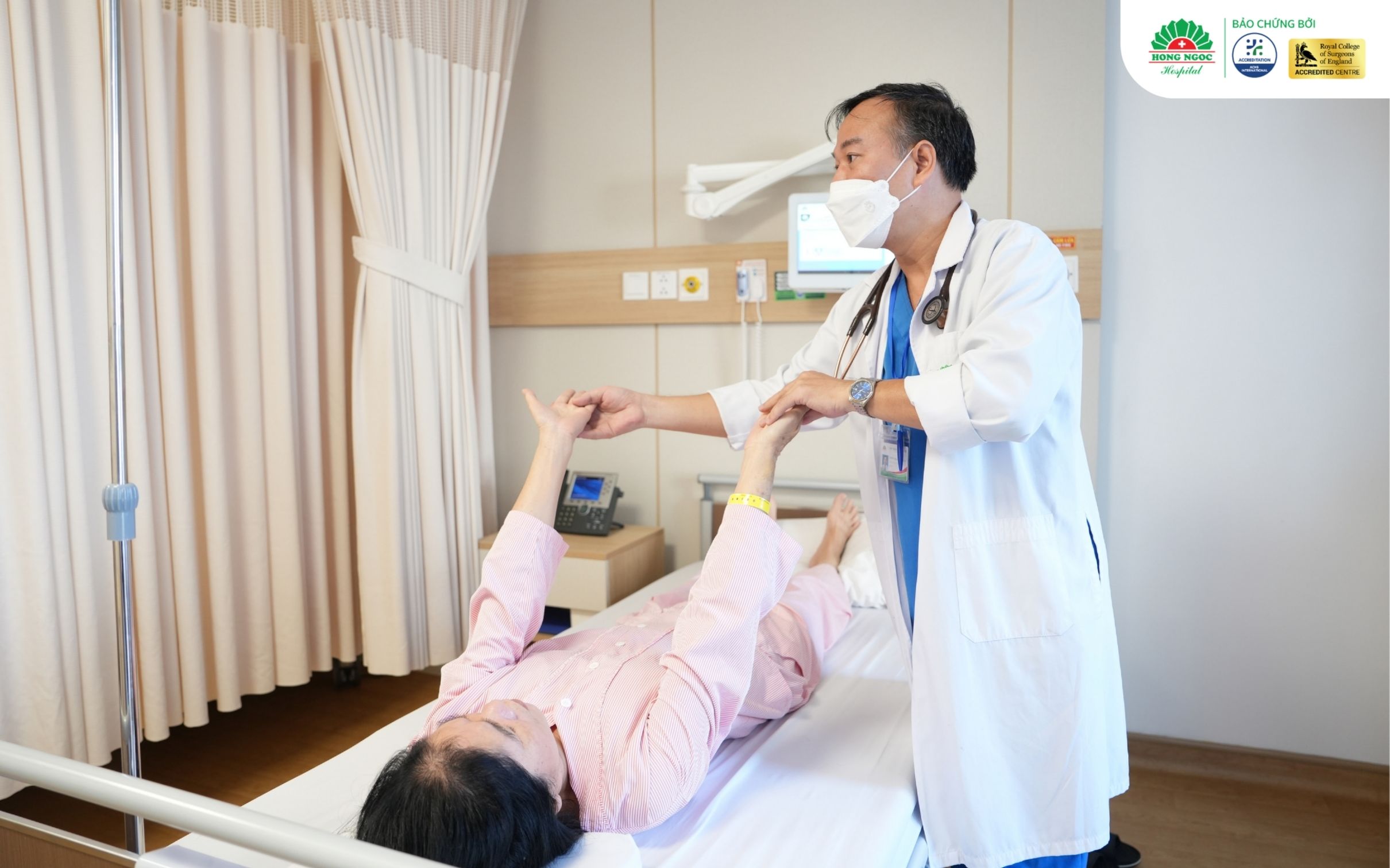
Which neurological conditions are treated for international patients at Hong Ngoc General Hospital?
The Medical Neurology Department receives and treats a wide range of neurological conditions, from emergency cases to disorders requiring long-term management.
Acute neurological conditions
- Cerebrovascular accident, or stroke
- Transient ischemic attack, or TIA
- Encephalitis and meningitis
- Peripheral nerve palsy
- Acute seizures
Chronic neurological conditions
- Parkinson’s disease
- Epilepsy
- Chronic headache
- Migraine
- Dementia
- Vestibular disorders
- Neuralgia
- Peripheral neuropathy
- Essential tremor
- Neurology-related sleep disorders
Neurological emergency care
For patients with suspected stroke or other neurological emergencies, a rapid emergency care pathway is activated to shorten the time to diagnosis and intervention, helping improve treatment outcomes and reduce the risk of long-term neurological sequelae.
When should patients seek a medical neurology consultation?
Patients should seek a medical neurology consultation if they experience any of the following signs:
- Persistent headache or unusually severe headache.
- Dizziness or loss of balance.
- Numbness or weakness in the arms or legs.
- Difficulty speaking or facial drooping.
- Tremors in the hands or legs.
- Seizures.
- Memory impairment.
- Persistent insomnia.
- Movement or sensory disorders.
For signs suggestive of stroke, such as sudden facial drooping, weakness or paralysis of the arms or legs, or difficulty speaking, patients should seek immediate care at a medical facility capable of providing stroke emergency treatment in order to make the most of the “golden window” for intervention.
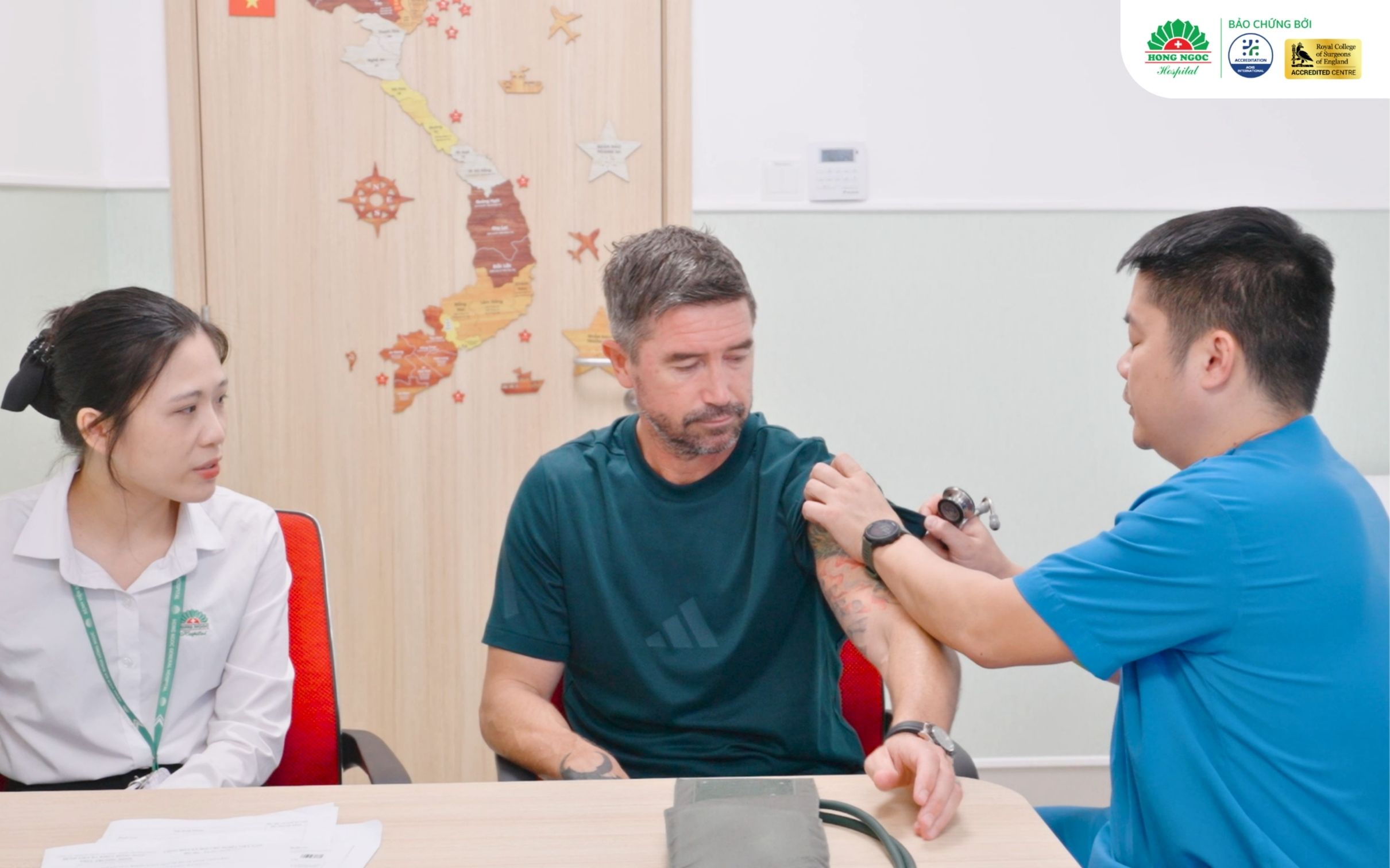
Early medical evaluation helps doctors identify the underlying cause, develop an appropriate treatment plan, and reduce the risk of complications that may affect overall health and quality of life.
Medical neurology consultation and treatment process for international patients at Hong Ngoc General Hospital
Hong Ngoc General Hospital has developed a streamlined consultation and treatment process, helping international patients easily access medical services from appointment booking through post-treatment follow-up. Each patient is supported throughout the care journey by dedicated staff and interpreters to ensure accurate and smooth communication with doctors.
Step 1: Clinical examination and initial assessment
A specialist directly reviews the patient’s medical history, previous conditions, and current medications, while also performing a neurological examination to assess symptoms and identify the possible underlying cause. This provides an important basis for selecting appropriate paraclinical indications and avoiding unnecessary tests.
Step 2: Advanced investigations and diagnostic evaluation
Depending on each patient’s clinical presentation, doctors may prescribe magnetic resonance imaging (MRI), computed tomography (CT), electroencephalography, electromyography, Doppler vascular ultrasound, cerebral hemodynamic monitoring, or other specialized tests to accurately determine the cause and extent of neurological damage.
Step 3: Development of a personalized treatment protocol
Once examination and diagnostic results are available, doctors develop a treatment plan tailored to each patient. In addition to symptom control and treatment of the underlying cause, patients also receive counseling on nutrition, physical activity, medication use, and risk factors that need to be managed in order to improve long-term treatment outcomes.
Step 4: Long-term follow-up and disease management
For chronic neurological conditions such as Parkinson’s disease, epilepsy, dementia, or chronic headache, regular follow-up visits play an important role in evaluating treatment response, adjusting medications when necessary, and preventing complications or the risk of recurrence.
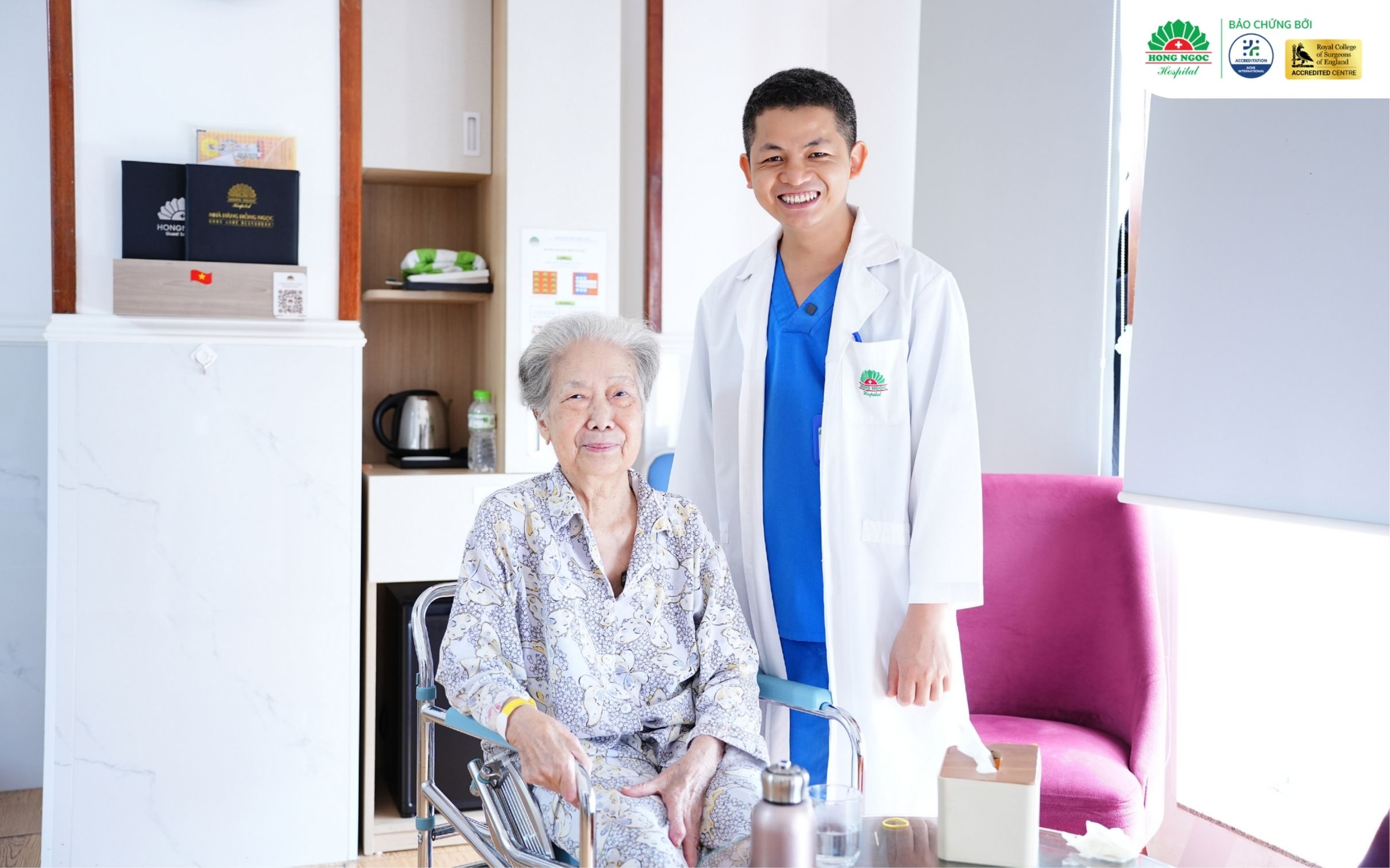
Experienced neurologists providing specialized neurological care
Neurological disorders often have a complex clinical course, with symptoms that can be mistaken for many other conditions and may progress silently over a long period. Therefore, examination by an experienced neurology specialist plays an important role in ensuring accurate diagnosis, selecting the appropriate treatment approach and providing long-term follow-up.
The Neurology Specialty Unit at Hong Ngoc General Hospital brings together a team of doctors with many years of experience, including specialists who have worked at leading tertiary hospitals such as Bach Mai Hospital, Hanoi Medical University Hospital and the National Geriatric Hospital. The doctors have extensive experience in managing a wide range of conditions, from neurological emergencies to chronic disorders requiring long-term management, helping patients access treatment plans tailored to their specific clinical condition.
Modern medical equipment supporting accurate diagnosis and effective treatment
In the treatment of neurological disorders, early detection and accurate identification of the underlying cause play a decisive role in treatment effectiveness and long-term prognosis. Therefore, a modern diagnostic system is one of the key factors supporting doctors in making precise treatment decisions.
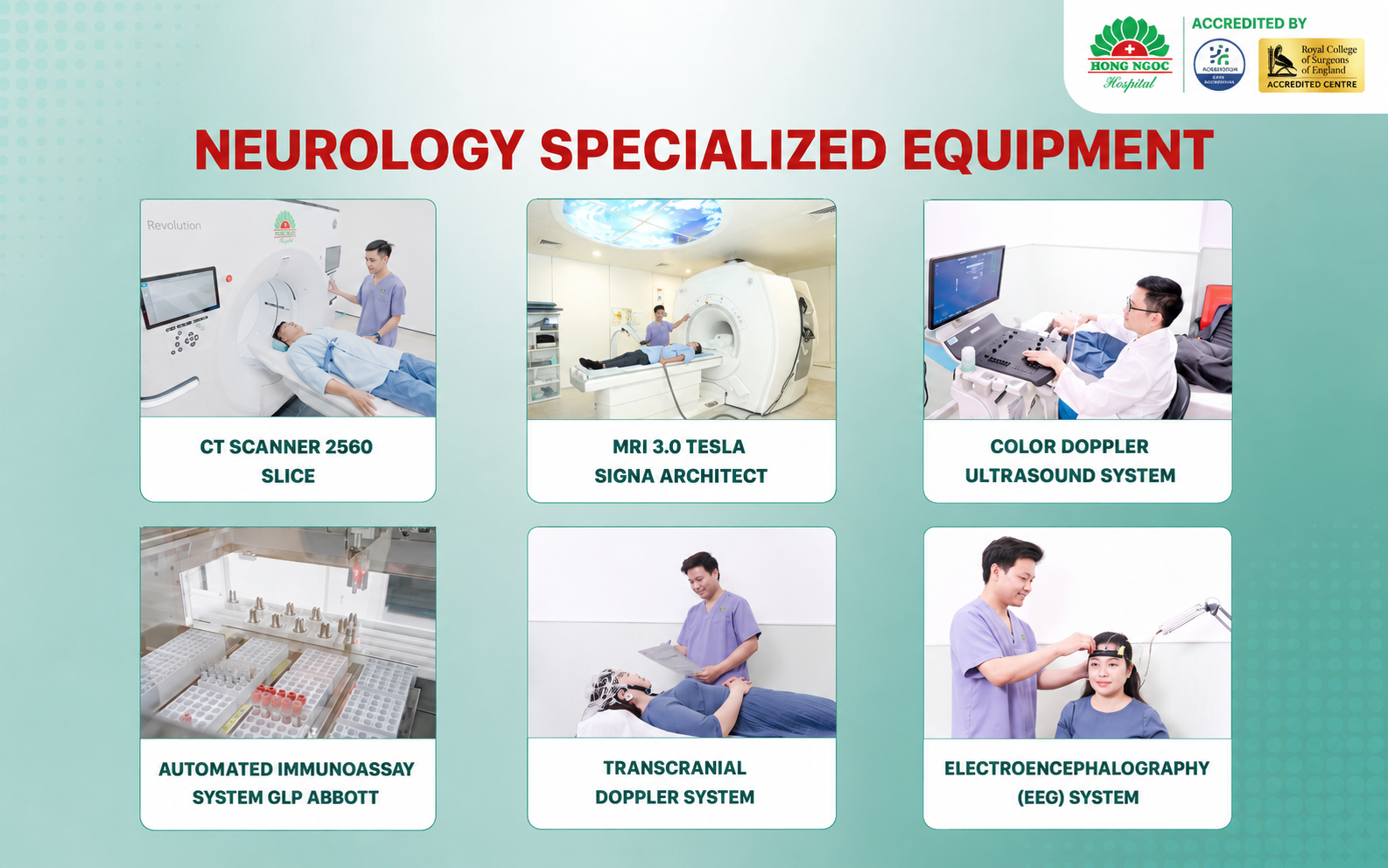
Hong Ngoc General Hospital has invested comprehensively in advanced diagnostic imaging and functional assessment equipment, enabling a comprehensive evaluation of the structure and function of the nervous system while supporting the monitoring of treatment response throughout the patient’s care journey.
2,560-slice computed tomography scanner
The 2,560-slice CT system supports the rapid detection of various neurological conditions, including intracerebral hemorrhage, cerebral infarction, cerebral vascular malformations, brain tumors, and traumatic brain injury. In stroke emergencies, this technology helps doctors quickly assess the extent of brain injury and determine an appropriate management strategy within the “golden window” for treatment.
1.5 Tesla SIGNA Creator MRI system
The 1.5 Tesla SIGNA Creator MRI system provides detailed images of the brain and spinal cord, supporting the detection of small lesions or abnormalities that may be difficult to visualize using other diagnostic modalities. The system is used in the diagnosis of a wide range of conditions, including stroke, brain tumors, spinal cord disorders, neurodegenerative diseases, and other neurological disorders.
Vascular Doppler ultrasound
Vascular Doppler ultrasound helps evaluate carotid artery stenosis, atherosclerosis, and cerebral blood flow, supporting the detection of stroke risk factors as well as treatment monitoring in patients with cerebrovascular disease.
Electroencephalography and electromyography
Electroencephalography and electromyography are used to assess the electrical activity of the brain and the function of the neuromuscular system. These techniques support the diagnosis of conditions such as epilepsy, peripheral neuropathy, nerve conduction disorders, and muscle diseases.
Respiratory polygraphy and polysomnography
Respiratory polygraphy and polysomnography support the diagnosis of sleep disorders, particularly sleep apnea syndrome, a condition that may increase the risk of stroke as well as various cardiovascular and neurological diseases.
Transcranial magnetic stimulation
Transcranial magnetic stimulation, or TMS, is a technique that uses magnetic fields to stimulate functional areas of the brain, supporting treatment and rehabilitation in selected neurological conditions. Depending on the specialist’s evaluation, this technique may be indicated for post-stroke rehabilitation, Parkinson’s disease, chronic neuropathic pain, migraine, tinnitus, and several other neurological disorders.
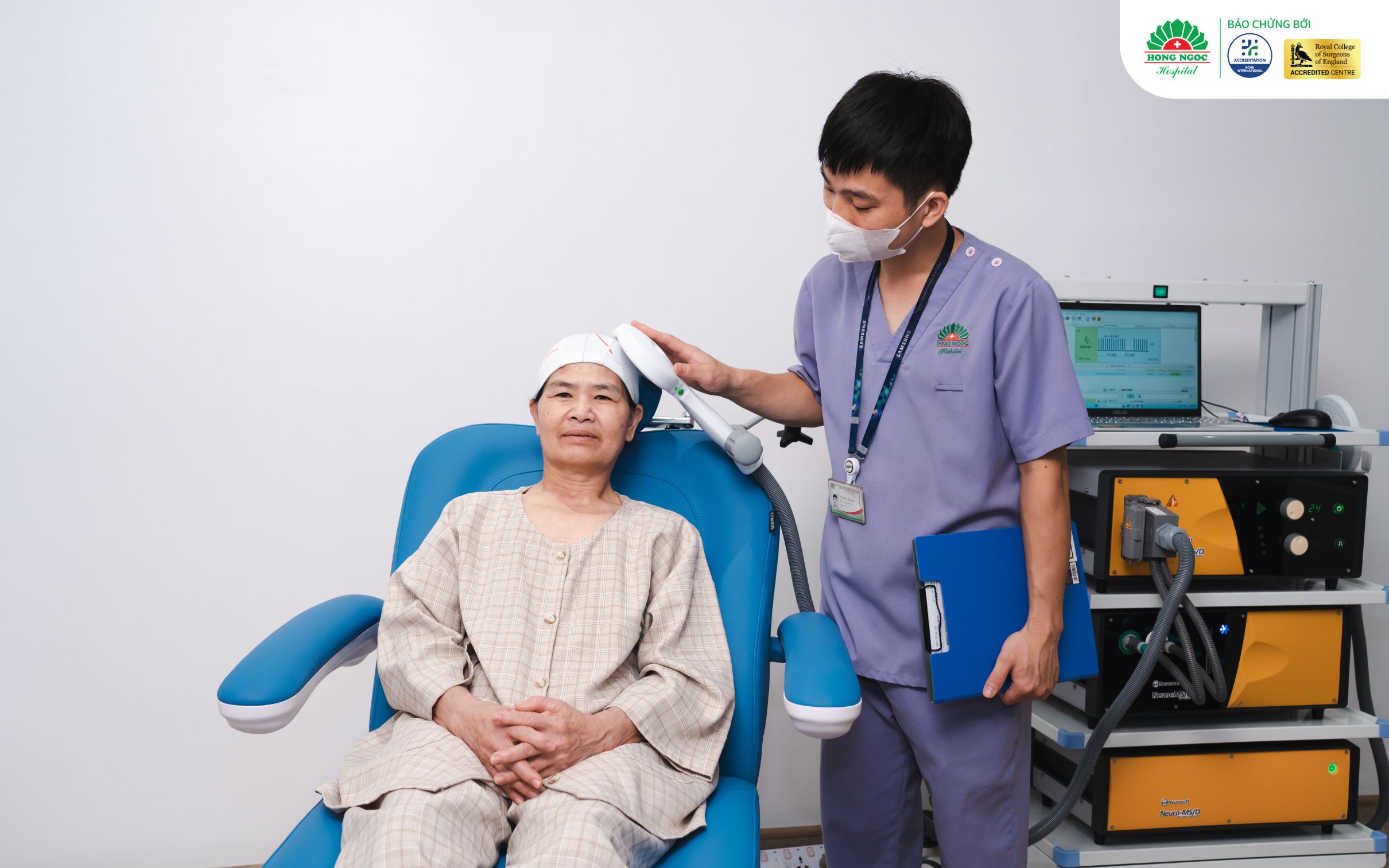
In addition to the above-mentioned equipment, the department is also equipped with a wide range of modern functional assessment and laboratory testing systems, further supporting doctors in making accurate diagnoses and monitoring treatment effectiveness at each stage of the disease.
Personalized treatment combined with multidisciplinary consultation
Each neurological disorder has its own progression pattern and treatment response. Therefore, at Hong Ngoc General Hospital, treatment plans are individually developed for each patient based on the diagnosis, disease severity, comorbidities, and overall health status.
In addition to medication therapy, doctors may combine risk factor control, rehabilitation, and lifestyle modification counseling to maintain long-term treatment effectiveness while reducing the risk of recurrence in conditions such as stroke or Parkinson’s disease.
For complex cases, the Medical Neurology Department coordinates multidisciplinary consultations with Neurosurgery, Cardiology, Intensive Care, Endocrinology, Diagnostic Imaging, Rehabilitation, and other relevant specialties to develop a comprehensive treatment strategy, ensuring continuous monitoring throughout the patient’s treatment journey.
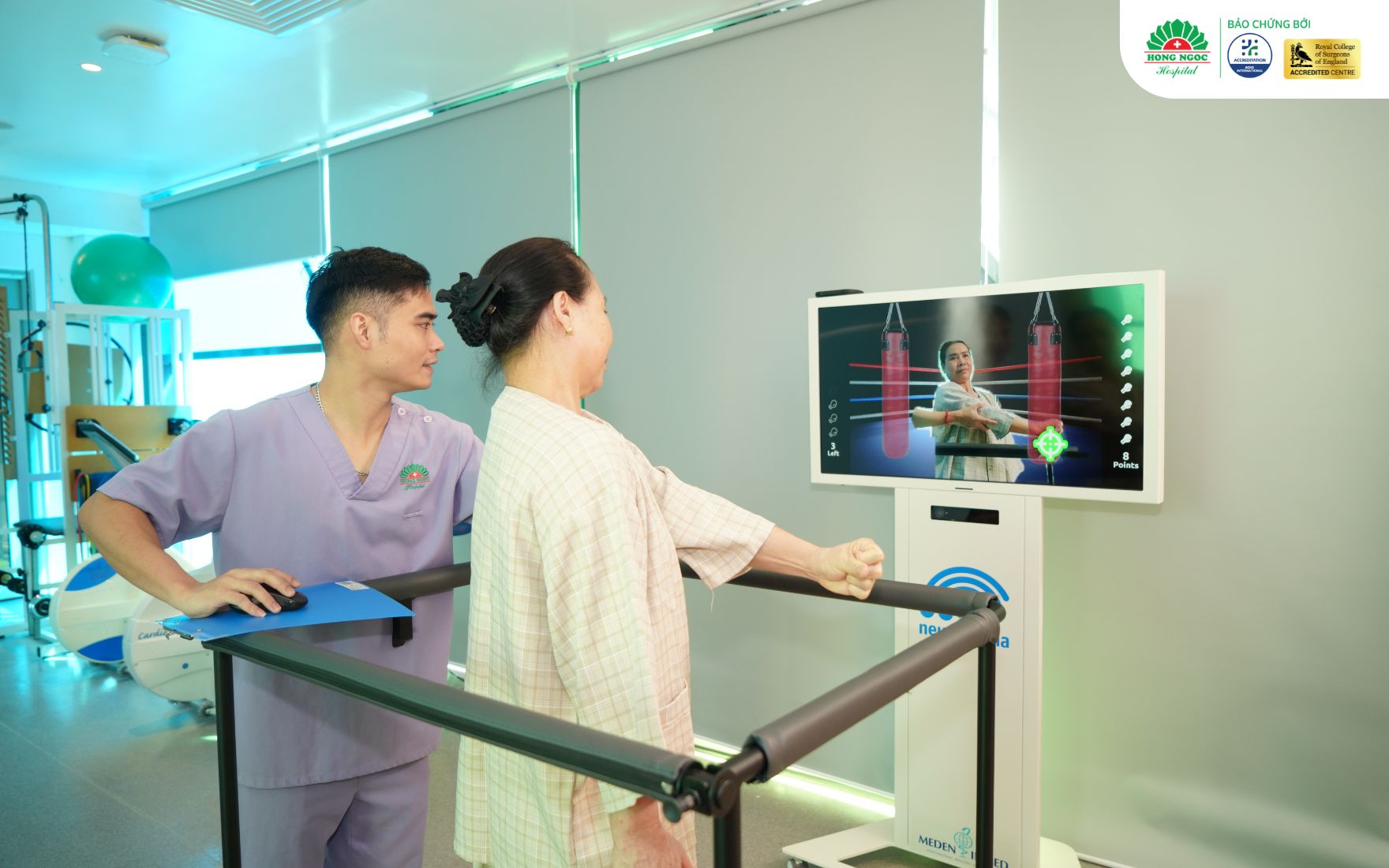
24/7 neurological emergency care to optimize the “golden window” for treatment
For emergency conditions such as acute stroke, prolonged seizures, or acute disorders of consciousness, every minute can affect a patient’s chance of recovery. Early diagnosis and timely management help increase the likelihood of functional recovery and reduce the risk of long-term neurological sequelae.
Hong Ngoc General Hospital maintains a 24/7 emergency response system, supported by fully equipped ambulances with essential resuscitation facilities, ready to receive and transport patients in urgent situations. Emergency physicians, neurologists, intensive care specialists, and other relevant specialties work closely together from the very first minutes to shorten the time to diagnosis, management, and treatment.
This synchronized coordination among specialties helps maximize the “golden window” in neurological emergency care, improving the chance of recovery and reducing the risk of complications for patients.
Medical neurology consultation and treatment experience for international patients at Hong Ngoc General Hospital
Along with the growing demand for healthcare among the international community in Vietnam, many patients are not only concerned about clinical quality but also place strong emphasis on convenience throughout the medical care journey, from language support and international insurance assistance to appointment booking and post-treatment care.
To meet this demand, Hong Ngoc General Hospital has developed dedicated services for international patients, with a comprehensive support process that enables them to easily access high-quality medical care in Hanoi.
From appointment booking, consultation, and treatment to follow-up visits, patients are accompanied by a dedicated support team that provides information, answers questions, and guides them through the necessary procedures, contributing to a convenient and reassuring experience throughout the treatment process.
Multilingual support to reduce barriers to medical care
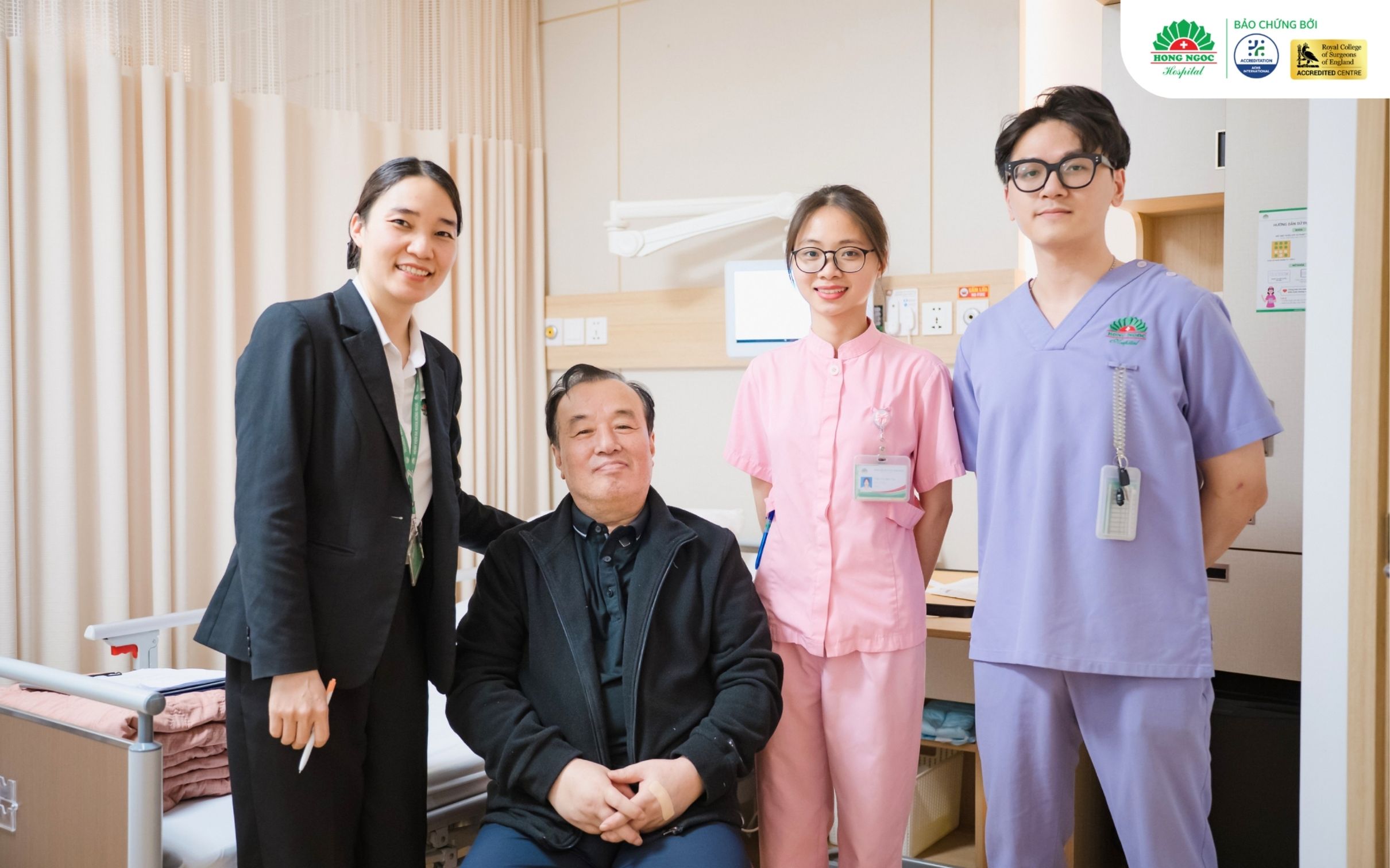
Language differences are among the common barriers that make many international patients hesitant to seek medical care in Vietnam. At Hong Ngoc General Hospital, interpreters and international patient support staff accompany patients throughout the consultation and treatment process, helping ensure smoother and more accurate communication with doctors.
The hospital currently provides support in multiple languages, including:
- English
- Korean
- Chinese
- Japanese
- And other languages depending on each patient’s actual needs.
The support team assists with appointment booking, completion of administrative procedures, explanation of the medical care process, and professional communication between doctors and patients when needed.
Treatment protocols updated in accordance with international clinical guidelines
Neurological disorders often have complex disease courses and require treatment based on the latest scientific evidence. Therefore, the Medical Neurology Department at Hong Ngoc General Hospital regularly updates its clinical practice in line with guidelines from leading neurology associations worldwide, supporting doctors in selecting the most appropriate treatment approach for each patient.
For difficult cases or those requiring in-depth assessment, doctors may organize multidisciplinary consultations and, when necessary, connect with domestic or international experts to determine a treatment plan that best suits the patient’s condition.
As a result, many patients are able to access modern diagnostic and treatment solutions in Vietnam, reducing the need to seek medical care abroad in selected appropriate cases.
Bilingual medical records for convenient long-term follow-up
For international patients, maintaining medical records in a bilingual format makes health monitoring more convenient, especially when they need to continue treatment or share medical information with doctors in another country.
Hong Ngoc General Hospital has developed a bilingual medical record system in accordance with the hospital’s management procedures, allowing patients to easily review their medical history, test results, and treatment process during follow-up visits or when information needs to be shared with their next treating physician.
This is also an advantage for chronic neurological conditions that require long-term monitoring, such as Parkinson’s disease, epilepsy, or dementia.
International insurance support and direct billing assistance
Treatment costs and insurance procedures are always among the key concerns for international patients seeking medical care in Vietnam. To help patients save time and ensure greater convenience throughout the treatment process, Hong Ngoc General Hospital cooperates with more than 50 domestic and international insurance providers, including Pacific Cross, Aetna, Allianz, Cigna, Tokio Marine, Bupa, AIA, and Manulife, to provide direct billing services in accordance with the terms and conditions of each insurance plan.
The hospital’s support staff assist patients in verifying insurance benefits, preparing the required documents, and guiding them through the necessary procedures according to each insurer’s regulations, helping shorten administrative processing time and optimize insurance benefits.
Fast appointment booking with flexible consultation scheduling
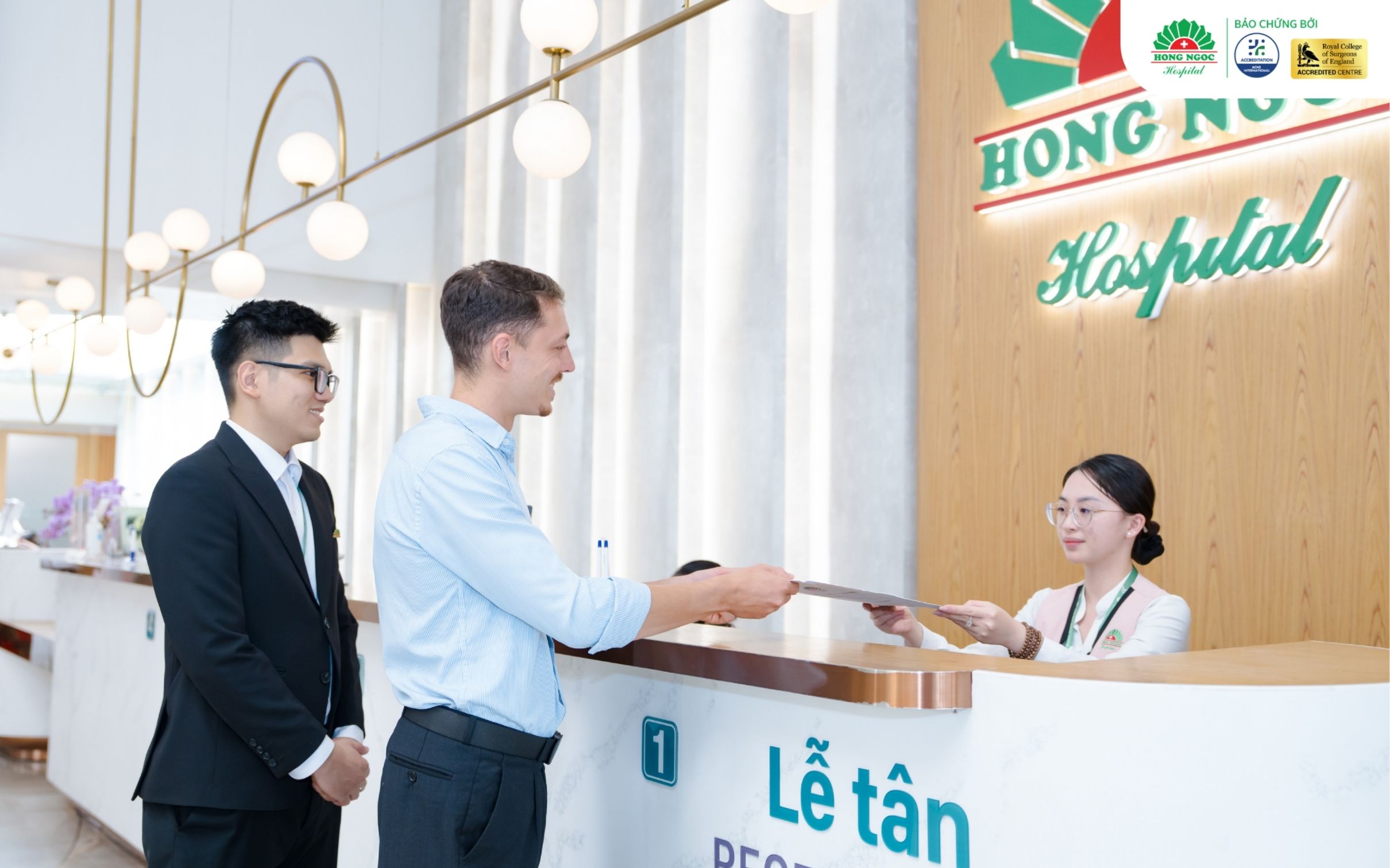
International patients can schedule appointments in advance through Hong Ngoc General Hospital’s hotline, WhatsApp, or international Fanpage. Proactive appointment booking allows patients to choose a suitable doctor and consultation time while reducing waiting time at the hospital.
For emergency cases, the hospital’s 24/7 Emergency Department is always ready to receive patients and coordinate timely management based on each patient’s actual condition.
Modern treatment spaces with a strong focus on privacy and comfort
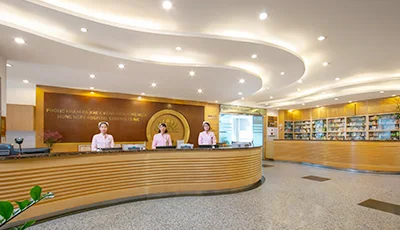
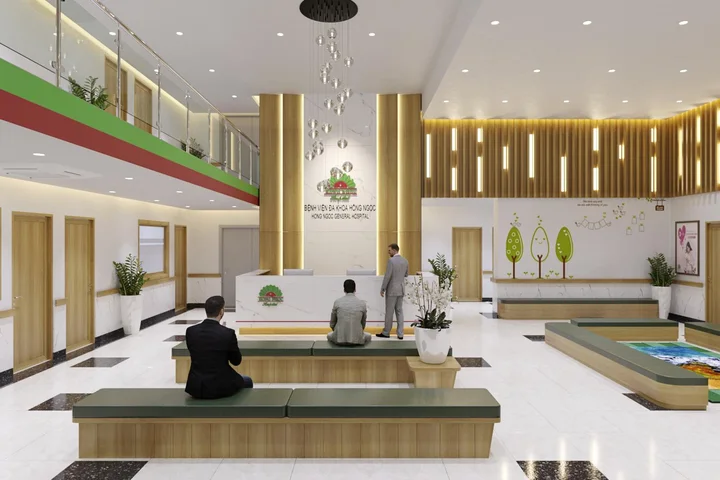
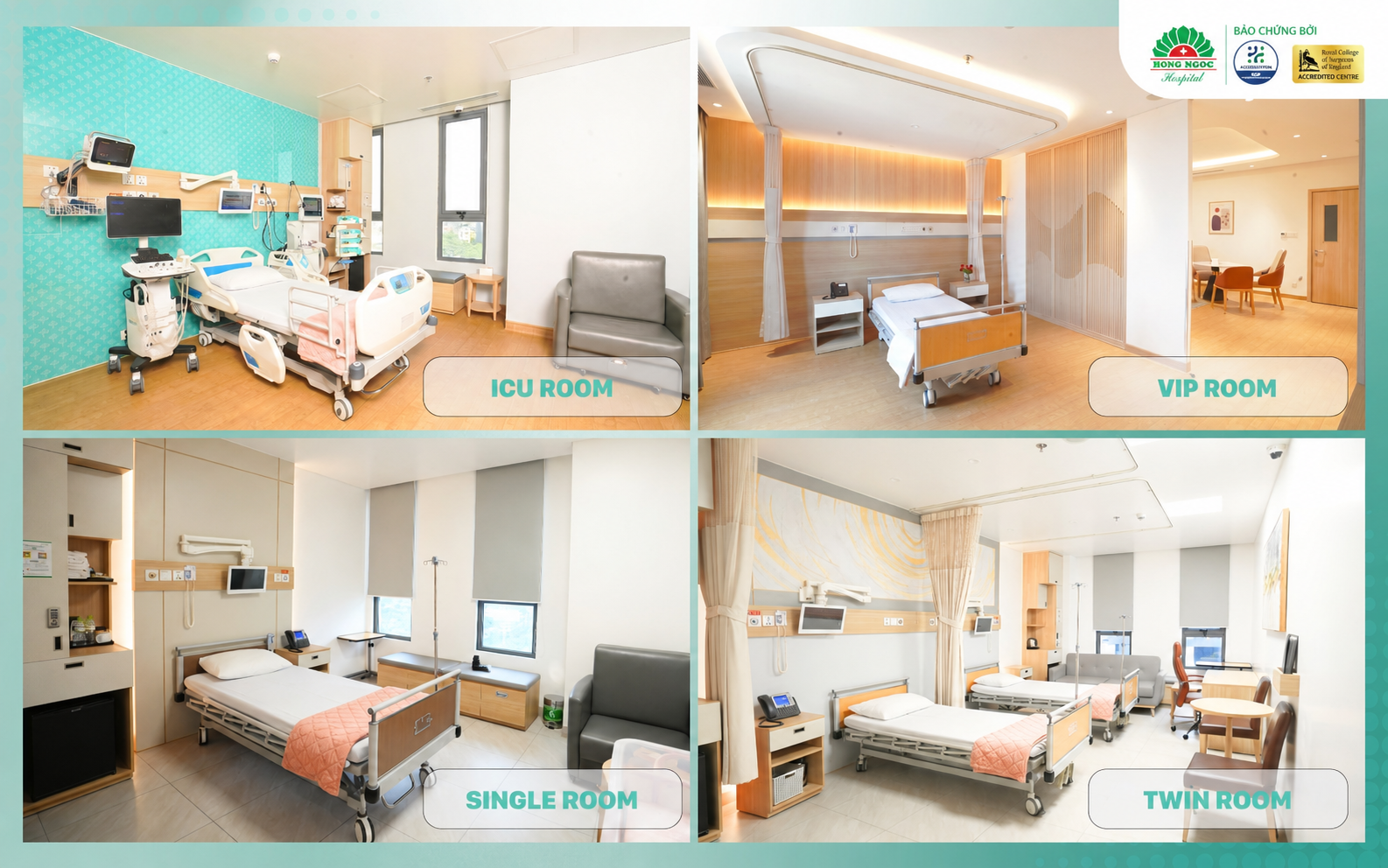
In addition to clinical quality, the treatment environment also plays an important role in enhancing the patient experience and supporting recovery. Hong Ngoc General Hospital has developed a “hospital-hotel” model, providing a modern, clean, and private medical care environment.
The outpatient consultation rooms and inpatient treatment rooms are fully equipped with essential amenities. Together with a dedicated medical team and nutrition plans tailored to doctors’ recommendations, this environment helps patients feel more comfortable throughout the treatment and recovery process.
International-standard neurological care for international patients at Hong Ngoc General Hospital
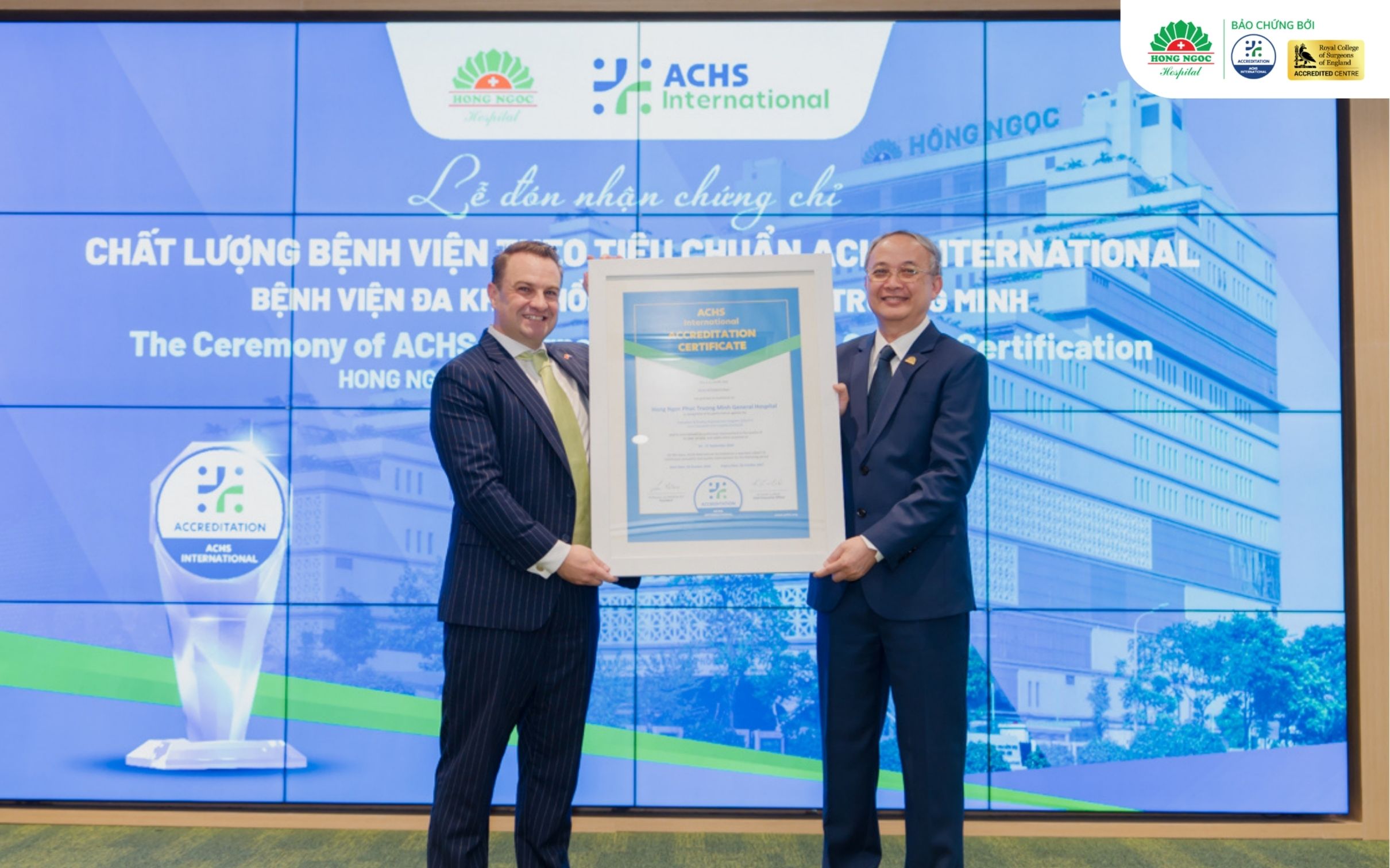
Hong Ngoc General Hospital’s reputation in healthcare has been affirmed by its recognition as the first private hospital in Vietnam to receive ACHSI accreditation from the Australian Council on Healthcare Standards International. This serves as evidence of the hospital’s clinical capacity, service quality, and internationally standardized management system, giving patients, especially international patients, greater confidence when choosing medical neurology treatment in Vietnam.
In addition, Hong Ngoc General Hospital is also recognized by the Royal College of Surgeons of England, or RCS England, as a global-standard surgical training center. This serves as evidence of the hospital’s training capacity, clinical practice standards, and ongoing commitment to continuously improving professional quality.
As a trusted destination for medical neurology treatment for international patients, Hong Ngoc General Hospital comprehensively meets the needs of consultation, treatment, and emergency care with an experienced team of specialists, modern medical equipment, personalized treatment protocols, and international-standard patient care services. This provides a strong foundation for patients to confidently access high-quality medical care in Vietnam.
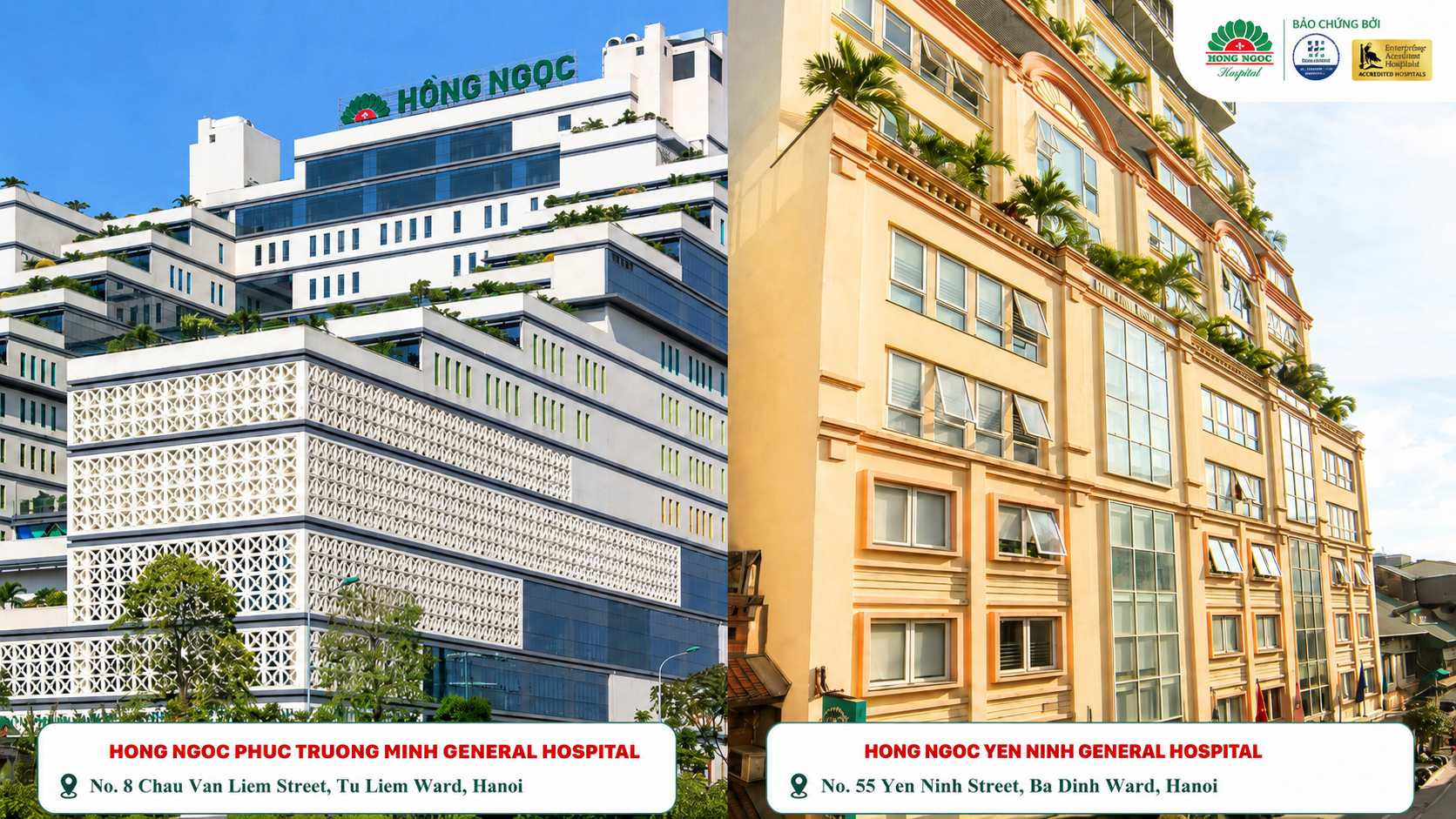
To schedule a medical neurology consultation and treatment for international patients, please contact:
International Fanpage: Hong Ngoc General Hospital
WhatsApp: (+84) 966701596
Hotline in English: 0911 858 627
Hotline in Korean: 091 124 1661
Hotline in Chinese: 094 313 7086
Medical neurology consultation and treatment system at Hong Ngoc General Hospital
Phuc Truong Minh Facility: No. 8 Chau Van Liem Street, Tu Liem Ward, Hanoi
Yen Ninh Facility: No. 55 Yen Ninh Street, Ba Dinh Ward, Hanoi
General hotline: 0947 616 006