


About 30% of Vietnam’s population is affected by tuberculosis bacteria, and more than 15% of these cases progress to chronic tuberculosis.” To prevent tuberculosis from becoming a widespread public health threat, the tuberculosis vaccine has been included in the national expanded immunization program and is administered to newborns.
So, what is the tuberculosis vaccine? What are the benefits of tuberculosis vaccination? What is the vaccination schedule for children? Let’s find out.
What is tuberculosis?
Tuberculosis, also known as pulmonary tuberculosis when it affects the lungs, is an infectious disease caused by Mycobacterium tuberculosis (MTB). Tuberculosis primarily attacks the respiratory system, especially the lungs, but it can also affect other organs such as the brain, bones, kidneys, liver, and heart. The spread of tuberculosis remains a complex public health issue worldwide. According to the World Health Organization (WHO), about 10 million people develop tuberculosis each year, and approximately 1.4 million people die from the disease.
The progression of tuberculosis depends on many factors, including the patient’s immune resistance, the bacterial strain, the amount of bacteria entering the body, and the duration of treatment. After tuberculosis bacteria enter the body, they may remain in the lungs for many years without causing symptoms. However, when the immune system becomes weakened or the body is under stress, the bacteria may become active and cause infectious disease.
If not detected and treated promptly, tuberculosis can lead to serious health complications, such as reduced lung function, bone damage, vision impairment, kidney dysfunction, sepsis, respiratory failure, and even death. Therefore, tuberculosis prevention is very important to avoid dangerous health complications and prevent transmission to people around the patient. Currently, one of the most important measures for preventing tuberculosis is tuberculosis vaccination.
What is tuberculosis vaccination?
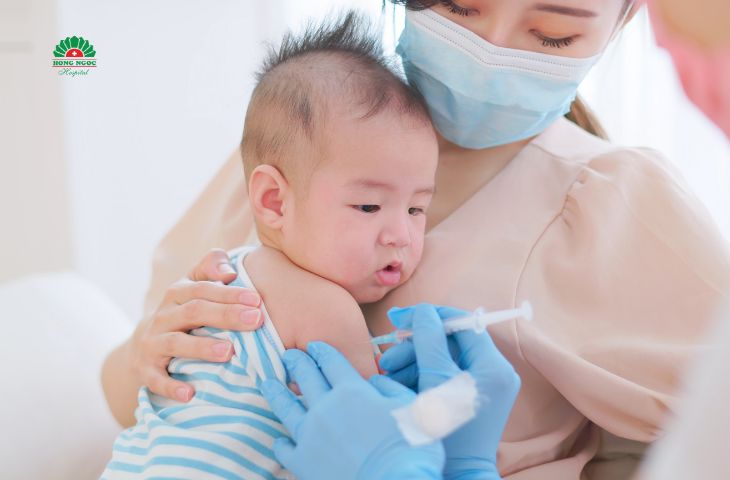
As mentioned above, tuberculosis vaccination is an essential measure to protect individuals and the community against tuberculosis. Tuberculosis vaccination involves administering a vaccine to help prevent the disease. The vaccine contains a very small amount of Mycobacterium tuberculosis bacteria that have been weakened and can no longer cause disease. When introduced into the body, the vaccine stimulates the immune system to produce antibodies against tuberculosis bacteria, helping the body resist the disease during future exposure.
Currently, tuberculosis vaccination is widely used worldwide and has been included in expanded immunization programs in many countries. According to WHO recommendations, children should receive the vaccine at least once in their lifetime, preferably within the first 30 days after birth. Parents may also consider a booster dose if antibody levels decline. In Vietnam, the most commonly used tuberculosis vaccine is the BCG vaccine.
Contact the hotline at 0949 416 006 or fill out the form below to register for consultation on comprehensive vaccination packages.
Important notes on tuberculosis vaccination for children
Before vaccination
Specialists recommend that the BCG vaccine for tuberculosis prevention be administered as early as possible. Below are important points parents should keep in mind when having their child vaccinated against tuberculosis:
- Check the child’s vaccination schedule: Before receiving the BCG vaccine, parents should make sure the child has undergone a prior health checkup. In practice, the BCG vaccine is usually administered within 24 hours after birth. Therefore, parents should pay close attention to the child’s health status to determine whether the baby is eligible for vaccination.
- Learn about the BCG vaccine: Before vaccination, parents should understand the vaccine, possible post vaccination side effects, and how to manage any reactions that may occur after the injection.
- Choose a reputable and high quality vaccination facility to ensure the child’s safety.
Tuberculosis vaccination schedule for children
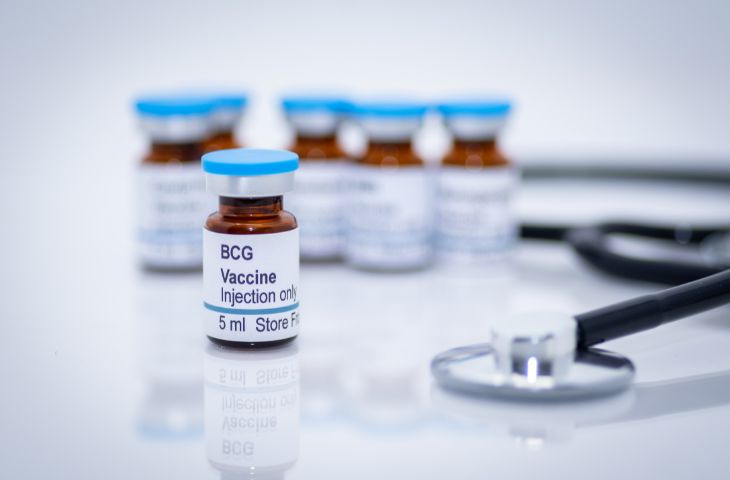
In Vietnam, the BCG vaccination schedule is usually as follows:
- The BCG vaccine is administered to newborns within the first 24 hours of life. This vaccination is usually performed at a hospital or general clinic.
- If a child has passed the neonatal period but has not yet received the BCG vaccine, vaccination may still be given within the first week or up to 3 months of age. However, vaccine effectiveness may be lower compared with administration within the first 24 hours after birth.
- For children who are not healthy enough to receive tuberculosis vaccination during the first month of life, the vaccine may be given when the child’s health becomes more stable. However, if the child has already been infected with tuberculosis bacteria, vaccination may no longer be necessary.
Please note that the BCG vaccine mainly helps prevent pulmonary tuberculosis, but it does not protect against bone and joint tuberculosis or lymph node tuberculosis. Therefore, individuals who receive the BCG vaccine should still continue to follow other tuberculosis prevention measures, such as receiving recommended tuberculosis related vaccines, limiting contact with people who have tuberculosis, and maintaining good hygiene.
Possible side effects after tuberculosis vaccination
As with any vaccine, tuberculosis vaccination may cause certain side effects. Possible side effects after tuberculosis vaccination include:
- Swelling, pain, and redness at the injection site: This is the most common side effect of tuberculosis vaccination. The skin around the injection site may become swollen, painful, and red for a few days after vaccination.
- Injection site infection: This side effect is uncommon but may still occur. If the injection site becomes red, warm, painful, or develops pus, parents should contact a doctor immediately for treatment advice.
- Mild fever: Tuberculosis vaccination may cause mild fever for a few days after injection. This usually does not cause serious problems and often resolves on its own after a few days.
- Rash: Some children may react to the vaccine with a mild rash or skin eruption.
- Allergic reactions: Although rare, allergic reactions may occur after tuberculosis vaccination. Symptoms may include headache, nausea, vomiting, or rash.
Severe reactions after tuberculosis vaccination are very rare, so parents can feel reassured when taking their child for vaccination. They should also consult a doctor for prompt management of any side effects. If the child develops abnormal signs such as a high fever above 38.5°C, fever lasting continuously for more than 24 hours, or seizures, parents should take the child to the nearest medical facility immediately for timely treatment.
Can a child still develop tuberculosis after vaccination?
BCG vaccination helps reduce the risk of tuberculosis and may prevent complications of the disease. However, tuberculosis vaccination does not provide 100% protection against infection.
In particular, in Vietnam, the BCG vaccine currently provides protection mainly against pulmonary tuberculosis, while its effectiveness against other forms such as lymph node tuberculosis or tuberculous meningitis remains limited.
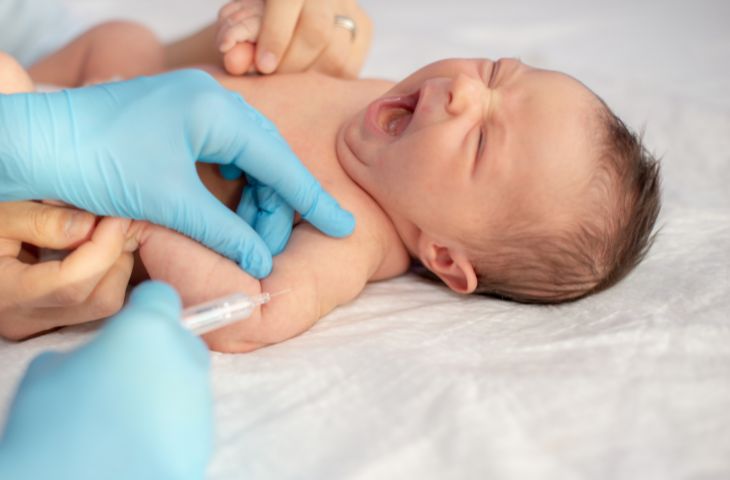
In practice, tuberculosis vaccination helps weaken tuberculosis bacteria when they enter the body and minimizes the risk of pulmonary tuberculosis. In addition, the tuberculosis vaccine can help prevent serious complications such as bone tuberculosis, joint tuberculosis, and tuberculous meningitis. However, tuberculosis vaccination may not be fully effective in cases of direct and prolonged exposure to an infectious source.
In some cases, vaccination may also be less effective due to factors such as age, overall health status, and the body’s immune response. If symptoms such as cough, fever, shortness of breath, or other abnormal signs appear, patients should see a doctor for examination and diagnosis.
Contact information
Hong Ngoc General Hospital
Hotline: 0949 416 006 – 0947 616 006 – 0911 858 616
Tel: (84-24) 3927 5568, ext. *3036 – *3388 – *2244
Follow the fanpage of Hong Ngoc General Hospital for more information.