



Sciatica is a common neurological condition that can significantly impair mobility and, in severe cases, may lead to functional disability or paralysis. Therefore, recognizing its clinical manifestations is essential for timely prevention and appropriate management.
What is sciatica?
The sciatic nerve, also known as the largest peripheral nerve in the body, extends from the lower lumbar spine down to the toes, providing both motor and sensory innervation to the lower extremities.
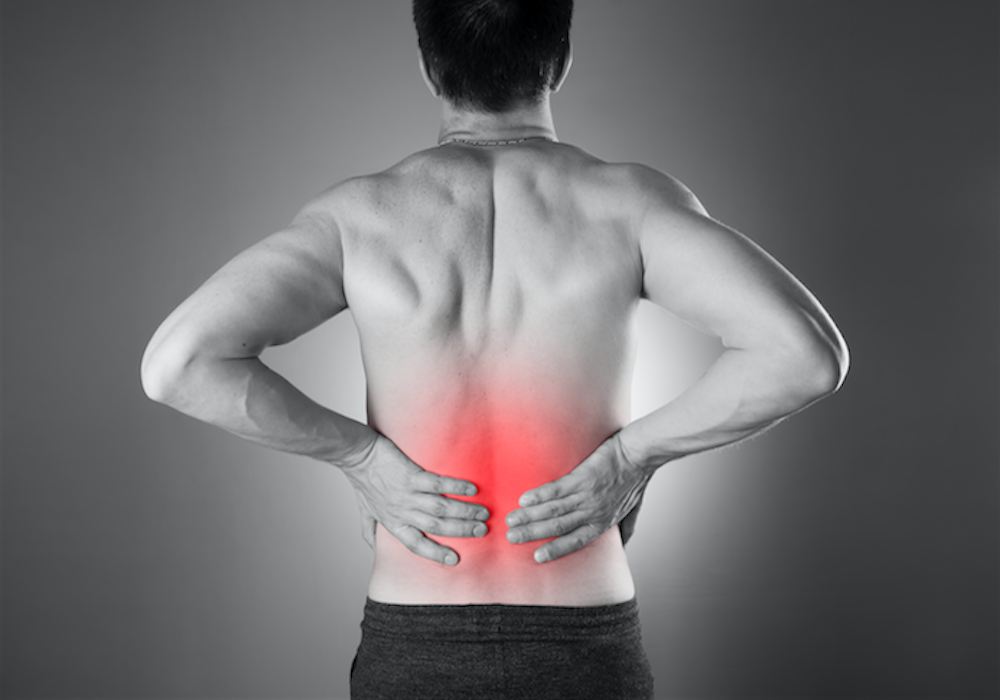
Sciatica refers to pain that radiates along the course of the sciatic nerve, typically originating in the lower back, passing through the hips and buttocks, and extending down one or both legs.
The condition may also be associated with lower limb muscle weakness, along with sensory disturbances such as numbness, tingling, or a pins and needles sensation. The distribution and intensity of pain may vary depending on the location and severity of nerve involvement.
Causes of sciatica
Musculoskeletal disorders
Numerous studies have demonstrated that most cases of sciatica originate from underlying musculoskeletal conditions. In particular, individuals with intervertebral disc herniation have a significantly higher risk. Degenerative changes or trauma may lead to disc protrusion or herniation, which compresses the nerve roots and results in characteristic sciatic pain.
A similar mechanism may occur in conditions such as spinal osteophytes, as well as in the presence of spinal tumors or cysts, all of which can exert pressure on the sciatic nerve and trigger symptoms.
Age and occupational factors
Although sciatica can occur at any age, individuals between 30 and 50 years are at the highest risk. This group is typically within the working age, with increased mechanical stress on the spine compared to other populations.
In younger individuals, sciatica is often associated with daily habits such as heavy lifting or prolonged improper posture. In older adults, underlying chronic conditions such as diabetes mellitus and hypertension may increase susceptibility to sciatic nerve involvement.
Body weight
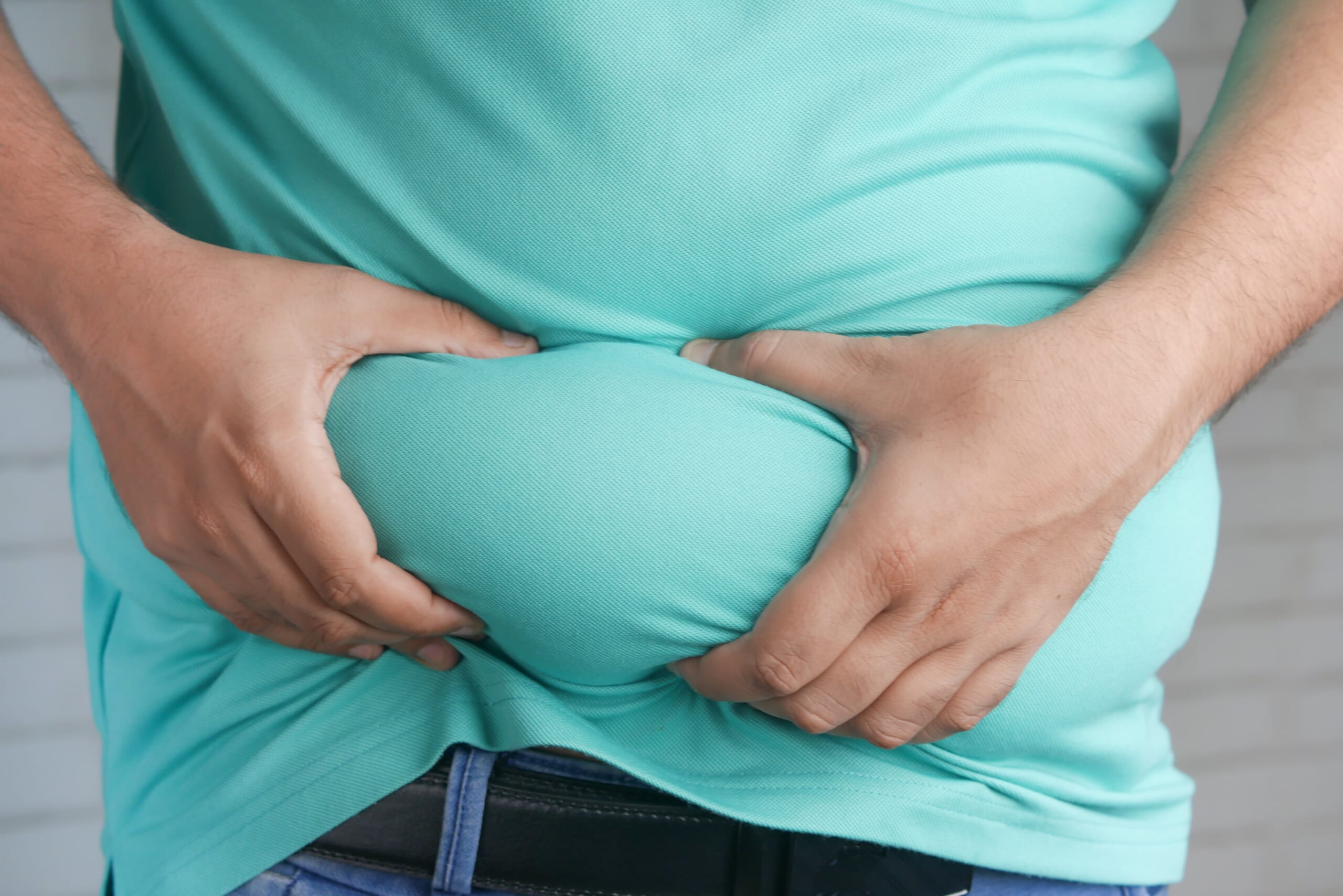
Excess body weight places significant mechanical load on the spine, contributing to various musculoskeletal disorders, including sciatica. Therefore, overweight individuals and pregnant women are at higher risk of developing this condition.
Sedentary lifestyle
Prolonged sitting and lack of physical activity can reduce muscle flexibility and strength, thereby increasing the risk of developing sciatica.
Smoking
Nicotine in tobacco can damage spinal tissues, weaken bone structure, and accelerate intervertebral disc degeneration.
Common clinical manifestations of sciatica
In the early stage, symptoms of sciatica are often mild and nonspecific. Pain episodes may not significantly impact daily activities, leading many patients to underestimate the condition and delay seeking medical evaluation until symptoms begin to interfere with normal functioning.
Common and typical clinical signs include:
- Pain: The hallmark symptom of sciatica. Pain intensity may vary from mild, dull, and aching to severe, sharp, or electric shock like sensations. It typically radiates from the lower back to the hips, buttocks, posterior thighs, calves, ankles, and heels. Pain may be exacerbated by movements such as twisting the torso, coughing, or sneezing.
- Sensory disturbances: Numbness, tingling, or burning sensations along the distribution of the sciatic nerve, particularly from the lumbar region down to the lower extremities.
- Pain during positional changes: Discomfort when standing up, sitting down, or maintaining prolonged postures.
- Reduced mobility: Patients may experience lower limb muscle weakness, difficulty walking, or inability to stand on tiptoe.
- Symptoms may affect one or both lower limbs, depending on the extent and location of nerve involvement.
Many patients often confuse sciatica with other spinal disorders due to overlapping clinical manifestations:
- Sciatica vs. lumbar disc herniation: Both conditions can cause significant pain. However, if the pain is localized predominantly in the lower back and is severe rather than radiating extensively, it may suggest lumbar disc herniation. Notably, lumbar disc herniation is one of the most common underlying causes of sciatica.
- Sciatica vs. piriformis syndrome: These two conditions share similar symptoms, with pain radiating from the lower back down to the foot. The key difference lies in pain distribution. Sciatica typically presents with pronounced pain in the hip region and may cause gait disturbances, with pain aggravated by movement. In contrast, piriformis syndrome usually does not involve significant thigh pain, and symptoms may improve when the foot is externally rotated during movement.
Therefore, when experiencing abnormal musculoskeletal pain, early medical evaluation is essential to ensure accurate diagnosis and appropriate management.
Potential complications of sciatica
If left untreated, sciatica can significantly impair daily functioning and lead to serious complications:
- Muscle atrophy: To avoid pain, patients often reduce physical activity. Over time, muscles along the distribution of the sciatic nerve may undergo atrophy and gradually lose function, potentially leading to partial paralysis and loss of bowel or bladder control.
- Lower limb paralysis: More severe than muscle atrophy, patients may develop paralysis of the lower extremities. This is considered one of the most serious complications, resulting in significant dependence on others for daily activities.
- Spinal stiffness: A common sign includes muscle spasms and reduced strength in the lower limbs. Patients may experience stiffness of the spine, particularly when bending or moving.
Over time, posture and gait may be markedly affected, not only limiting daily activities but also negatively impacting psychological well being.
Prevention and management of sciatica
Sciatica not only causes significant pain but also adversely affects overall health and daily functioning. Therefore, appropriate preventive and therapeutic measures should be implemented early to control symptoms and improve quality of life.
Nutritional optimization
A well balanced diet plays an important role in the management of sciatica. Patients are advised to ensure adequate intake of the following nutrients:
- Vitamin B6: Supports nerve conduction, enhances immune function, and improves overall neurological health. Rich sources include bananas, carrots, and whole grains.
- Vitamin C: Promotes tissue repair, reduces inflammation, and strengthens immune response. It is abundant in citrus fruits such as lemons, grapefruits, and oranges.
- Vitamin A: Contributes to improved blood circulation, particularly to the lower extremities, thereby helping to alleviate leg pain. Common sources include carrots and bell peppers.

Postural adjustment
Proper sitting posture is a simple yet effective measure in the management of sciatica. Patients are advised to use chairs with adequate lumbar support that conform to the natural curvature of the spine. Alternatively, a rolled towel or cushion may be placed behind the lower back for support. The height of the hips and knees should be appropriately aligned to maintain an ergonomic sitting position. Consistently maintaining correct posture can help alleviate symptoms.
Regular physical activity
Routine exercise plays a crucial role in improving overall musculoskeletal health. Exercise programs should focus on strengthening the back muscles, enhancing flexibility of the lumbar and hip regions, and improving hamstring function.
Patients with sciatica should select exercises based on their individual condition, starting with low intensity activities such as walking or yoga, and gradually increasing intensity as tolerated.

Pharmacological management
In addition to lifestyle modifications such as dietary optimization and regular exercise, patients should seek medical evaluation to establish an appropriate and effective treatment plan. Physicians may prescribe medications to control inflammation and relieve pain, or consider surgical intervention in severe cases.
Commonly used medications for sciatica include analgesics and nonsteroidal anti-inflammatory drugs such as acetaminophen, aspirin, ibuprofen, and naproxen. However, these should only be used under medical supervision and at appropriate dosages, as inappropriate use may lead to adverse effects on the liver, kidneys, and gastrointestinal tract.
Physical therapy
Physical therapy plays a key role in relieving nerve compression, correcting spinal alignment, reducing muscle stiffness, and improving mobility. This approach not only restores musculoskeletal and neurological function but also helps prevent recurrence.
At Hong Ngoc General Hospital, each patient receives an individualized treatment protocol tailored to the severity of the condition. Advanced physiotherapy technologies, including electrical stimulation, shockwave therapy, interferential therapy, and hydrotherapy, are combined with specialized manual therapy techniques to significantly enhance treatment efficacy and accelerate functional recovery.
Surgical intervention
When conservative treatment fails, surgery may be indicated as a last resort. The two primary surgical approaches include discectomy and laminectomy.
- Discectomy: This procedure involves removing structures compressing the sciatic nerve, such as herniated discs or osteophytes. In some cases, complete removal of the affected disc may be necessary. The procedure is typically performed under general anesthesia.
- Laminectomy (spinal decompression): This involves removing part of the vertebral bone or surrounding tissues that are exerting pressure on the nerve roots.
The Department of Musculoskeletal Medicine at Hong Ngoc General Hospital is highly regarded for the management of orthopedic conditions, including sciatica. Patients can register for consultation and treatment via the hotline: 0889 621 046 for further assistance.
Note: The information provided in this article by Hong Ngoc General Hospital is for reference purposes only and does not substitute for professional medical diagnosis or treatment. Patients should not self medicate. For an accurate diagnosis and appropriate treatment plan, individuals are advised to visit a healthcare facility for direct examination and consultation with a qualified physician.
For more health related updates, please follow:https://www.facebook.com/BenhvienHongNgoc/