



Hong Ngoc General Hospital has received multiple pediatric emergency cases in critical condition due to appendicitis with necrosis, directly threatening the child’s life. Notably, most of these young patients initially presented with symptoms such as abdominal pain, fever, vomiting, and diarrhea, easily mistaken by parents for common digestive disorders leading to delays in seeking timely medical care.
Neglecting right-sided abdominal pain puts a child at risk of life-threatening ruptured appendicitis
Patient N.T.L. (5 years old) was admitted to the Emergency Department of Hong Ngoc General Hospital presenting with dull abdominal pain around the umbilical region and in the right iliac fossa, high fever of 40°C, frequent vomiting, and poor oral intake. These symptoms had persisted for two days; however, as the family assumed it was only a digestive disorder, they continued monitoring the child at home. Only when the abdominal pain became increasingly intense, leaving the child exhausted and unable to tolerate it, did the parents hurriedly bring the patient to the hospital.
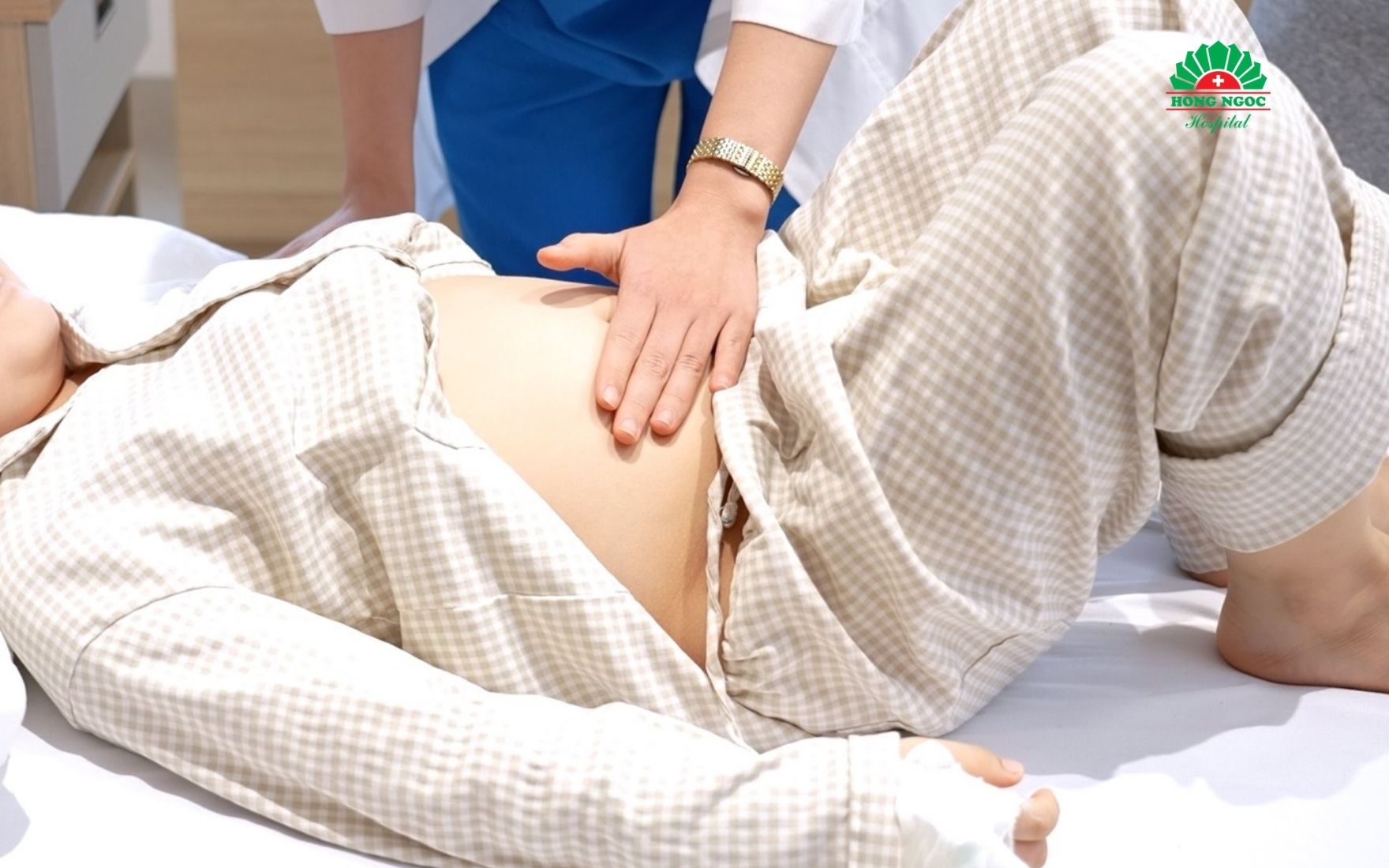
Through clinical examination and ancillary investigations including laboratory tests and abdominal ultrasound, the doctors diagnosed the pediatric patient with peritonitis caused by a ruptured appendix and purulent fluid spreading into the abdominal cavity, with a high risk of septic shock.
“During the emergency surgery, we found that the appendix was necrotic and had ruptured, with a large amount of purulent fluid spreading throughout the abdominal cavity. This indicated severe, widespread infection that could lead to septic shock and become life-threatening,” reported Dr. Bach Phuc Huy, Specialist Level I, Deputy Head of the Department of General Surgery at Hong Ngoc General Hospital, who directly performed the surgery.
A similar case involved patient H.K.A. (3 years old), who was admitted with abdominal pain, mild fever, vomiting, and a productive cough. According to the family, they initially believed the child was only experiencing a common digestive disorder. However, after clinical examination, the doctors diagnosed necrotic appendicitis, requiring emergency surgery to remove the appendix.
Similar to patient L’s case, during the intervention the surgical team discovered that the greater omentum was adherent to and encasing the entire appendix. Upon adhesiolysis, they found a swollen, suppurative appendix with multiple necrotic areas, posing a high risk of rupture and purulent fluid leakage. Dr. Bach Phuc Huy, Specialist Level I, and his team immediately performed adhesiolysis, resection, and complete removal of the appendix.
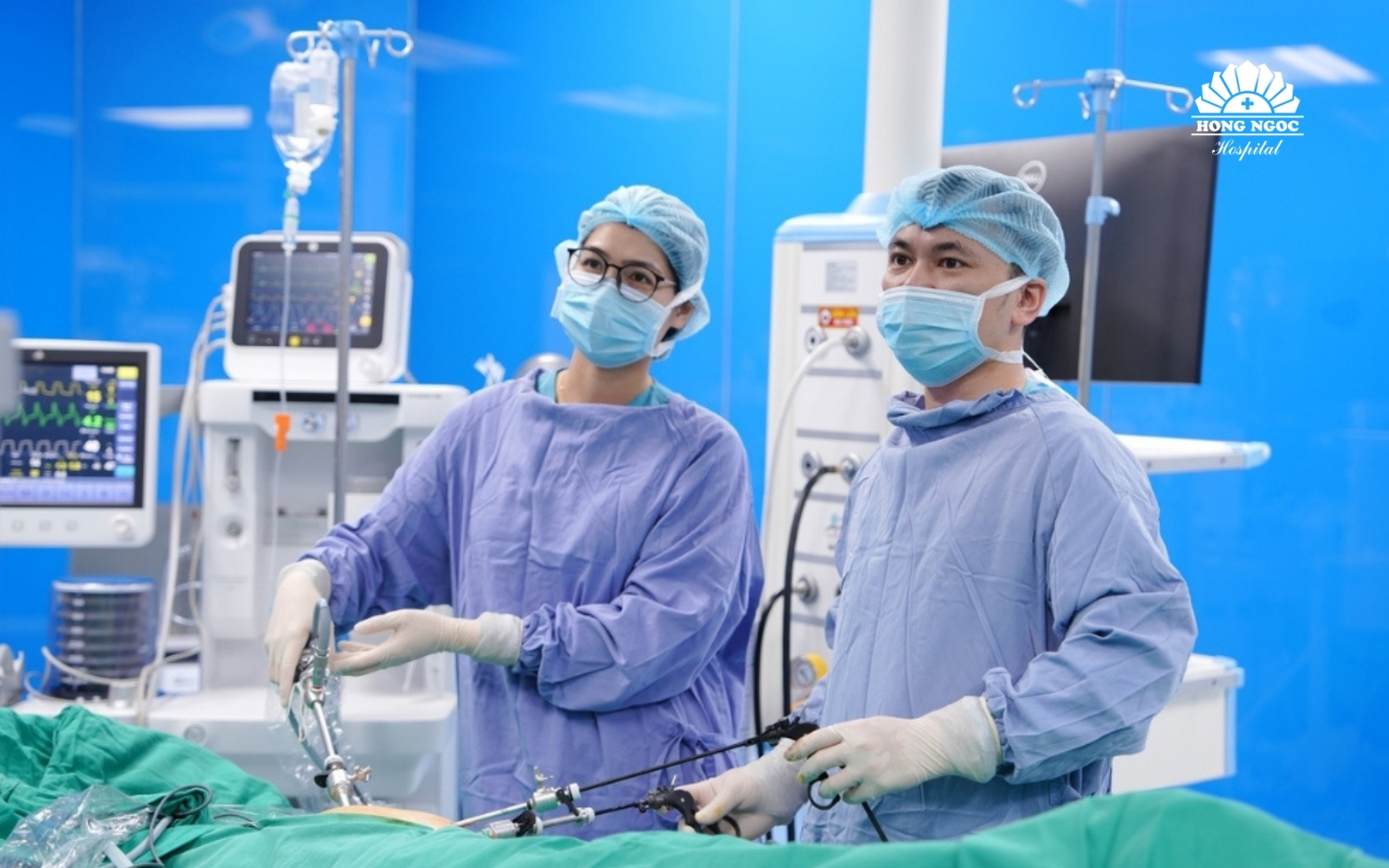
“Both pediatric patients were admitted in critical condition because their families assumed the children only had common digestive or respiratory illnesses. Fortunately, with timely laparoscopic appendectomy, both children were saved from the risk of septic shock—one of the most severe and life-threatening complications,” added Dr. Bach Phuc Huy, Specialist Level I.
Appendicitis in children can progress rapidly and become complicated – parents must never be negligent.
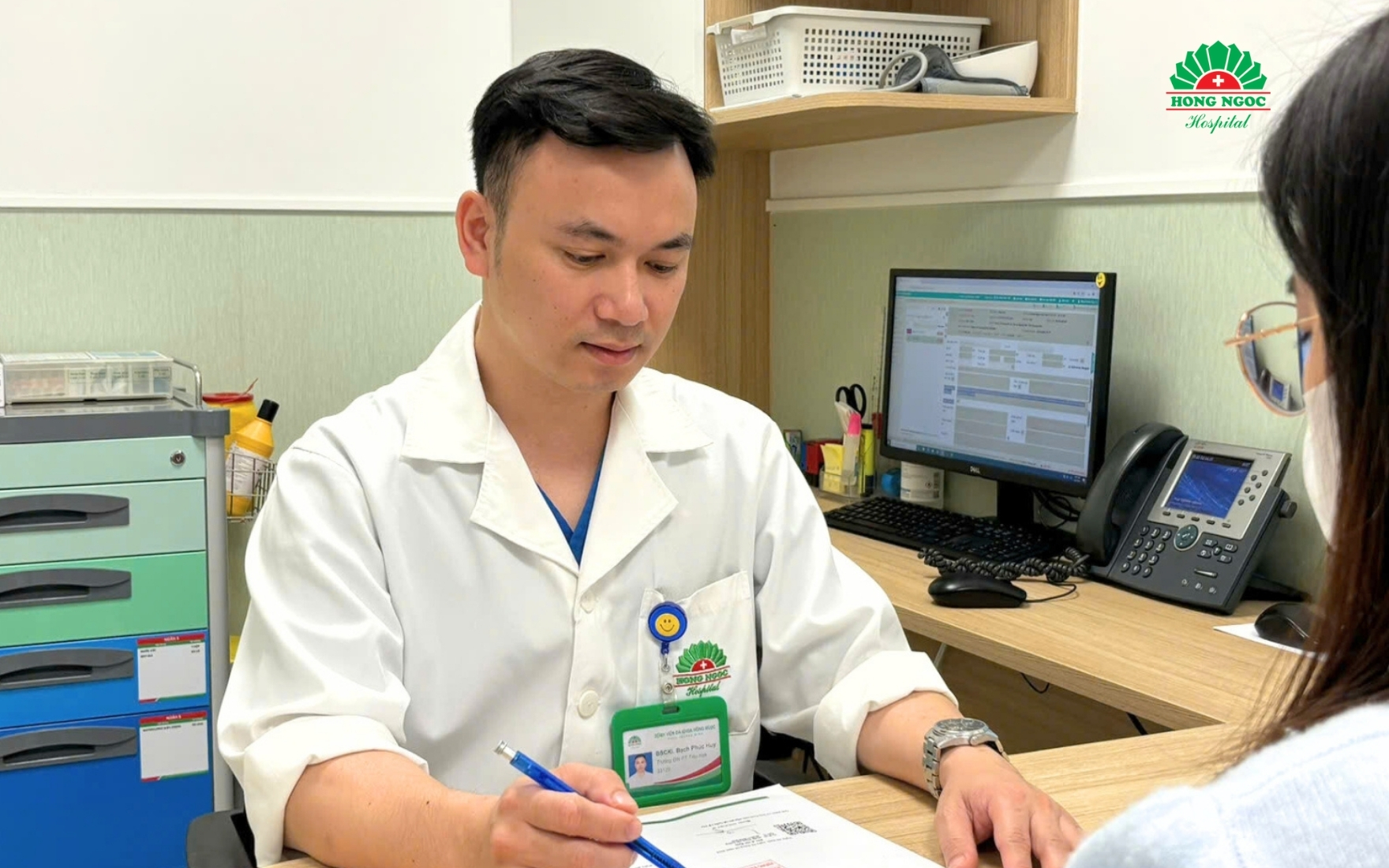
Dr. Bach Phuc Huy, Specialist Level I, Deputy Head of the Department of General Surgery at Hong Ngoc General Hospital, stated: “Appendicitis in young children often presents with nonspecific symptoms and progresses very rapidly. Within just a few hours, the inflammation can advance to necrosis and even rupture of the appendix, with purulent fluid spreading throughout the abdominal cavity, leading to peritonitis, severe infection, and the risk of septic shock and multiple organ failure if not treated promptly.”
In reality, young children are often unable to accurately describe the nature or location of their pain. In many cases, such as those of N.T.L. and H.K.A., the symptoms were mistaken for common digestive disorders, leading parents to underestimate the severity. Some children may continue to play and show little complaint of pain, causing the condition to be overlooked until it has already progressed to a severe stage.
According to Dr. Huy, when a child presents with symptoms such as abdominal pain around the navel or in the right iliac fossa, fever, vomiting, or digestive disturbances, families should consider the possibility of appendicitis and take the child for prompt medical evaluation. Parents are strongly advised not to attempt self-treatment at home or delay seeking care, as every passing hour may worsen the condition and even become life-threatening.
“If detected early, appendectomy is a straightforward procedure with rapid recovery. However, once the appendix has ruptured, the risks of complications such as peritonitis, abscess formation, sepsis, and septic shock are extremely high. At that point, the intervention becomes more complex, the child may have to undergo a major surgery, and prolonged treatment with high-dose antibiotics is required, significantly extending both hospitalization and recovery time,” emphasized Dr. Huy.
>>>Hotline: 0949 646 556 |