



Postpartum uterine prolapse is one of the serious postpartum complications. Mothers should seek early treatment for this condition to prevent adverse effects on their health and their ability to care for their baby.
What is postpartum uterine prolapse?
Uterine prolapse, also known as pelvic organ prolapse or vaginal wall prolapse, is a condition in which the uterus descends into the vaginal canal and, in severe cases, may protrude outside the vaginal opening. Uterine prolapse commonly occurs in women after childbirth.
This condition can directly affect a mother’s daily life, causing discomfort and, in severe cases, may even affect future fertility. Therefore, women should detect the condition early and seek timely treatment.
Stages of postpartum uterine prolapse
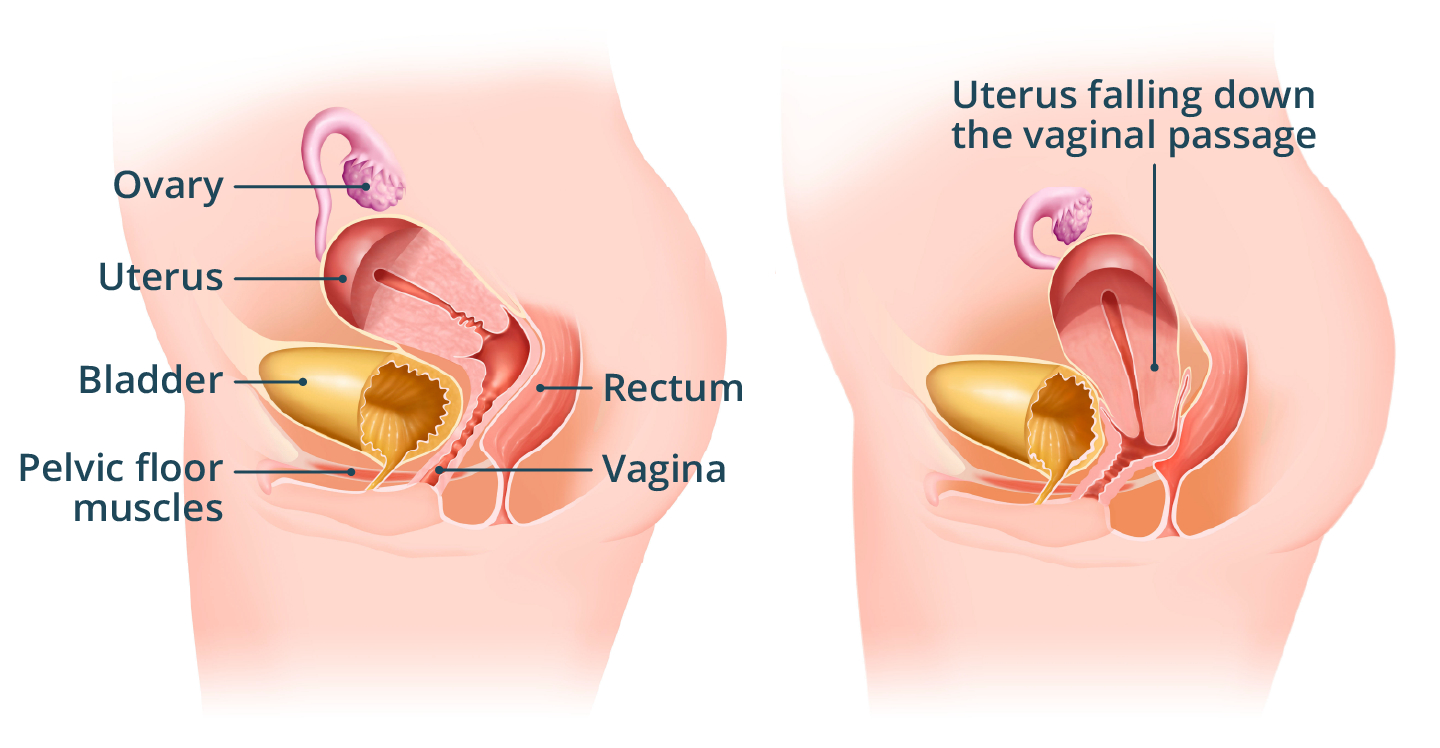
Postpartum uterine prolapse is divided into several stages, progressing from mild to severe as follows:
Stage 1: There are no obvious abnormal symptoms. The uterus remains in the upper half of the vagina. At this stage, the pelvic organs still function normally.
Stage 2: The cervix begins to descend into the vagina. Ultrasound imaging may show that the uterus has moved down close to the vaginal opening.
Stage 3: The cervix begins to protrude outside the vaginal opening.
Stage 4: The entire cervix protrudes completely outside the vagina.
Is uterine prolapse dangerous?
Uterine prolapse is a postpartum condition that may carry several potential health risks. If not treated early, it can lead to the following complications:
- Vaginal ulceration: This is a common complication in patients with stage 4 uterine prolapse. When the uterus protrudes completely outside the vagina, it can easily rub against clothing. Without early treatment, this may lead to infection and ulceration, causing pain and discomfort for the patient.
- Prolapse of other pelvic organs: If the uterus remains prolapsed for a long period without being repositioned, other pelvic organs, such as the fallopian tubes, bladder, and ovaries, may also be at risk of descending.
Register for the maternity care package via hotline at 0919 645 271 or fill out the form below.
Causes of postpartum uterine prolapse
Several factors may increase a woman’s risk of developing uterine prolapse, including:
- Twin pregnancy, multiple pregnancy, or a large fetus, which may require excessive straining during delivery and make the uterus more likely to descend.
- Overweight or obesity, which places increased pressure on the pelvic floor muscles.
- Chronic cough, which increases intra abdominal pressure and may lead to uterine prolapse.
- Complicated childbirth.
- A history of major pelvic surgery, which may weaken the pelvic tissues.
- Frequent heavy lifting with improper technique.
- Heavy physical labor after childbirth.
- Congenital uterine abnormalities, such as a bicornuate uterus or abnormal size of the cervix or uterine isthmus.
- Prolonged postpartum constipation or bowel movement disorders.

Who is at higher risk of uterine prolapse?
Uterine prolapse can occur in women over the age of 20. It is particularly common among women aged 50 to 70, with nearly half of women in this age group affected by the condition. According to obstetric specialists, women at higher risk of uterine prolapse include:
- Women who have had more than three vaginal deliveries
- Women who carried a very large fetus or had prolonged labor
- Women who lifted excessively heavy objects after childbirth
- Women in the perimenopausal or menopausal stage
Signs of uterine prolapse
Some women may not have obvious symptoms because uterine prolapse is still mild. Signs that women should pay attention to may include:
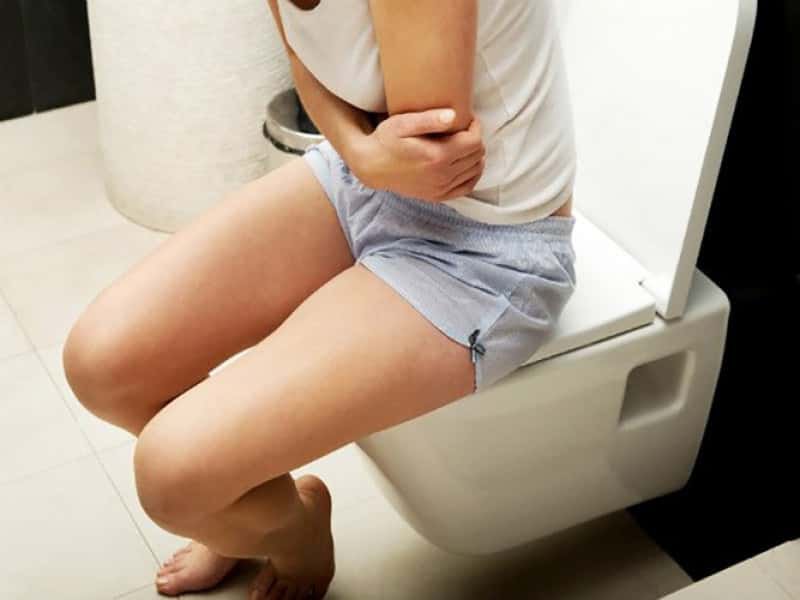
- Difficulty with bowel movements or urination, such as prolonged constipation or urinary retention
- A feeling of heaviness in the pelvic region
- A sensation of something protruding from the vagina
- Pain during sexual intercourse
- Persistent constipation
- Bleeding during sexual intercourse
How is uterine prolapse diagnosed?
The diagnosis of uterine prolapse is based on a combination of clinical symptoms and a comprehensive pelvic examination. Diagnostic methods may include:
- Manual pelvic examination to accurately determine the position of the uterus.
- Insertion of a speculum into the vagina to examine the vagina and cervix, allowing the doctor to observe and detect any bulging mass if uterine prolapse is present.
- Asking the patient to bear down while standing or lying on her back. This method can help assess the pelvic floor and evaluate the degree of uterine prolapse.
- In some cases, ultrasound may be indicated to determine the exact position and severity of uterine prolapse and provide the most accurate diagnosis.
Treatment of postpartum uterine prolapse
Uterine prolapse can be treated using different approaches, including surgical and non surgical methods.
Non surgical treatment
The following methods may help improve uterine prolapse:
- Maintain a healthy weight. If overweight, patients should lose weight to reduce pressure on the abdominal cavity.
- Avoid lifting heavy objects.
- Use a vaginal pessary to support the uterus.
- Perform exercises that strengthen the pelvic floor muscles, such as Kegel exercises.
- Use vaginal estrogen therapy.
These methods are usually effective only for mild cases or help relieve symptoms in severe cases, but they may not completely cure the condition.
Surgical treatment
For severe cases in which non surgical treatment methods are ineffective, surgery may be indicated. Surgical options include uterine suspension surgery or hysterectomy.
In uterine suspension surgery, the doctor shortens the supporting ligaments or uses medical materials to replace weakened pelvic floor structures. This helps support the pelvic organs and reposition the uterus to its original anatomical position.
This procedure may be performed through a vaginal approach or laparoscopic surgery. However, it is not recommended for women who plan to become pregnant, as the condition may recur easily because pregnancy increases pressure on the pelvic region.
In hysterectomy, the doctor fixes the vaginal cuff to the sacrum to prevent vaginal cuff prolapse and help correct vaginal wall prolapse.
Prevention of postpartum uterine prolapse
Uterine prolapse not only causes discomfort but also carries potential health risks and may affect future pregnancies. Therefore, the best approach is to prevent the condition from the beginning. The following measures may help:
- After childbirth, mothers should spend adequate time resting and avoid overexertion, strenuous labor, or lifting heavy objects.
- Gentle walking and light physical activity can help restore health and prevent postpartum constipation, thereby reducing pressure on the pelvic region.
- Ensure adequate nutrition to support recovery. Mothers should eat plenty of fruits and green vegetables and increase fiber intake to promote digestion and help prevent constipation.
- Drink plenty of water to support digestion and enhance breast milk production.
- Keep the mother warm and prevent coughing or catching a cold, as coughing increases pressure on the pelvic region and may lead to uterine prolapse.
The above information provides essential knowledge about postpartum uterine prolapse. By understanding this condition, mothers can take preventive measures, detect warning signs early, and seek timely treatment to minimize complications. Wishing all postpartum mothers good health so they can care for their babies in the best possible way.
Follow the Hong Ngoc Hospital Prenatal Class fanpage for more useful updates.