


Mumps is a contagious viral disease that can lead to complications affecting both physical health and reproductive health. Due to concerns about their children’s health, many mothers choose to have their children vaccinated against mumps from an early age. Let’s learn more in the information below.
What is mumps? Is mumps contagious?
Mumps is a contagious disease caused by a virus. It commonly causes inflammation of the salivary glands and can spread from person to person through contact with respiratory secretions or saliva from an infected individual.
Symptoms of mumps include fever, headache, sore throat, and swelling of the salivary glands around the ears, face, or neck. Mumps is highly contagious, especially in the days before and after salivary gland swelling appears. Contact with respiratory droplets or secretions from an infected person can lead to transmission.
Mumps may cause several serious complications, such as orchitis, oophoritis, pancreatitis, and especially encephalitis. If not treated promptly, the disease may seriously affect reproductive function and can even be life threatening.
What are the benefits of mumps vaccination?
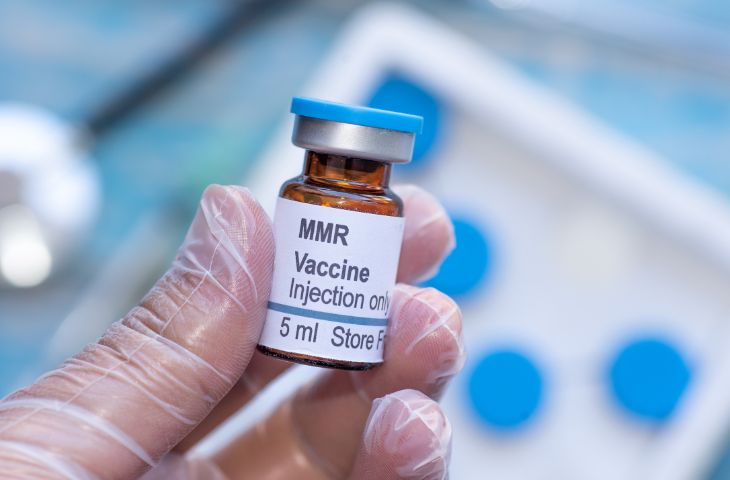
Currently, there is no single mumps vaccine available, as mumps vaccination can be given in combination with other vaccines. In Vietnam, the most commonly used vaccine for mumps prevention is the combined MMR vaccine. This vaccine helps protect against three diseases at the same time: measles, mumps, and rubella. The MMRV vaccine, which protects against measles, mumps, rubella, and chickenpox, is also available in some countries, but it is not widely used because it may cause side effects such as high fever and seizures.
The mumps vaccine contains the mumps virus, but the virus has been weakened and can no longer cause disease in the human body. When injected into the body, the vaccine stimulates the immune system to produce antibodies against the virus. These antibodies can create a protective “shield” for the body if it is exposed to the virus in the future, helping prevent the disease or at least reduce its severity.
The benefits of mumps vaccination include:
- Preventing mumps infection
- Reducing the severity of the disease
- Preventing complications associated with mumps
Mumps vaccination is an effective preventive measure and is recommended for everyone, especially children.
Contact the hotline at 0949 416 006 or register HERE.
When should mumps vaccination be given?
Experts recommend that everyone receive mumps vaccination to help protect their health. Two doses of the mumps vaccine are necessary to achieve optimal protection. For people who travel frequently, vaccination before visiting areas where the disease is circulating can also help ensure their safety.
The combined MMR vaccine is administered according to the following schedule:
- Adults: A single dose is injected into the upper arm, with a dose of 0.5 mL.
- Children: Two doses are given. The first dose is administered when the child is 12 to 18 months old, and the second dose is given at 4 to 6 years of age.
Who should receive mumps vaccination?
As mentioned above, mumps vaccination should be considered a community wide preventive measure. In particular, if you belong to one of the following groups, you should consider receiving the mumps vaccine as soon as possible:
- Children: Because their immune systems are still immature, children are among the groups most vulnerable to rapid viral transmission. Therefore, mumps vaccination is necessary to provide comprehensive health protection for young children.
- Adults who have not been vaccinated against mumps or have never had mumps
- People working in community based fields, such as healthcare, education, or childcare, should receive mumps vaccination to protect their own health as well as the health of those around them.
- People with weakened immune systems or those using immunosuppressive medications
In addition, mumps vaccination should also be considered for people who frequently travel or visit areas with a high risk of infection.
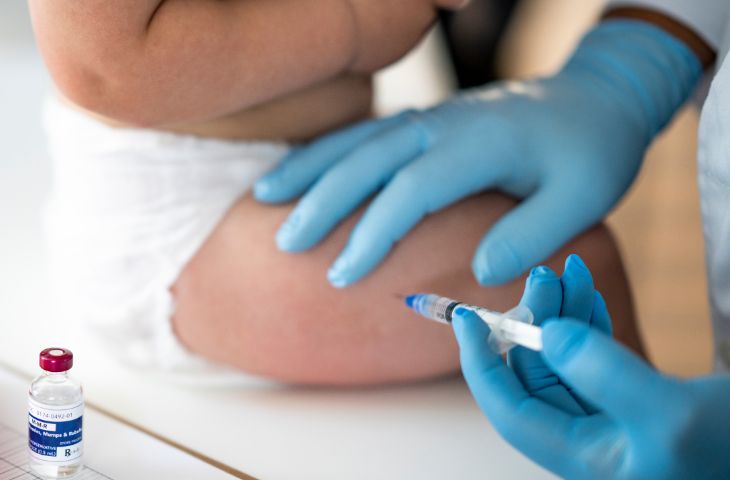
Can mumps vaccination completely prevent the disease?
MMR vaccination, which protects against measles, mumps, and rubella, is considered an effective immunization method for preventing mumps. However, this vaccine does not provide complete protection against mumps, with effectiveness ranging from 75% to 95%. This is because the combined vaccine does not offer absolute protection. In addition, vaccine effectiveness may vary depending on age, health status, and each individual’s immune response.
Although the MMR vaccine cannot guarantee that a person will never develop mumps, it can reduce the risk of infection and lessen disease severity if infection occurs. Mumps vaccination plays an important role in controlling and preventing the spread of mumps in the community.
Important notes on mumps vaccination
Side effects after mumps vaccination
Most side effects after mumps vaccination do not significantly affect daily life or routine activities. The most common symptoms include:
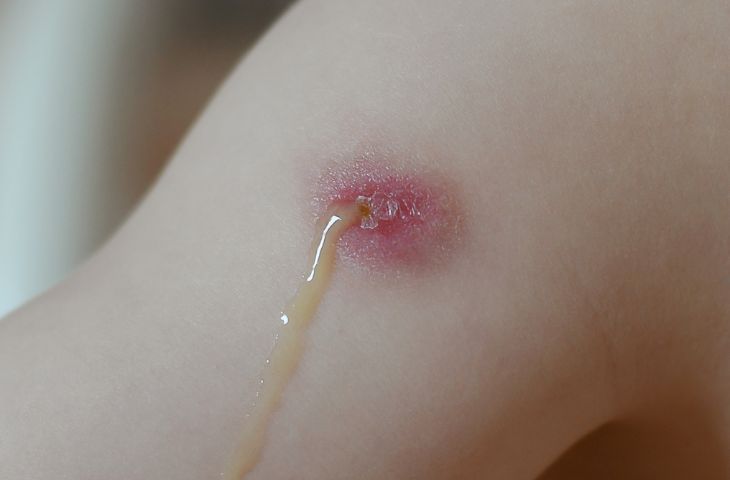
- Swelling, pain, and redness at the injection site. Muscle pain may also occur.
- Headache, fatigue, and mild fever.
- Allergic reactions, such as rash or nausea.
Most of these reactions usually resolve within 48 hours after vaccination. However, if severe reactions occur, such as high fever with seizures, the patient should go to a medical facility immediately for timely examination and management.
Individuals who should not receive mumps vaccination
Although mumps vaccination is generally safe and effective in preventing the disease, some individuals should not receive the MMR vaccine, including:
- People with a severe allergy to any component of the MMR vaccine.
- People who had a reaction after the first dose of the MMR vaccine or have a history of poor vaccine response.
- Pregnant women and women who are breastfeeding.
- Women should wait at least 3 months after vaccination before becoming pregnant to avoid potential effects on the fetus.
People with thrombocytopenia-related disorders or coagulation disorders should also exercise caution before receiving mumps vaccination.
Important notes on mumps vaccination for children
Young children are vulnerable to bacterial and viral infections because their immune systems are still immature. Some important notes on mumps vaccination for children include:
- Children should receive mumps vaccination as early as recommended to help provide the best possible health protection.
- Parents should monitor their child’s health before vaccination. When taking the child for vaccination, mothers should inform the doctor about the child’s medical history and any history of allergies. Children should absolutely not be vaccinated while they have a fever or are ill.
- After mumps vaccination, parents should closely monitor the child’s health. If the child develops reactions such as persistent high fever, repeated vomiting, or seizures, parents should contact a medical facility immediately for timely consultation and care.
- Children should drink enough water and get adequate rest after vaccination.
- Even if children have received the mumps vaccine, preventive measures are still necessary to avoid infection from others. Children should avoid close contact with people who have mumps and wash their hands regularly to help prevent disease transmission.
Where is the best place to receive mumps vaccination?
Mumps vaccination is very important for preventing the disease and reducing the risk of serious complications. The World Health Organization recommends mumps vaccination to help protect individual and community health.
Hong Ngoc Healthcare System is a trusted destination for mumps vaccination, chosen by many families for its reputation, service quality, and medical expertise. Hong Ngoc Vaccination Center uses directly imported MMR vaccines, with strict quality control at every stage, from receiving and inventory inspection to vaccine lot release for administration. All vaccines are stored in cold storage facilities that meet GSP standards set by the Ministry of Health. All vaccination rooms follow safety procedures for vaccine preservation and administration.
Hong Ngoc Vaccination and Consultation Center is staffed by a highly qualified and professional medical team. Vaccinating doctors are experienced pediatricians who understand children’s psychology. Before vaccination, 100% of children undergo pre vaccination screening and are carefully monitored for post vaccination reactions.
In particular, parents are encouraged to choose a comprehensive vaccination package for their child to receive vaccination schedule reminders, save costs, and avoid vaccine shortages.
Contact information
Hotline: 0911 858 616 – 0949 416 006 – 0947 616 006
Tel: 0243 927 5568, extension *1
Follow the Facebook fanpage of Hong Ngoc General Hospital for more useful information.