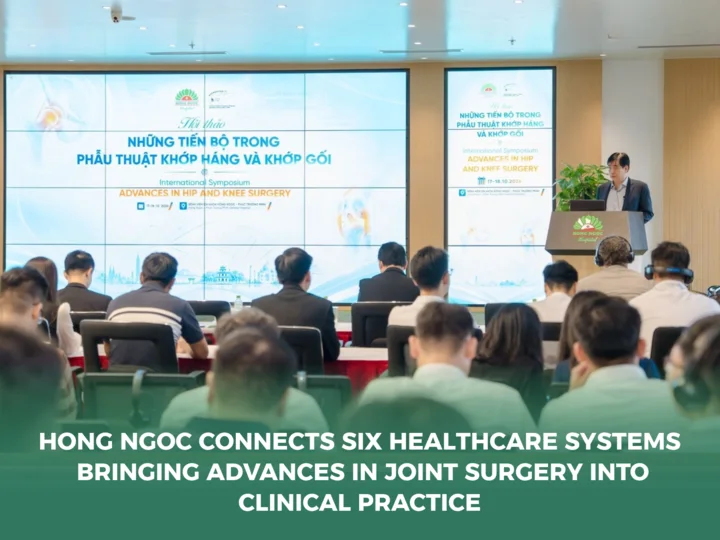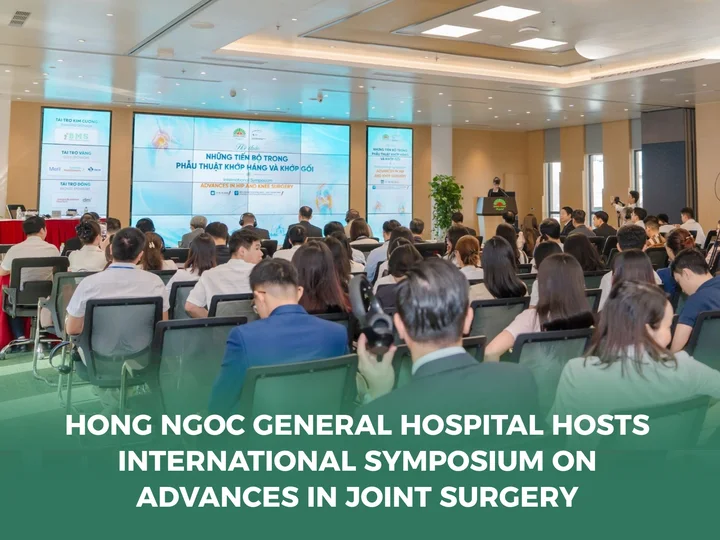



Hong Ngoc Phuc Truong Minh General Hospital has performed a SuperPATH total hip arthroplasty, broadcast live at an international symposium.
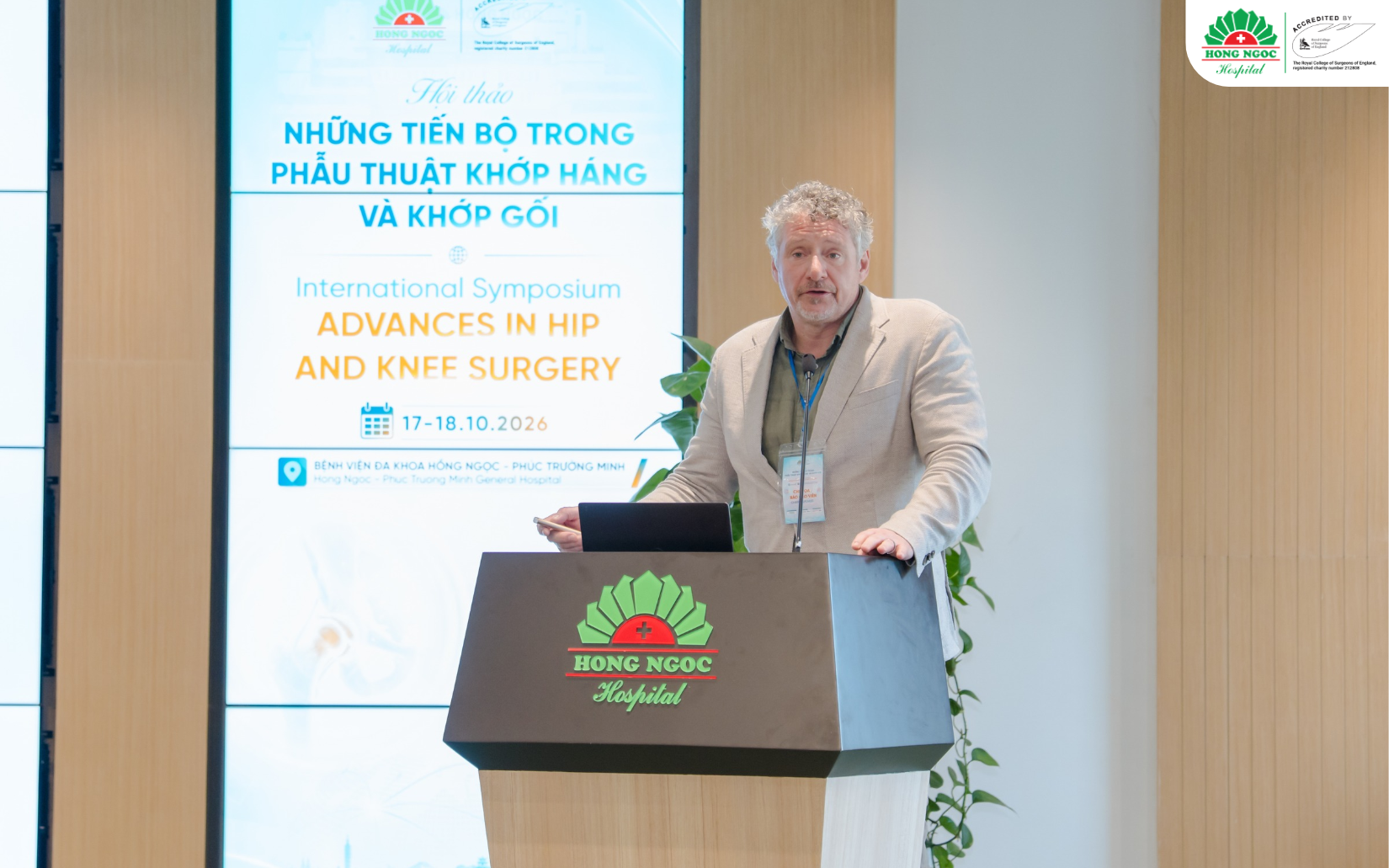
Held on October 17 - 18, 2026, at Hong Ngoc Phuc Truong Minh General Hospital, the international symposium “Advances in Hip and Knee Surgery” brought together 13 experts from six healthcare systems and featured 18 presentations on developments in hip and knee surgery.
Alongside the scientific presentations, two surgical demonstrations were broadcast live from the operating room to the conference hall. One featured total hip arthroplasty using the SuperPATH technique, connecting specialist knowledge with clinical practice and giving physicians the opportunity to observe the procedure being performed and exchange professional insights.
The programme also reflected the hospital’s approach to surgical training in line with the standards of the Royal College of Surgeons of England (RCS), combining theory with hands-on practice and drawing on the expertise and clinical experience of its teaching faculty.
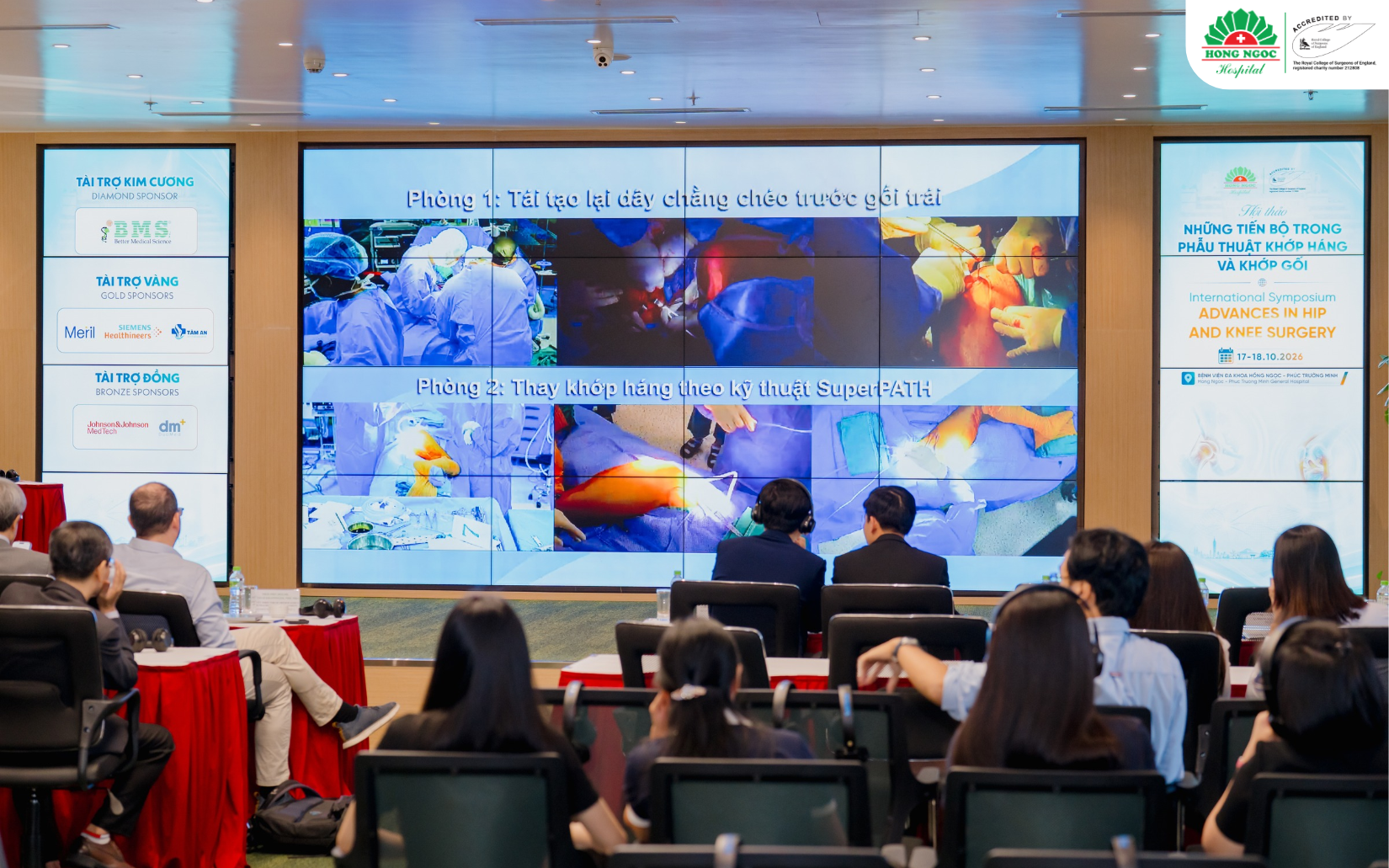
The total hip arthroplasty using the SuperPATH approach was performed by resident physician Pho Minh Duc, MD, MSc, and Pham Van Dao, MD, Specialist Level I, from the Department of Orthopaedic Trauma and Neurosurgery at Hong Ngoc Phuc Truong Minh General Hospital, with expert guidance from Joerg Beardi, Head of Orthopaedics and Trauma Surgery at Klinikum Werra-Meissner Hospital, Eschwege, Germany.
Nguyen Van Thuong, a 46-year-old patient from Hanoi, came to Hong Ngoc Phuc Truong Minh General Hospital with pain and limited movement in his right hip. Following a clinical examination and MRI scan, he was diagnosed with grade IV osteonecrosis of the femoral head.
Le Quang Huy, MD, PhD, Head of the Department of Orthopaedic Trauma and Neurosurgery at the hospital, examined the patient and discussed the surgical options with him. He said: “The patient is relatively young and of working age. In choosing a surgical approach, we need to consider not only pain relief but also the potential for recovery and the stability of the artificial joint, so he can regain mobility and return to work.”
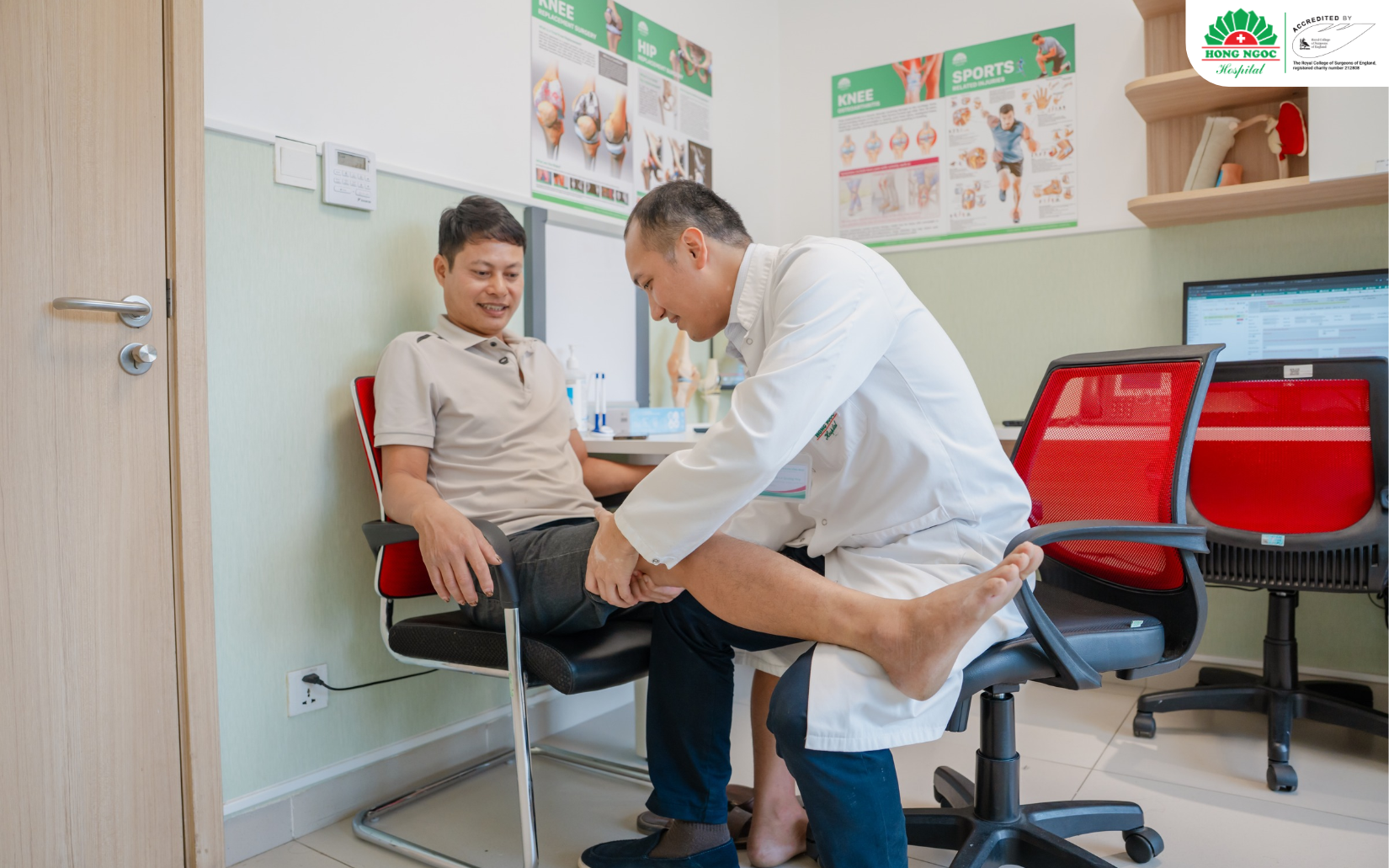
After assessing the extent of the damage and consulting with international experts, the surgical team opted for total hip arthroplasty using the SuperPATH approach, a minimally invasive technique that aims to preserve the soft tissue structures around the joint.
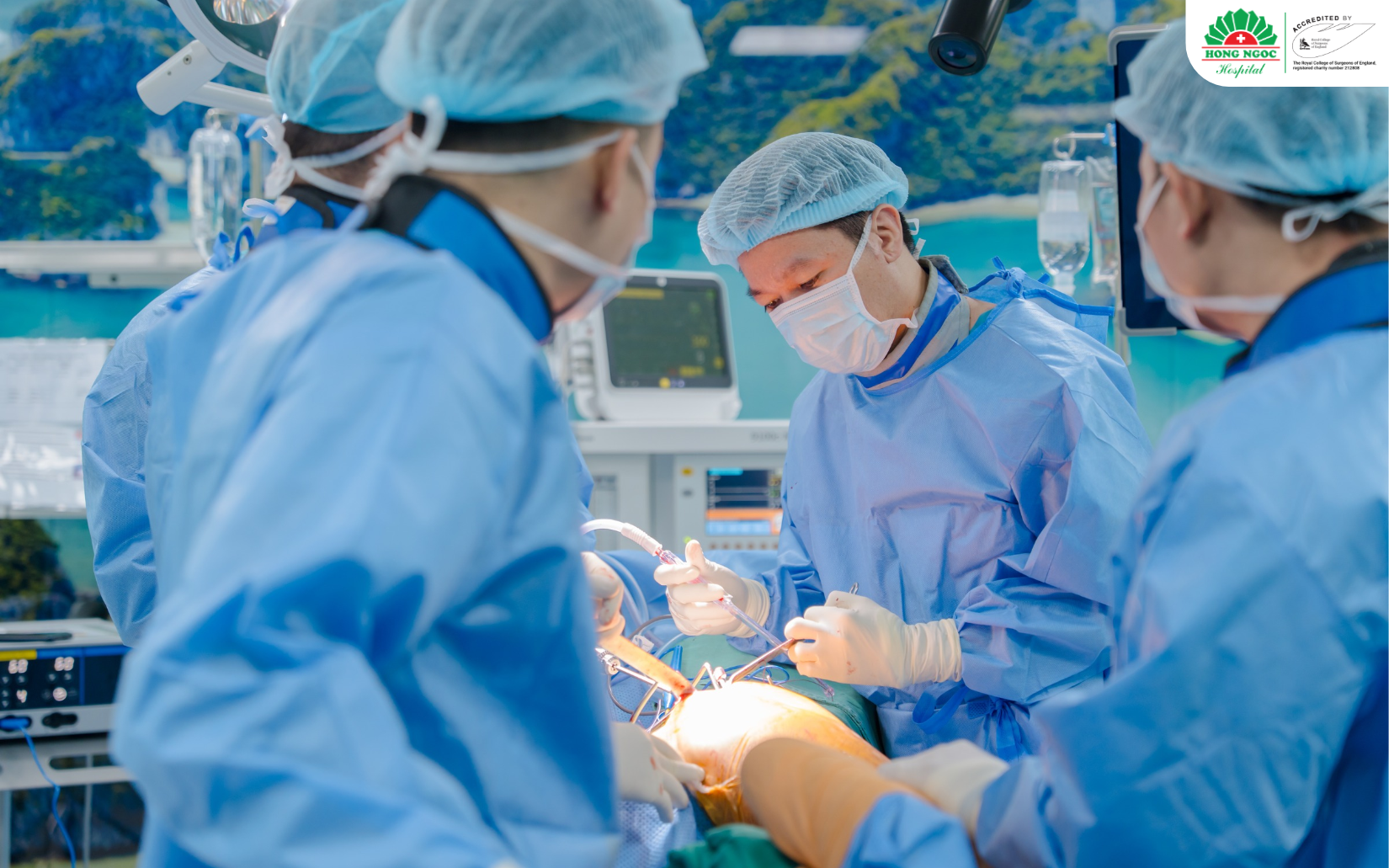
Commenting on the technique, Dr. Joerg Beardi said: “The SuperPATH approach can help preserve the muscle groups and hip capsule while limiting soft tissue damage during surgery. Preserving the capsule helps retain sensory nerve endings involved in proprioception - the sense of joint position and movement which may help patients experience the artificial hip as more natural after surgery. It may also support faster recovery, with patients able to walk within 24 hours of surgery if their health allows.”
The entire procedure was broadcast live from the operating room to the conference hall. With expert guidance from Dr. Joerg Beardi, resident physician Pho Minh Duc, MD, MSc, and Pham Van Dao, MD, Specialist Level I, performed total hip arthroplasty using the SuperPATH technique. The approximately 10 cm incision helped limit soft tissue damage and preserve the muscles around the joint. The surgeons removed the necrotic femoral head and implanted an artificial joint to restore mobility.
Twenty-four hours after surgery, Thuong began walking with crutches. He continued to receive monitoring and guidance through an individualised rehabilitation programme focused on improving range of motion, strengthening the muscles and gradually regaining mobility.
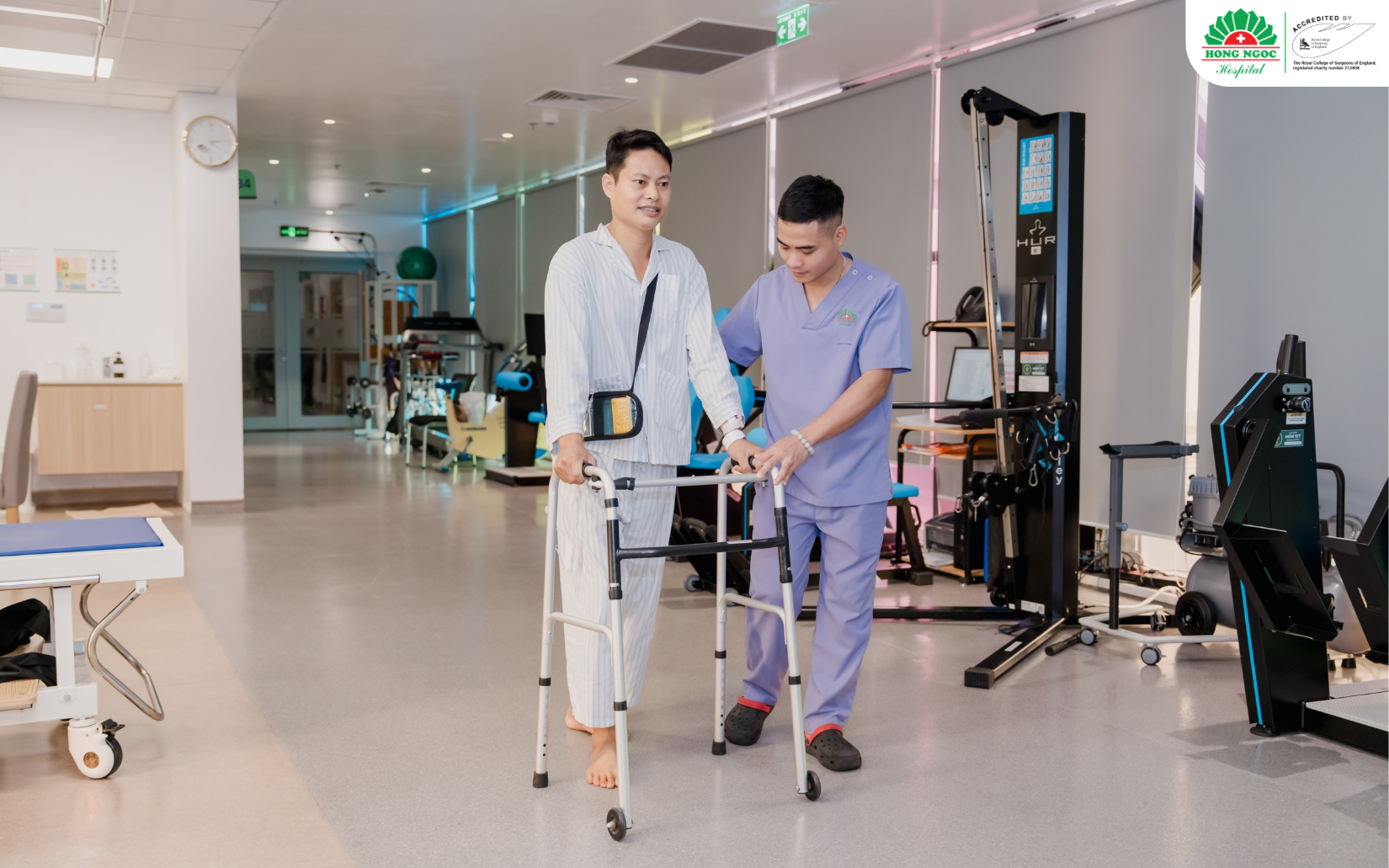
Advances in hip surgery give patients more treatment options tailored to the extent of joint damage and their mobility needs. These approaches aim to relieve pain, reduce blood loss, preserve soft tissues and shorten postoperative recovery. The live surgical demonstration also gave physicians an opportunity to explore the SuperPATH technique in greater depth from selecting an approach based on the patient’s hip condition, anatomy and mobility needs to key considerations during surgery and rehabilitation with the aim of individualising treatment.
On October 17, the symposium focused on advances in hip and knee surgery and arthroscopy. Presentations covered minimally invasive hip surgery, kinematic alignment in total knee arthroplasty, and the use of robotics and artificial intelligence in surgery. Experts also shared their experience in managing revision cases involving bone loss, graft failure, recurrent ligament injuries and periprosthetic fractures.