

On 25 November 2026, Hong Ngoc General Hospital welcomed a delegation of Israeli medical experts to its Yen Ninh and Phuc Truong Minh facilities and hosted a clinical seminar on assisted reproduction, obstetrics and gynaecology, and the application of artificial intelligence (AI) in healthcare. The event enabled experts from both sides to share clinical experience and explore opportunities for future international collaboration.
Visits and discussions on care models and multidisciplinary treatment
As part of the programme, the Israeli delegation held meetings with hospital teams and toured Hong Ngoc General Hospital’s two facilities, learning about the work of specialist departments and centres, including the IVF Centre, Obstetrics and Gynaecology Department, and Women’s Health Centre.
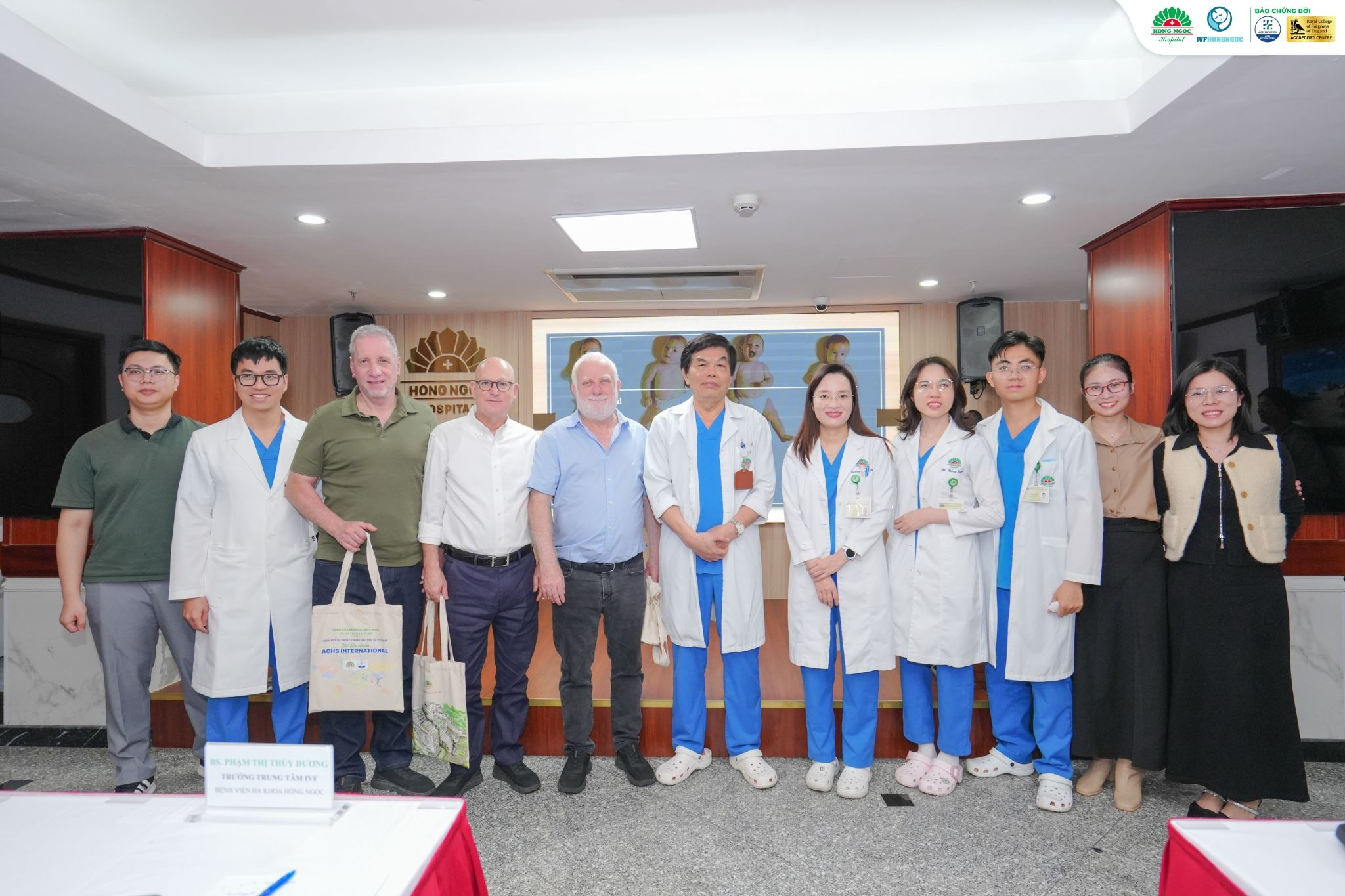
Alongside presentations on the hospital’s facilities and clinical services, both sides discussed the role of multidisciplinary care throughout assessment, treatment and ongoing patient care. This approach is particularly important in assisted reproduction, where reproductive health, gynaecological conditions, endocrine disorders and pregnancy are closely interconnected.
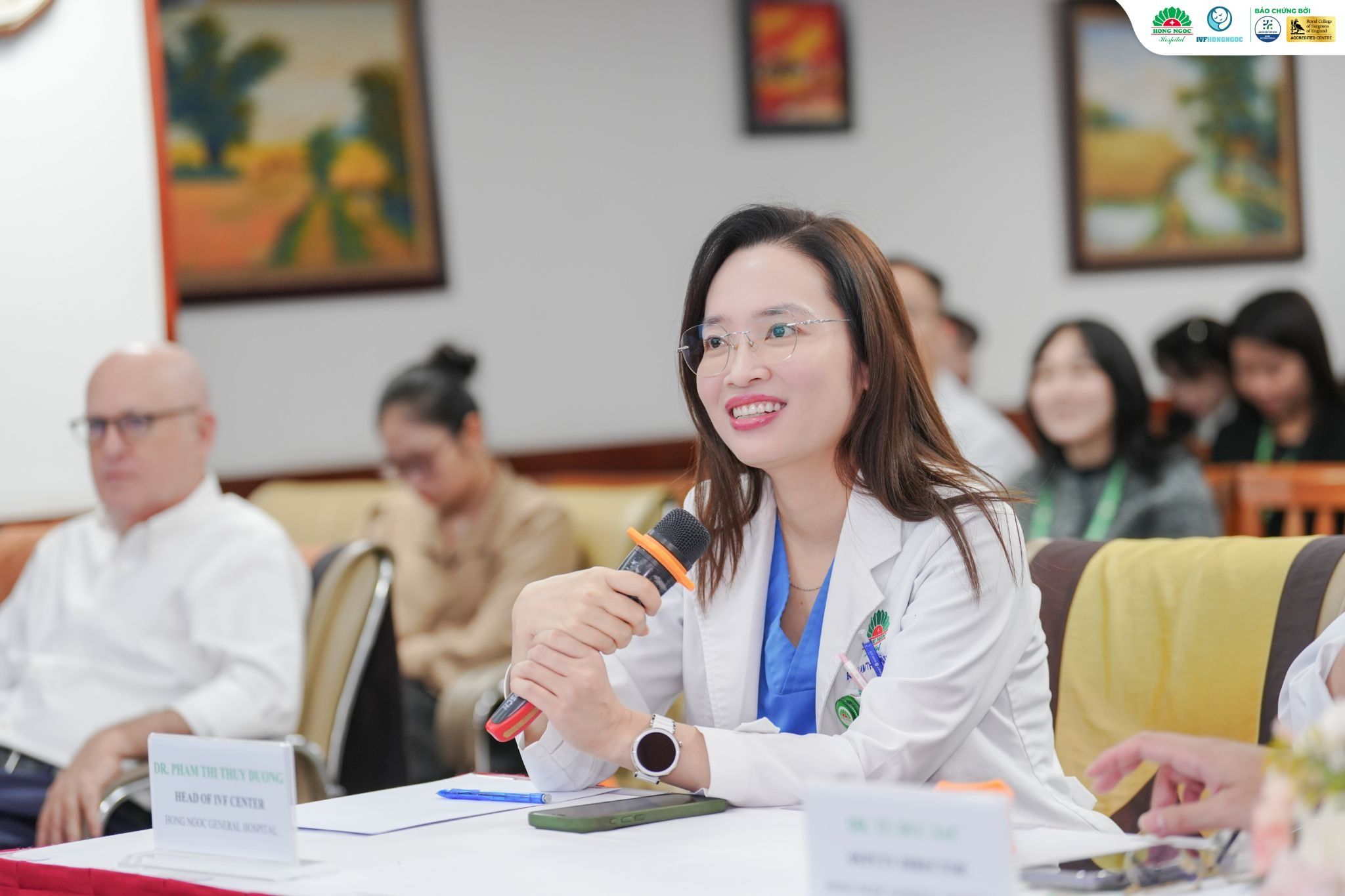
Given the need for comprehensive assessment and individualised care in infertility treatment, coordination between IVF, obstetrics and gynaecology, and other relevant specialties is important in developing treatment and follow-up plans. Discussions at both facilities broadened clinical perspectives and explored approaches suited to day-to-day practice.
Scientific seminar explores practical issues in IVF and obstetrics and gynaecology
The seminar brought together a large number of doctors and healthcare professionals from the IVF Centre and the Obstetrics and Gynaecology Department.
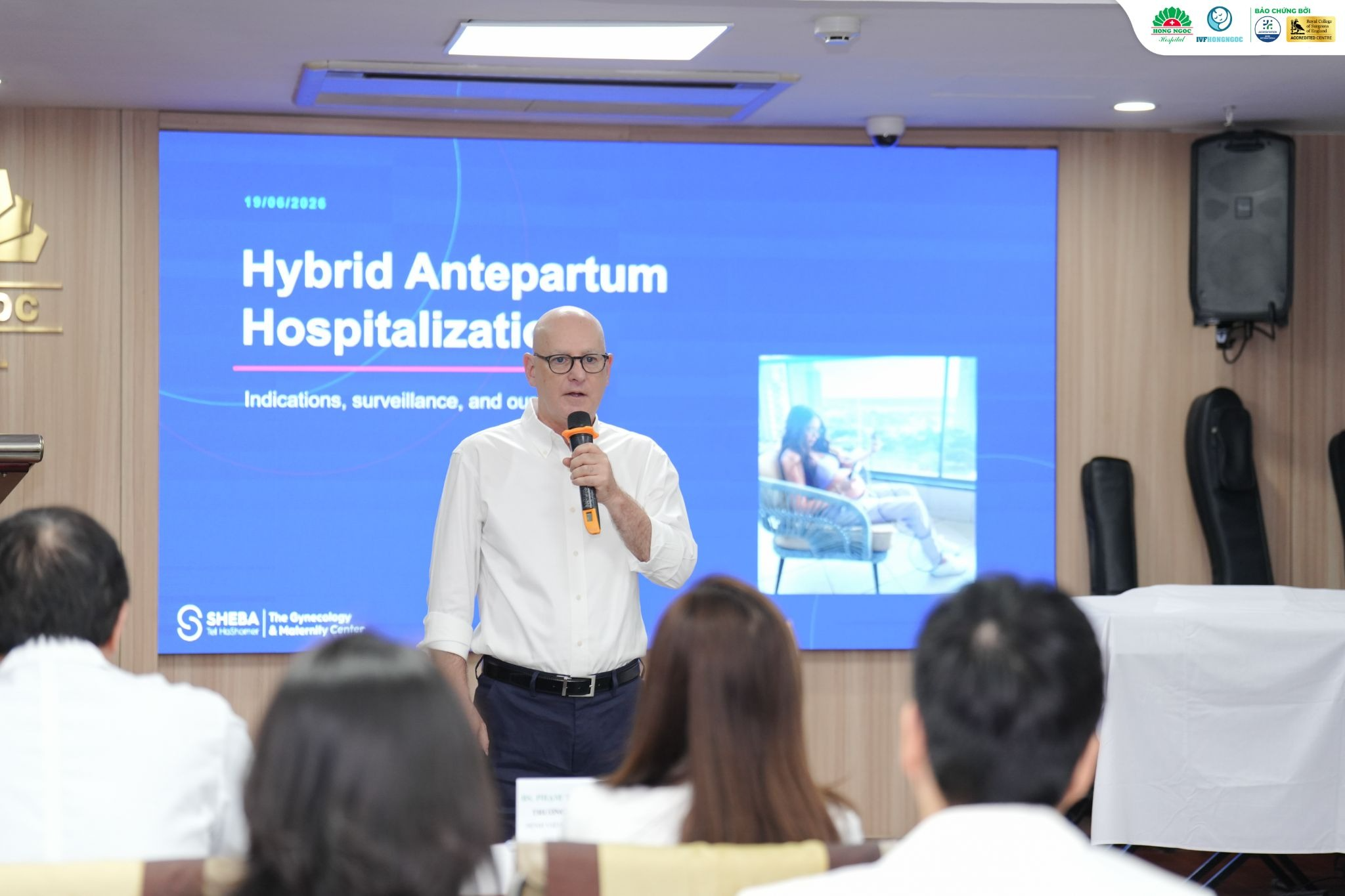
The morning session at the Yen Ninh facility was chaired by Dr. Tu Duc Sac, Specialist Level I, Deputy Director of the hospital. Opening the session, Assoc. Prof. Eyal Sivan, MD, from the Obstetrics and Gynaecology Centre at Sheba Medical Center, presented the high risk pregnancy care model used at his institution. Under this model, some pregnant women can be monitored at home rather than staying in hospital for extended periods. With medical devices connected to smartphones, they can monitor fetal heart rate, blood pressure and blood glucose, and may even undergo ultrasound examinations under the remote guidance of healthcare professionals. The presentation also explored practical considerations in organising care and coordinating treatment for pregnant women who require specialised monitoring.
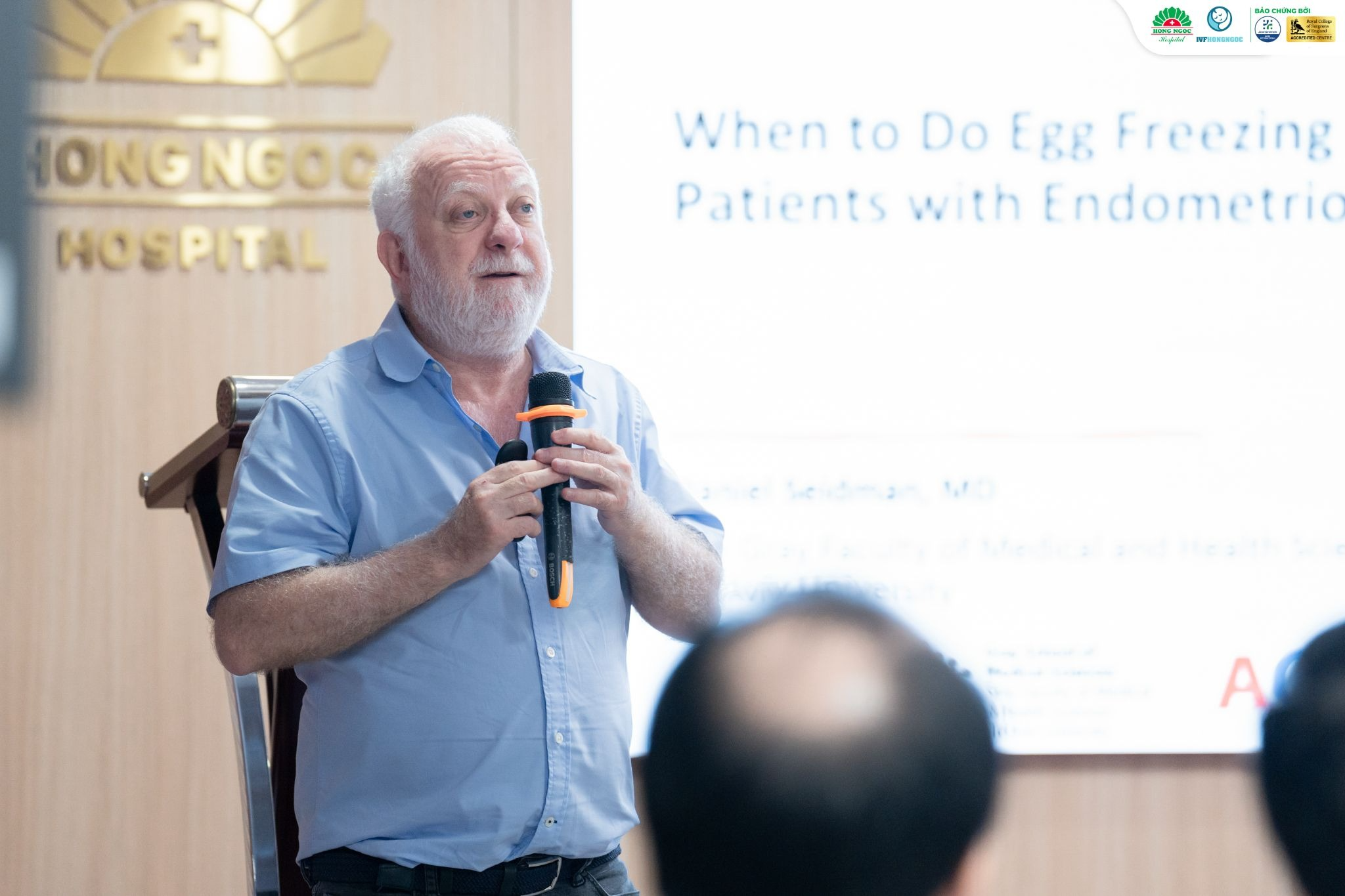
Assoc. Prof. Daniel S. Seidman of Assuta Medical Center then addressed key considerations in preserving fertility for patients with endometriosis. His presentation focused on when to consider egg freezing, treatment approaches for these patients, and the potential role of artificial intelligence (AI) in supporting clinical practice. These topics have practical implications for assessing reproductive health, counselling patients on fertility preservation and developing treatment plans tailored to each individual.
The seminar also addressed the treatment of a thin endometrium, focusing on challenges in assisted reproductive practice and possible treatment approaches. Assessment needs to take into account multiple factors, including the underlying condition, treatment history and each patient’s response, requiring careful consideration when selecting an approach and developing a treatment plan.
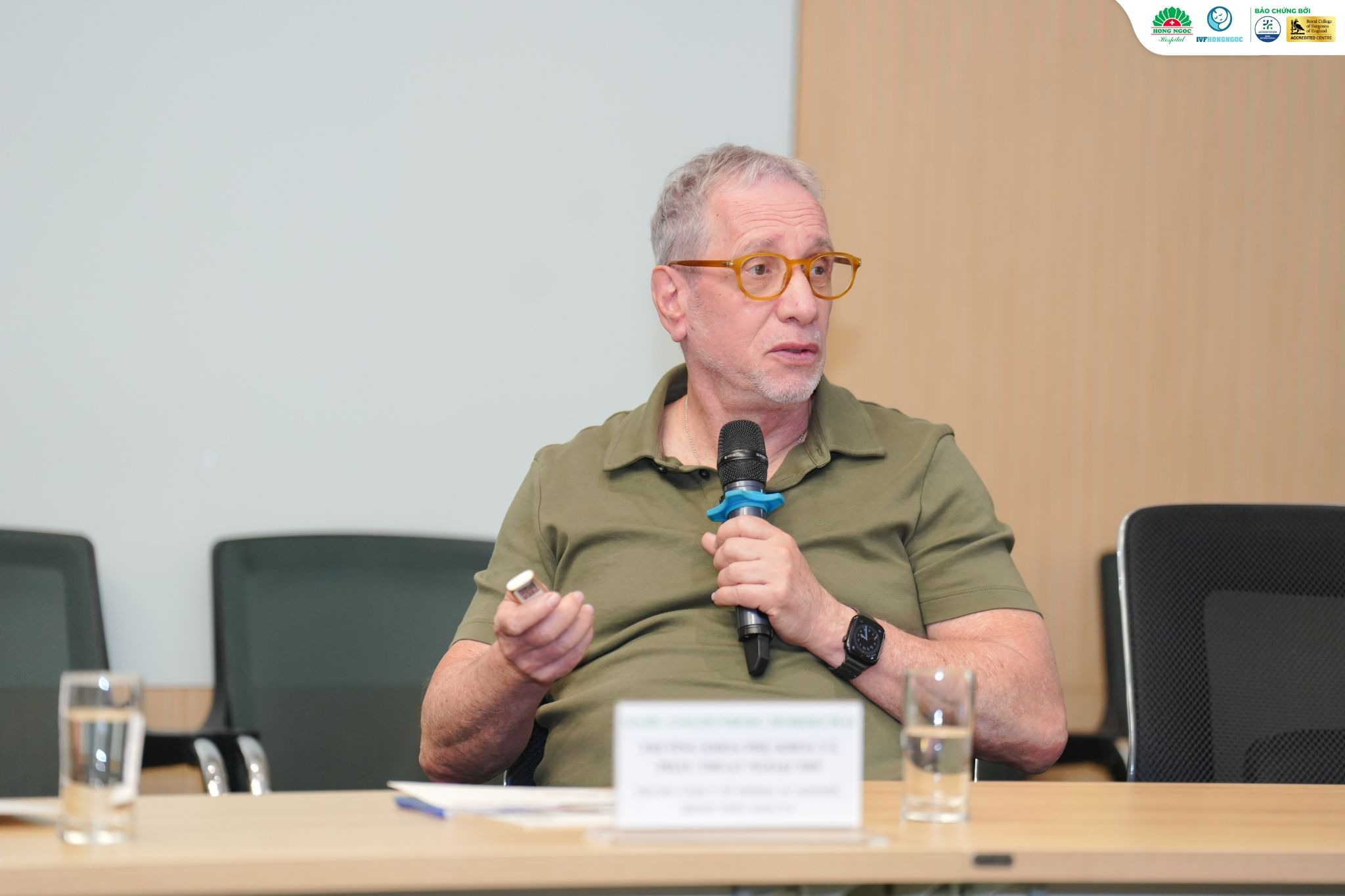
During the afternoon session, Assoc. Prof. Mordechai Goldenberg presented on “Hysteroscopic Treatment of Intrauterine Adhesions and Prevention of Recurrence”. Framing the challenge as, “Dividing the adhesions is the easy part. Keeping the uterine cavity open and the endometrium functional is the real challenge,” he discussed hysteroscopic treatment and strategies to reduce the risk of adhesions recurring.

The presentations and discussions examined clinical issues from different perspectives, giving doctors an opportunity to share practical experience, update their knowledge and discuss approaches to infertility treatment.
Strengthening professional links to improve the quality of care
The presentations and discussions also offered the Hong Ngoc team fresh perspectives on clinical practice, helping doctors update their knowledge and learn about international experience and emerging approaches in assisted reproduction and obstetrics and gynaecology.

The programme strengthened academic and professional ties between Hong Ngoc’s healthcare team and Israeli experts. It also provides a foundation for the Hong Ngoc IVF Centre to continue updating its clinical expertise, enhance multidisciplinary collaboration and refine treatment approaches, with the aim of improving reproductive healthcare and supporting patients on their journey to parenthood.