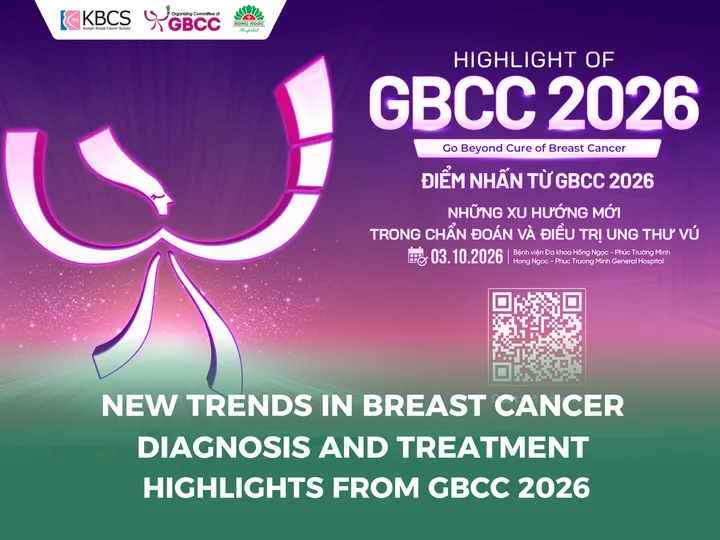



On 3 October, Hong Ngoc Phuc Truong Minh General Hospital hosted the conference “New Trends in Breast Cancer Diagnosis and Treatment: Highlights from GBCC 2026”, bringing together 10 speakers from South Korea and Vietnamese experts, with more than 100 doctors and healthcare professionals in attendance.
The event was jointly organised by Hong Ngoc Phuc Truong Minh General Hospital, the Organising Committee of the Global Breast Cancer Conference (GBCC) and the Korean Breast Cancer Society (KBCS).
Across four scientific sessions, the conference brought key updates from GBCC 2026 in Seoul to Vietnam, enabling physicians to discuss their potential application in clinical practice. Discussions focused on reducing the extent of surgery in appropriately selected patients, individualising treatment and applying artificial intelligence to breast imaging.
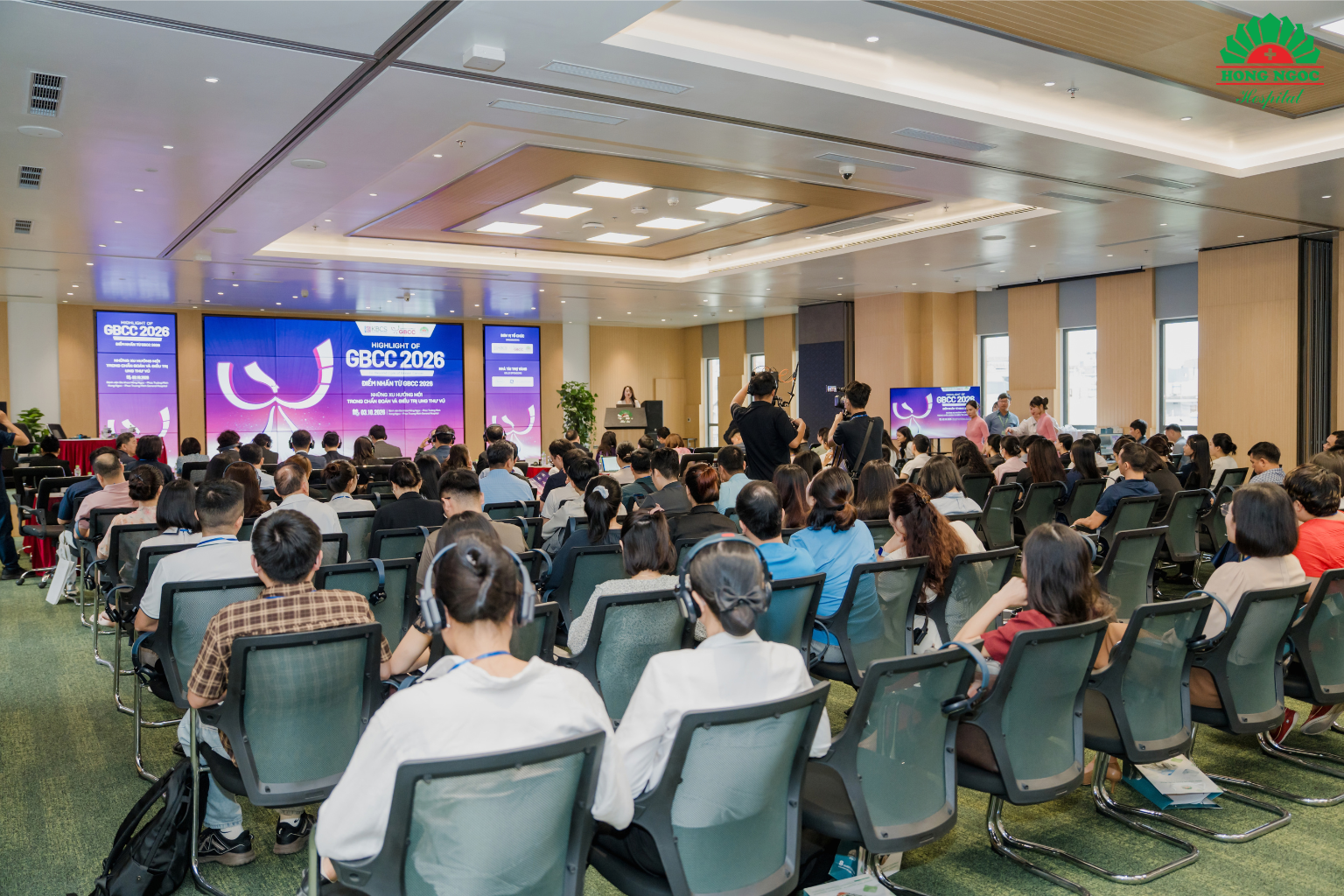
An overview of the conference “New Trends in Breast Cancer Diagnosis and Treatment: Highlights from GBCC 2026”
Breast cancer is the most common cancer among women in Vietnam. According to GLOBOCAN 2024, Vietnam recorded an estimated 25,711 new breast cancer cases in 2024, accounting for 28.1% of all new cancer cases among women. This concerning figure underscores the urgent need to strengthen early detection and advance the research and application of more effective treatments tailored to individual patients.
Today, however, breast cancer care extends beyond early detection and disease control. It also raises important new questions: When can the extent of surgery be reduced? Which patients require more intensive adjuvant therapy? How can the most appropriate treatment be selected according to the tumour’s biological characteristics? And to what extent can artificial intelligence assist physicians in breast imaging?
These questions reflect the shift in breast cancer care from a uniform approach towards more precise, patient-centred strategies. Each clinical decision must take multiple factors into account, including disease stage, histopathological characteristics, risk of recurrence, response to neoadjuvant therapy, the potential for preserving physical appearance and quality of life after treatment.
Against this background, the conference “New Trends in Breast Cancer Diagnosis and Treatment: Highlights from GBCC 2026” was organised to bring key updates from this specialised breast cancer forum closer to clinical practice in Vietnam.
The Global Breast Cancer Conference (GBCC) is one of Asia’s leading specialised breast cancer conferences, bringing together experts, physicians and major cancer centres from around the world. Over nearly two decades, it has developed a cross-border academic network supported by numerous hospitals, universities and professional medical societies in South Korea.
In 2026, GBCC received 460 research abstracts from 35 countries. More than 400 studies were selected for presentation across 72 scientific sessions featuring 234 lectures. This was the largest GBCC held to date, reflecting the growing interest of the medical community in advances in breast cancer diagnosis, treatment and patient care.
.png "DUNG UB - BÀI WEB TOÀN CẢNH (3).png")
The programme featured 10 speakers from South Korea alongside Vietnamese experts, who delivered presentations, chaired sessions and moderated panel discussions. Many of the speakers hold senior professional positions within the Global Breast Cancer Conference (GBCC), the Korean Breast Cancer Society (KBCS), Samsung Medical Center and other leading hospitals and universities in South Korea.
Conference participants included Assoc. Prof. Do Anh Tu, PhD, Chief of Office of the Vietnam Cancer Association and Deputy Director of K Hospital; Assoc. Prof. Nguyen Thi Xuyen, PhD, President of the Bright Future Fund for Cancer Patients; Prof. Jeong Eon Lee, MD, PhD, Chairman of GBCC, Chairman of the Board of Directors of KBCS and Director of the Breast Cancer Center at Samsung Medical Center; Assoc. Prof. Nguyen Thi Minh Phuong, MD, PhD, Head of the Department of Oncology at Hong Ngoc Phuc Truong Minh General Hospital; Assoc. Prof. Nguyen Dinh Tung, MD, PhD, Head of the Department of Plastic, Aesthetic and Maxillofacial Surgery and Head of the Breast Surgery Unit at the Breast and Gynaecology Centre, Hong Ngoc General Hospital; and Le Hong Cuc, Specialist Level II, President of the Vietnam Society of Breast Imaging. They were joined by speakers and specialists from leading medical institutions and universities in South Korea.
In his opening remarks, Assoc. Prof. Do Anh Tu, PhD, Chief of Office of the Vietnam Cancer Association and Deputy Director of K Hospital, said: “Breast cancer care is increasingly moving towards personalised treatment, precision medicine and multidisciplinary management. Advances in diagnostic imaging, pathology, molecular biology, surgery, endocrine therapy, targeted therapy and immunotherapy are fundamentally reshaping treatment strategies, offering patients the prospect of longer survival and a better quality of life. Today’s conference provides an opportunity to update our knowledge and progressively translate these advances into breast cancer diagnosis and treatment in clinical practice in Vietnam.”
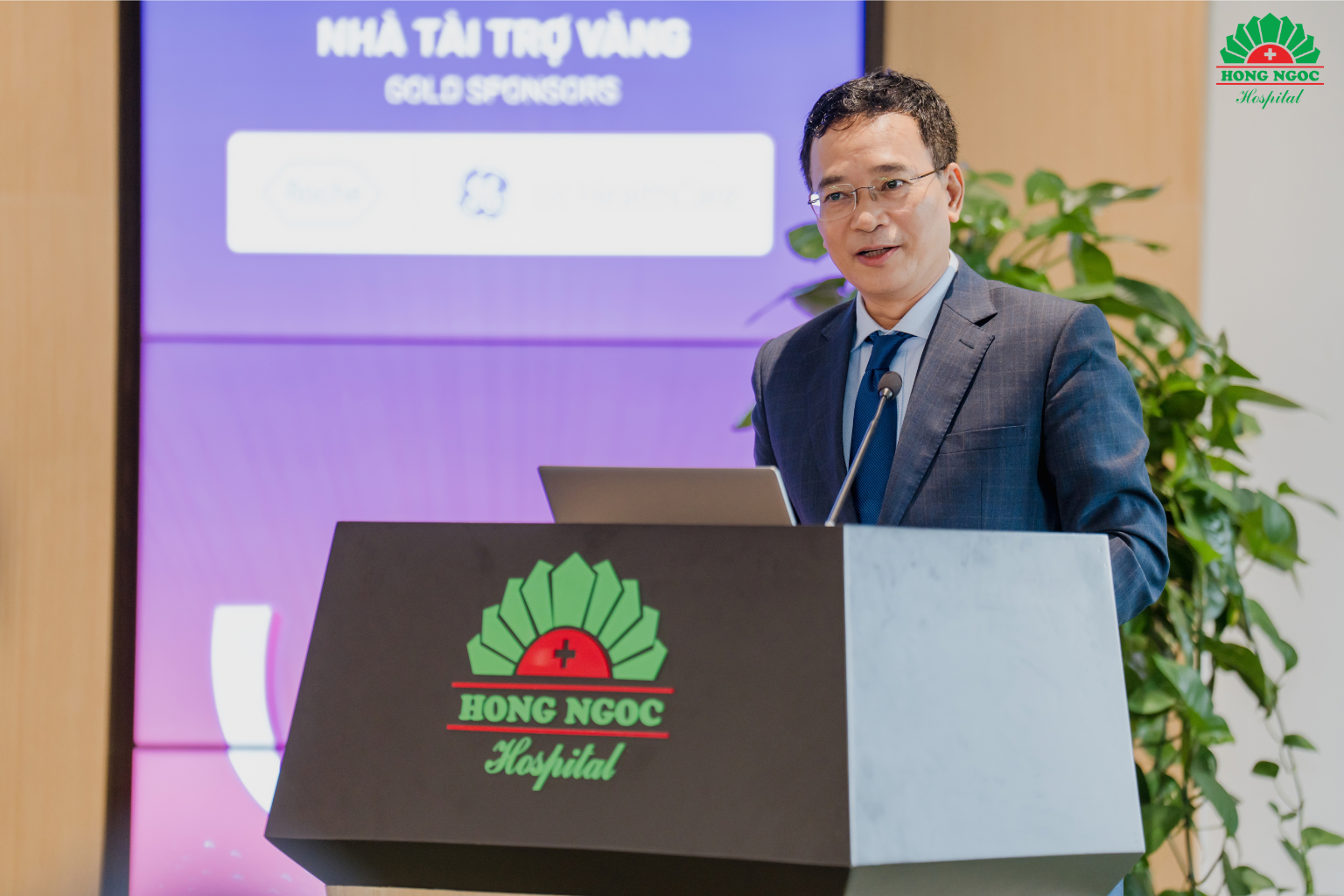
New trends in breast cancer diagnosis and treatment presented at the conference
Across four scientific sessions and 14 in-depth presentations, the speakers examined three major trends shaping modern breast cancer practice: reducing the extent of intervention while maintaining effective disease control; personalising treatment according to individual risk and tumour biology; and applying technology to support diagnosis and clinical decision-making.
Breast cancer surgery: Reducing intervention and improving preservation
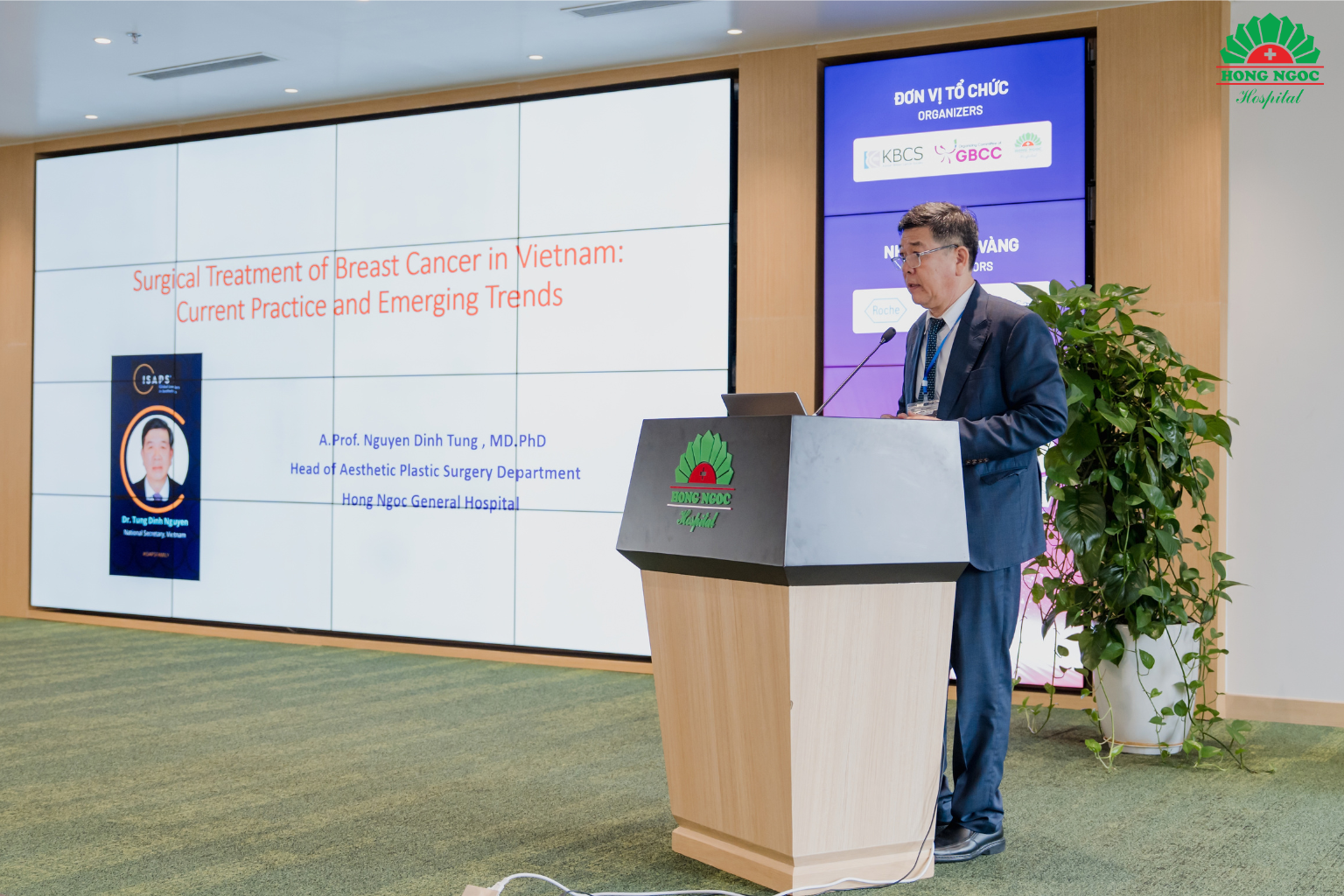
Opening the surgical programme, Assoc. Prof. Nguyen Dinh Tung, MD, PhD, Head of the Department of Plastic and Aesthetic Surgery and a specialist in breast cancer and reconstructive surgery with more than 30 years of experience, shared clinical insights in his presentation, “Advances in the Surgical Treatment of Breast Cancer in Vietnam”. He also served as co-chair of the conference’s two scientific sessions on surgery.
Assoc. Prof. Nguyen Dinh Tung, MD, PhD, is among the pioneers in introducing advanced breast cancer treatment techniques in Vietnam. His work includes performing the country’s first immediate breast reconstruction and being an early adopter of intraoperative radiotherapy (IORT) in Southeast Asia. At the conference, he shared practical experience in immediate breast reconstruction, IORT, and the use of stromal vascular fraction (SVF) combined with autologous fat grafting to support treatment and restore breast contour following cancer surgery.
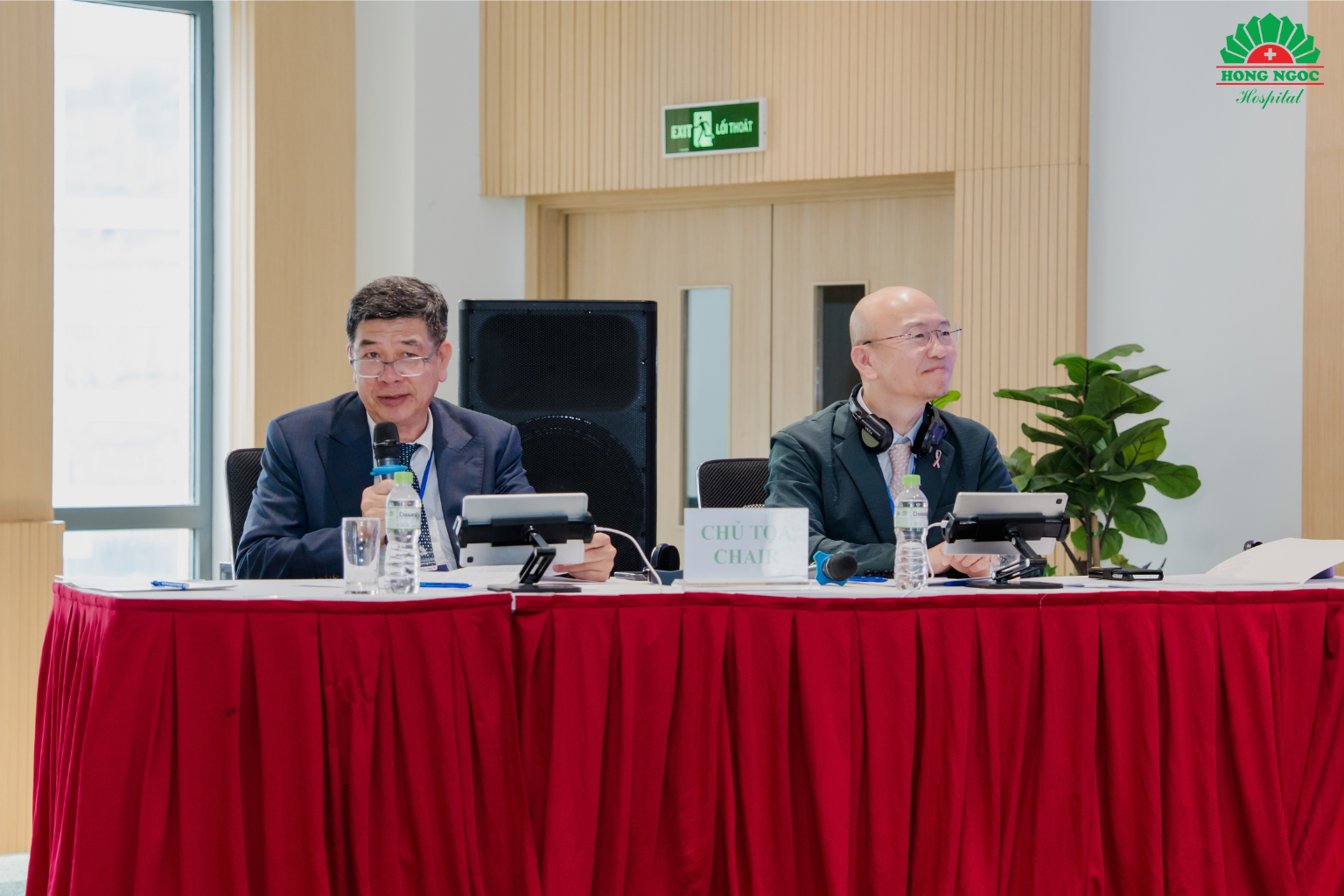
Beyond restoring physical appearance after surgery, the experts addressed another important question: how far can the extent of surgery be reduced while maintaining effective disease control? Assoc. Prof. Soong June Bae, MD, PhD, Assistant Secretary General of GBCC and a breast surgeon at Gangnam Severance Hospital, joined other South Korean experts in presenting evidence and clinical experience on reducing the extent of axillary surgery and tailoring breast surgery according to the patient’s response to neoadjuvant therapy.
Prof. Jeong Eon Lee, MD, PhD, further developed the discussion with updates on axillary surgery for patients with node-positive breast cancer. He emphasised an individualised approach in which the extent of surgery is determined by disease characteristics, treatment response and each patient’s level of risk. This approach seeks to balance effective cancer control with fewer complications and better preservation of quality of life.
The discussions demonstrated that modern breast cancer surgery is not simply a choice between “more” or “less” intervention. The priority is to determine the appropriate extent of surgery for each patient. Alongside effective disease control, preserving physical appearance, function and quality of life is becoming an increasingly important component of comprehensive treatment planning.
Systemic therapy is becoming increasingly personalised for different patient groups
While surgery focuses on the extent of local intervention, systemic therapy requires careful selection of the appropriate treatment, timing and intensity for each individual case. Patients with the same diagnosis of breast cancer may have different tumour biology, recurrence risks and responses to treatment.
During the scientific session on systemic therapy, Assoc. Prof. Joo Heung Kim, MD, PhD, Chair of the GBCC Exhibition Committee, Chair of the KBCS Public Relations Committee and a breast surgeon at Yongin Severance Hospital, presented updates on personalising endocrine therapy for early-stage luminal breast cancer. His presentation outlined the factors that should guide the choice and duration of endocrine therapy, rather than applying a uniform approach to every patient.
Assoc. Prof. Sang Yull Kang, MD, PhD, then presented new adjuvant treatment options and strategies for overcoming endocrine resistance in high-risk patients. This issue has important clinical implications because some tumours may become less responsive or resistant to endocrine therapy during treatment, requiring physicians to reassess the patient’s risk and consider an appropriate combination treatment strategy.
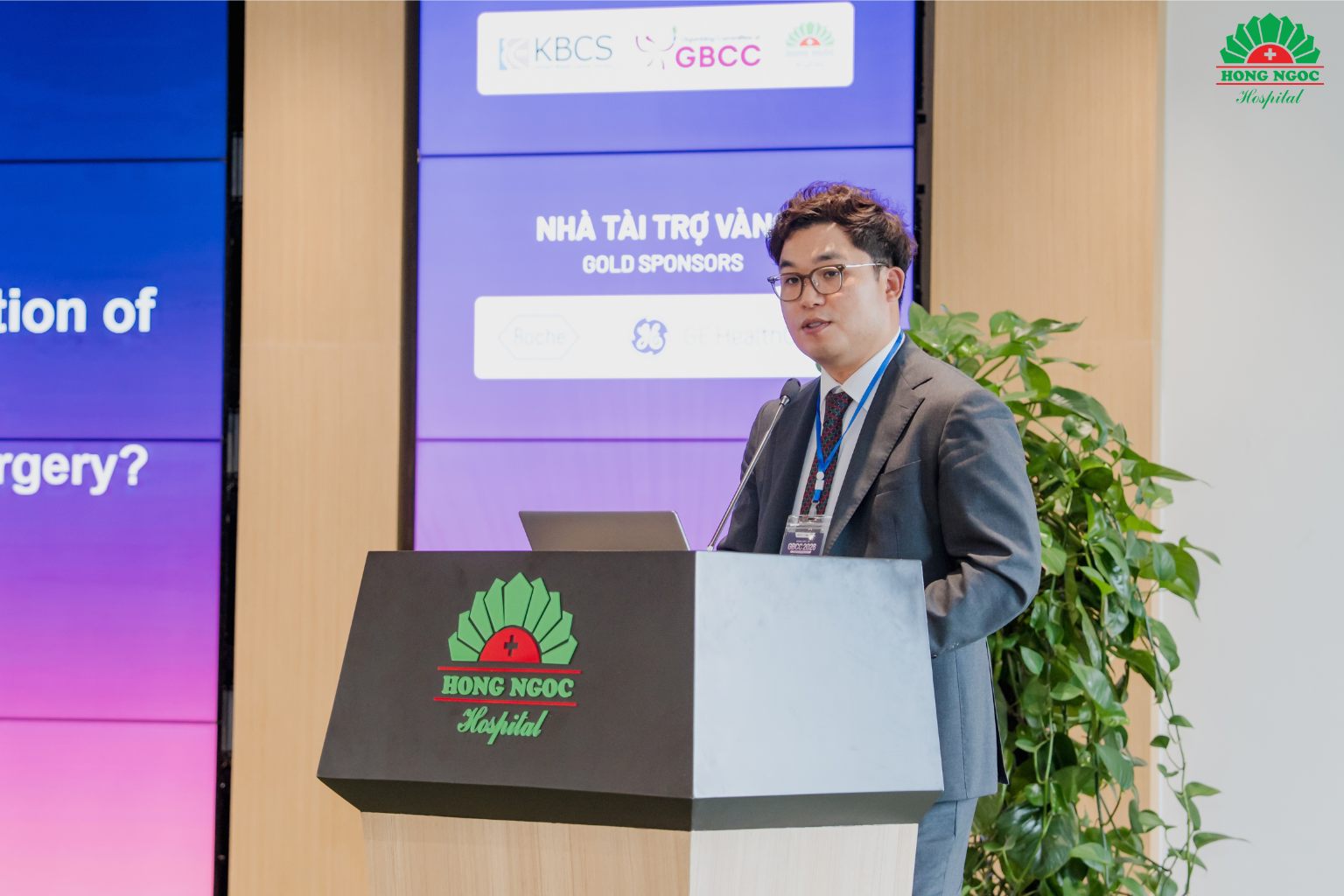
For metastatic breast cancer, Assoc. Prof. Soong June Bae, MD, PhD, presented new combination approaches and strategies for optimising immunotherapy. The presentation focused on patient selection, treatment combinations and ongoing assessment of therapeutic effectiveness throughout the course of treatment.
Across the presentations, personalised treatment was viewed as more than selecting a particular drug according to tumour characteristics. It also involves identifying the right patient, timing and treatment intensity, together with continuous monitoring so that the strategy can be adjusted as the disease evolves. This approach aims to optimise treatment outcomes while avoiding interventions that may not provide proportionate benefit.
AI opens new possibilities in breast cancer diagnosis
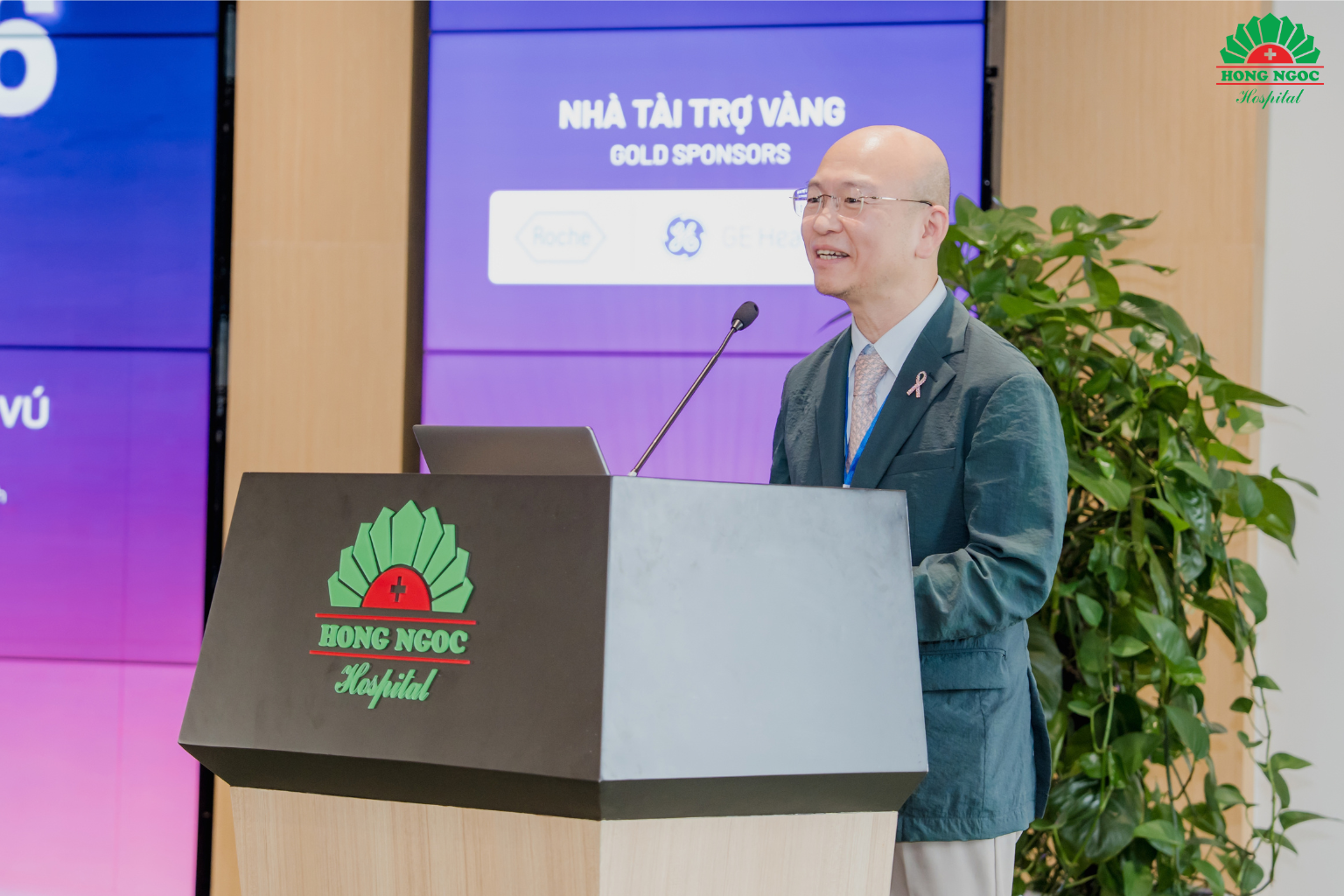
Alongside advances in treatment, technology is creating new possibilities in breast cancer imaging. At the conference, Prof. Eun Seook Ko, MD, PhD, a member of the GBCC Scientific Committee and a radiologist at Samsung Medical Center, Sungkyunkwan University School of Medicine, presented “AI Applications in Breast MRI: From Faster Acquisition to Smarter Interpretation”.
The presentation explored the potential of AI to shorten image acquisition times, enhance image quality, and support lesion detection and classification. AI was also discussed as a tool for identifying tumour characteristics, predicting response to neoadjuvant therapy, delineating lesion boundaries and providing additional information for treatment planning.
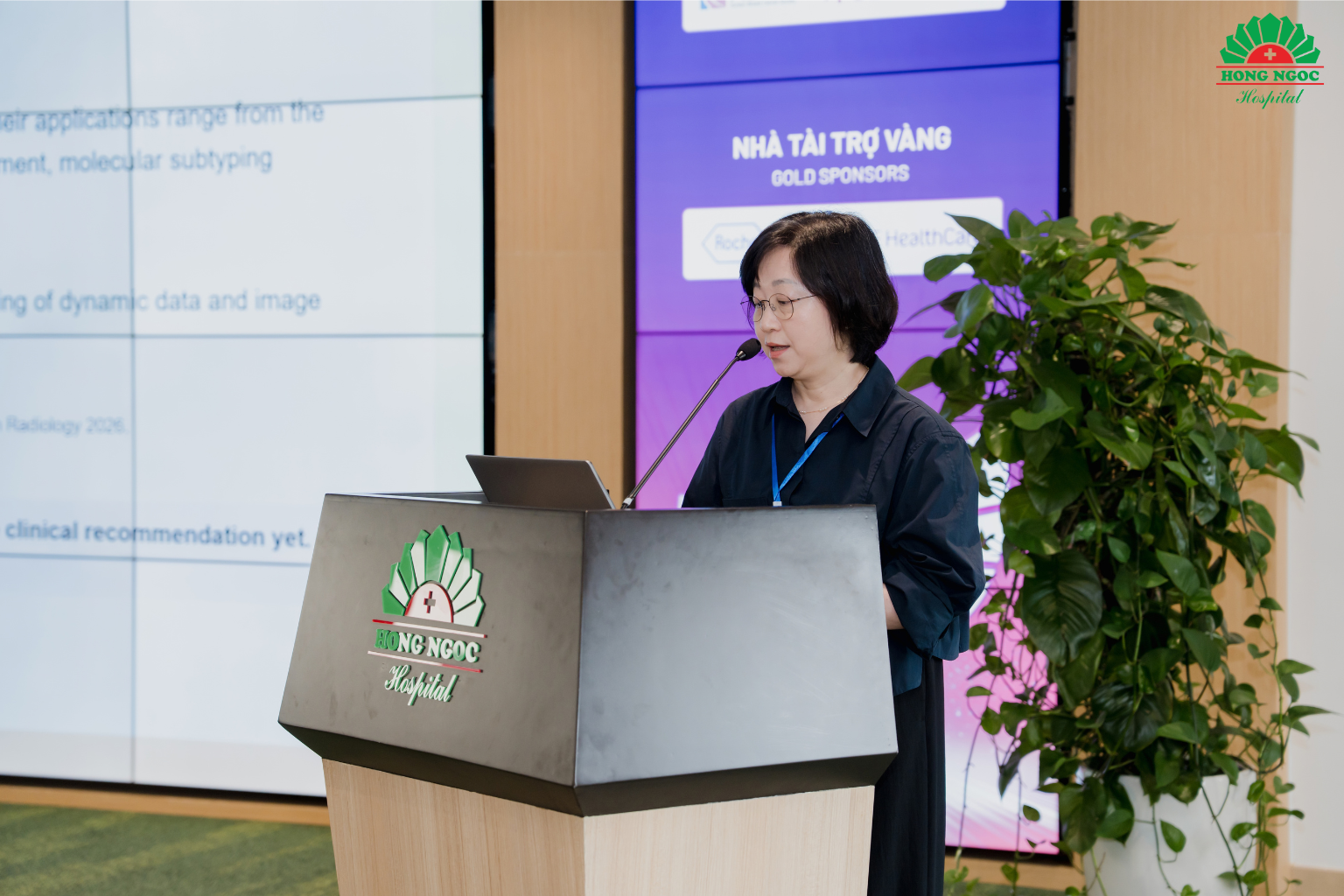
AI does not replace physicians but can serve as a valuable tool for processing large volumes of imaging data. When integrated with clinical assessment, pathology and other diagnostic modalities, AI can provide additional information, support a more comprehensive evaluation of lesions and help physicians make decisions tailored to each patient.
In addition to AI, the diagnostic session addressed axillary lymph node imaging and pathology, atypical lobular hyperplasia (ALH) and lobular carcinoma in situ (LCIS). Each topic examined a different stage of the diagnostic pathway, from lesion detection and risk assessment to decisions on surveillance or intervention, highlighting the role of multimodal diagnosis in breast cancer management.
As the scientific sessions concluded, the value of the programme lay not only in presenting new advances but also in translating these updates into clinical practice.
Through its collaboration with GBCC and KBCS, Hong Ngoc Phuc Truong Minh General Hospital continues to expand international professional exchange in breast cancer care. In addition to presenting key updates from GBCC 2026, the conference enabled Vietnamese physicians to learn from international experience, discuss clinical applicability and progressively integrate relevant advances into breast cancer diagnosis and treatment in Vietnam.