


Many pregnant women frequently experience heartburn and belching, which can cause fatigue, discomfort, and affect nutrition during pregnancy. In this article, Hong Ngoc Hospital shares effective and safe tips for relieving heartburn during pregnancy.
Causes of heartburn during pregnancy
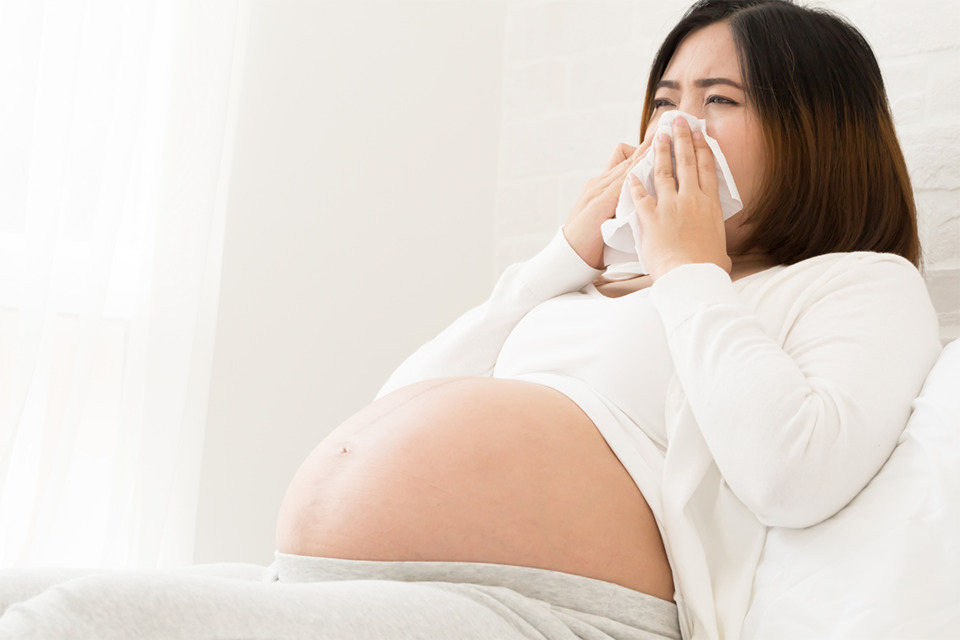
Heartburn in the first month of pregnancy is a common pregnancy-related symptom. However, many mothers may still experience heartburn in the final months of pregnancy. What causes this condition?
Fetal growth
This is one of the main causes. In the final months of pregnancy, the increasing size of the fetus and the amount of amniotic fluid can place greater pressure on the mother’s abdomen and digestive organs. This pressure may make acid reflux and heartburn more likely to occur.
Heartburn during pregnancy may also be a common sign in expectant mothers with gastrointestinal conditions.
The symptoms of heartburn during pregnancy are similar to heartburn, gastroesophageal acid reflux, bloating, and indigestion in non pregnant individuals. However, the difference is that these symptoms often last longer and may persist throughout pregnancy or during the final months of pregnancy.
Pregnant women should consult a doctor and visit a reputable medical facility for examination to identify the cause and receive appropriate treatment, especially when symptoms become prolonged or severe.
Burning sensation, belching, and acid regurgitation
These are the most common symptoms and may occur frequently, especially when pregnant women eat too much or consume foods that are difficult to digest, such as fried or greasy dishes. The symptoms may also occur more easily if the mother lies down immediately after eating.
Chest pain
When stomach acid refluxes into the esophagus, it not only causes heartburn during pregnancy but may also irritate nerve fibers on the surface of the esophageal lining, which is located behind the chest. This can lead to a feeling of chest tightness or pain. However, chest pain may also be a sign of cardiovascular or respiratory problems. Pregnant women should not ignore this symptom and should monitor it closely.
Difficulty swallowing
Belching, heartburn, and difficulty swallowing due to damage to the esophageal lining can all affect the mother’s eating habits and nutritional intake. Medical examination is necessary, as the esophageal lining may have become red, swollen, edematous, or even infected.
Hoarseness and persistent cough
These symptoms may occur when the vocal cords are frequently exposed to stomach acid, leading to irritation, swelling, inflammation, and voice changes. This condition should also be examined and treated early to prevent long term complications.
Loss of appetite and rapid weight loss
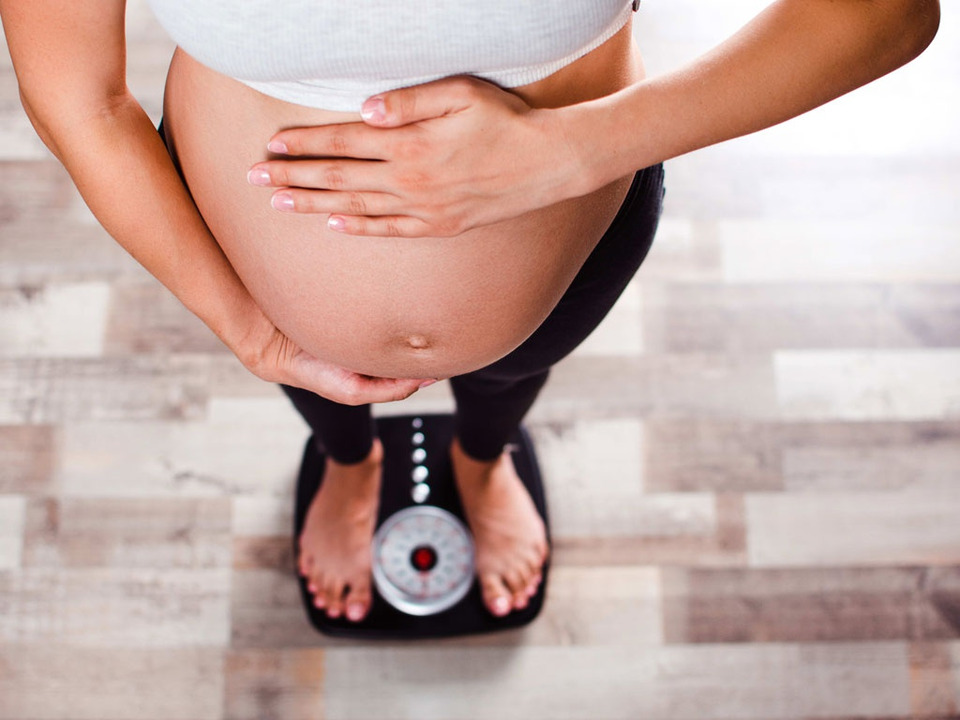
The digestive symptoms mentioned above can affect appetite, causing pregnant women to eat less or lose interest in food. This may lead to anemia and rapid weight loss. Early treatment is important because nutrition during pregnancy is essential. Poor intake, nutritional deficiency, and anemia may slow fetal development and increase the risk of obstetric complications.
Heartburn during pregnancy should not be underestimated, as it may affect the health of both the mother and the baby. Early examination and management can help mothers maintain a healthier and more reassuring pregnancy.
Register for the comprehensive maternity care package via hotline at 0919 645 271 or fill out the form below.
Simple ways to relieve heartburn during pregnancy
Eat slowly and chew thoroughly
The habit of eating slowly and chewing thoroughly is especially important for pregnant women, as it helps reduce the burden on the stomach and supports better digestion. Pregnant women should also divide their meals into smaller portions throughout the day. In particular, they should avoid eating too much at one time, as this can cause food to remain in the stomach longer and increase the risk of acid reflux and heartburn.
Limit irritating foods
Foods that are difficult to digest, such as cakes, seafood, red meat, salted eggs, soybeans, fried foods, and spicy or hot foods, can make the stomach work harder and produce more gastric acid for digestion. As a result, heartburn and bloating during pregnancy may become more severe.
Eat more easily digestible foods
Fresh, nutrient-rich foods prepared in liquid, soup, or pureed form are easier to digest and more suitable for pregnant women.
To reduce heartburn during pregnancy, expectant mothers should eat plenty of green vegetables, especially vegetables and fruits rich in vitamin C. They should also add yogurt to their weekly diet to support a healthier digestive system.
Gently massage the abdomen and relax after meals
After eating, to support digestion and reduce pressure during pregnancy, mothers can use their hands to gently massage the abdomen from top to bottom and from right to left. This may help food move more smoothly through the digestive tract and prevent gastric acid from refluxing into the esophagus.
Maintain an appropriate sleeping position
As the fetus grows, pregnant women may have more difficulty moving and sleeping. To help prevent heartburn caused by acid reflux, lying on the left side is the most suitable sleeping position.

Treating heartburn during pregnancy with common kitchen ingredients
Many pregnant women share simple yet effective home remedies for relieving heartburn during pregnancy, such as:
Fresh ginger
Ginger is a commonly used traditional herbal remedy with warming properties and a pungent taste that may support digestion. Fresh ginger, in particular, may help relieve heartburn quickly. However, pregnant women should use ginger in moderate amounts. Ideally, whenever heartburn occurs, mothers can take a small piece of young ginger, steep it in hot water, and add honey or sugar before drinking. It should not be consumed too frequently or continuously for many days.
Almonds
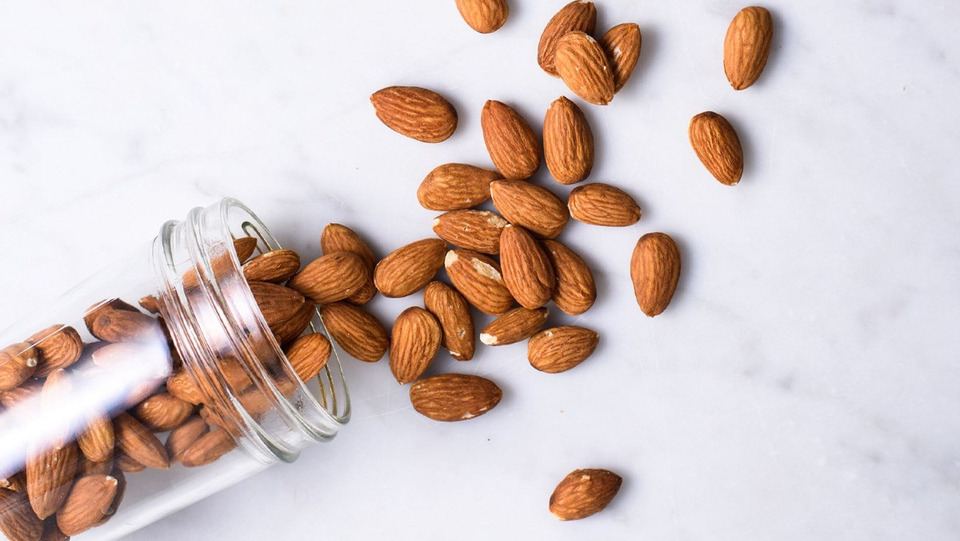
Almonds are nutrient-rich nuts that are beneficial for the health of both mother and baby. Eating almonds or other nutritious nuts can provide pregnant women with essential nutrients, especially folic acid, calcium, and vitamin B. Studies have also shown that eating almonds daily may help improve heartburn during pregnancy effectively.
Aloe vera
Pregnant women may consume aloe vera sweet soup or drinks containing aloe vera during the final months of pregnancy. Aloe vera contains vitamin E, vitamin C, and antioxidants, which may support digestion and help improve skin health during pregnancy.
However, pregnant women should avoid drinking too much aloe vera juice in one day. It is best to consume it in small, evenly divided amounts and limit the use of aloe vera during the first trimester of pregnancy.
Other frequently asked questions about heartburn during pregnancy
Heartburn in the first month of pregnancy
Nausea is a common pregnancy-related symptom in the early months of pregnancy. It can cause gastric fluid to reflux into the esophagus, leading to heartburn. This symptom is very common and usually does not last long. As the body adapts to hormonal changes and pregnancy, morning sickness and heartburn often improve.
Heartburn in the final months of pregnancy
Up to two thirds of pregnant women experience heartburn in the final months of pregnancy. This is mostly caused by anxiety, stress, and the growing fetus placing pressure on the stomach. Pregnant women with heartburn in the final months should pay closer attention to their diet and rest, which may help improve symptoms.
Note: The information provided in this article by Hong Ngoc General Hospital is for reference purposes only and is not intended to replace professional medical diagnosis or treatment. Patients should not purchase or use medications on their own for treatment. To accurately determine their medical condition, patients should visit a hospital for direct examination, diagnosis, and consultation with a physician on an appropriate treatment plan.
Follow the Facebook fanpage of Hong Ngoc General Hospital for more useful information: https://www.facebook.com/BenhvienHongNgoc