


Gastroesophageal reflux during pregnancy is a common condition. Pregnant women often experience loss of appetite, abdominal fullness, indigestion, fatigue, and discomfort that may interfere with daily activities. Although the condition generally does not affect fetal development, it can significantly reduce maternal comfort and quality of life.
When are pregnant women most likely to experience gastroesophageal reflux?
Gastroesophageal reflux can occur in individuals of any sex or geographic region. However, the condition is often more pronounced during pregnancy. According to specialists, the first trimester is the period during which pregnant women are most susceptible to gastroesophageal reflux.
This is primarily because early pregnancy is commonly associated with morning sickness, frequent nausea, and vomiting, which may increase gastric acid secretion and disrupt normal diaphragmatic and lower esophageal sphincter function.
These physiological changes create favorable conditions for gastric acid reflux, leading to uncomfortable gastrointestinal symptoms during pregnancy.
Common causes of gastroesophageal reflux during pregnancy
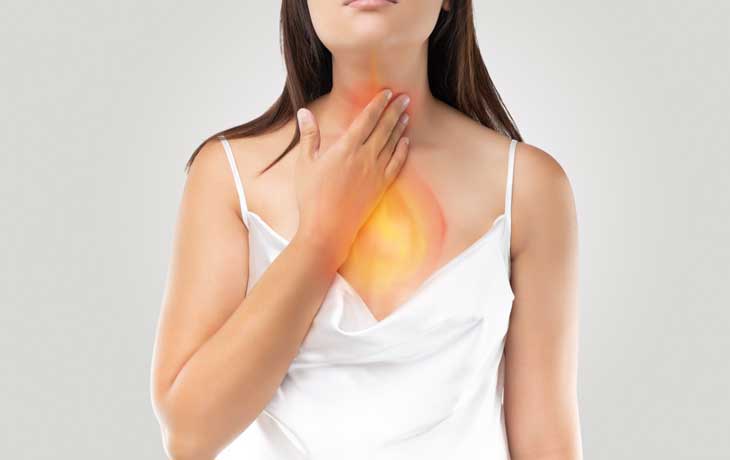
Gastroesophageal reflux during pregnancy is a very common condition. According to clinical experts, several factors may contribute to its development in pregnant women, including:
Changes in progesterone levels during pregnancy
During pregnancy, hormonal fluctuations occur throughout the maternal body. Elevated progesterone levels may relax the lower esophageal sphincter, reducing its ability to prevent gastric acid from refluxing into the esophagus, thereby contributing to gastroesophageal reflux.
Sudden increase in relaxin hormone levels
A rapid increase in relaxin hormone levels may also contribute to gastroesophageal reflux during pregnancy. Elevated relaxin levels can slow gastrointestinal motility and impair gastric digestion, leading to abdominal fullness, indigestion, and belching.
Fetal growth and uterine enlargement
In addition to hormonal changes, progressive fetal growth increases intra abdominal pressure on the stomach, which may further promote gastric acid reflux.
For consultation and registration for comprehensive maternity and delivery services with experienced obstetricians and gynecologists, please contact our hotline:
0919 645 271
or complete the registration form below.
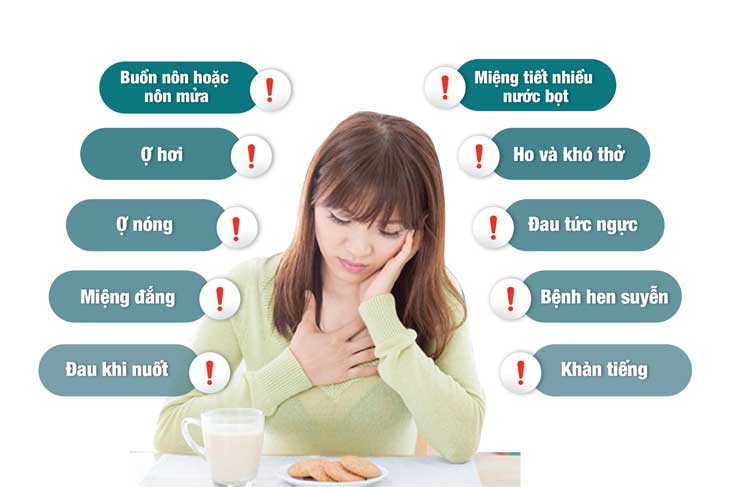
Symptoms of gastroesophageal reflux during pregnancy
Pregnant women with gastroesophageal reflux often experience a number of uncomfortable symptoms, including:
- Acid regurgitation and heartburn: Gastroesophageal reflux alters gastric acid levels and may interfere with digestion. As a result, pregnant women may experience abdominal bloating, excessive gas, acid regurgitation, and heartburn. Many women also report a burning sensation in the throat after belching or frequent nausea;
- Frequent nausea and vomiting: Reflux of gastric contents and stomach acid into the esophagus may trigger recurrent nausea and vomiting;
- Chest discomfort and epigastric burning pain: These symptoms may cause shortness of breath and contribute to reduced physical well being;
- Hoarseness and persistent coughing: Refluxed gastric acid may irritate the throat and larynx, leading to laryngitis, throat irritation, hoarseness, and chronic cough;
- Esophageal mucosal inflammation: The esophageal lining may become swollen, inflamed, and erythematous, resulting in difficulty swallowing.
Management of gastroesophageal reflux during pregnancy
Gastroesophageal reflux during pregnancy may cause fatigue and negatively affect maternal well being. Currently, there is no definitive cure specifically for reflux during pregnancy. The most effective approach for symptom control is maintaining a healthy and scientifically appropriate lifestyle under the guidance of a healthcare professional.
In cases of severe gastroesophageal reflux that do not improve with lifestyle modification alone, physicians may consider appropriate medical treatment based on the mother’s overall condition and symptom severity. Certain prescription medications may help relieve symptoms while ensuring safety for both mother and fetus. Pregnant women should only use medications as prescribed by their physician and should never self medicate without consultation with an obstetric specialist.
In addition to pharmacologic therapy, supportive measures such as acupuncture, prenatal yoga, or appropriately indicated surgical intervention may also help reduce reflux symptoms in selected cases.
What should pregnant women with gastroesophageal reflux eat?
Pregnant women with gastroesophageal reflux are encouraged to follow a balanced and appropriate diet to help relieve symptoms and support maternal and fetal health. The following nutritional recommendations may be helpful.
Starch rich foods
Pregnant women require adequate nutritional support throughout pregnancy. Foods rich in carbohydrates and starch provide essential energy and nutrients that help improve overall health and reduce fatigue associated with gastroesophageal reflux.
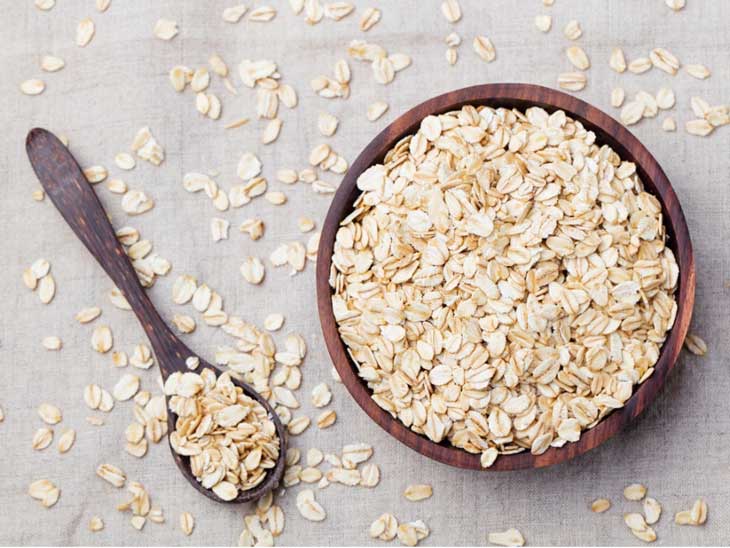
In addition, starch containing foods may help absorb excess gastric acid, thereby alleviating reflux symptoms. Recommended starch rich foods include rice, oatmeal, bread, brown rice, potatoes, and similar easily digestible carbohydrates.
Vegetables
Vegetables are rich in vitamins and dietary fiber, which help strengthen the immune system and support digestive function. Green vegetables recommended for pregnant women include spinach, broccoli, cabbage, and choy sum.
Drink at least 2 liters of water daily
Water is essential for overall health, particularly during pregnancy. Pregnant women should maintain adequate daily fluid intake to support both maternal health and fetal development. Proper hydration may also help reduce nausea and discomfort associated with gastroesophageal reflux while supporting metabolic function.
Consume easily digestible protein rich foods
Protein is an essential nutrient during pregnancy. However, pregnant women with gastroesophageal reflux should prioritize easily digestible protein sources that are less likely to irritate the stomach. Recommended foods include salmon, lean pork, chicken, and pork heart, which may support digestive health and nutritional balance.
Yogurt
Yogurt is considered a beneficial food for pregnant women with gastroesophageal reflux disease. It is especially helpful for individuals with gastric disorders because it may support gastrointestinal function and improve digestion.
For better symptom control, yogurt may be combined with turmeric, aloe vera, or fruits as part of the daily diet.

Sweet fruits
Fruits are rich in vitamins and minerals that are beneficial for overall health. Pregnant women with gastroesophageal reflux are encouraged to choose naturally sweet fruits, as they are generally gentler on the digestive system. Suitable options may include bananas, apples, coconuts, and grapes.
Certain herbal teas
Some herbal teas are considered safe and beneficial during pregnancy, including ginger tea and chamomile tea. These herbal beverages possess soothing and mild antibacterial properties that may help calm the stomach and relieve uncomfortable symptoms such as belching and indigestion.
When should pregnant women seek medical attention?
Pregnant women with gastroesophageal reflux should follow medical advice carefully and avoid self medicating without physician guidance.
In addition to reflux symptoms, pregnant women should seek medical evaluation immediately if any of the following symptoms occur:
- Dizziness;
- Severe nausea or persistent vomiting;
- Prolonged chest pain or chest tightness;
- Persistent cough or high fever;
- Rapid or unexplained weight loss;
- Loss of appetite, bitter taste in the mouth, or shortness of breath.
If these symptoms are present, pregnant women should visit a healthcare facility for examination and consultation. Early medical assessment can help identify the underlying cause and provide appropriate management to prevent worsening symptoms and protect the health of both mother and fetus.
Answers to common questions about gastroesophageal reflux during pregnancy
In addition to discussing the causes, symptoms, and management of gastroesophageal reflux during pregnancy, we also address several frequently asked questions to help expectant mothers better understand this condition.
Is gastroesophageal reflux during the first trimester dangerous?
Gastroesophageal reflux is particularly common during the first trimester of pregnancy. In some women, it may even be one of the early signs suggestive of pregnancy. Therefore, in most cases, this condition is not considered dangerous or overly concerning.

For pregnant women without a prior history of gastric disorders, medication may not initially be prescribed. This is because drug use during pregnancy may lead to adverse effects that could potentially affect both maternal health and fetal development. In many cases, symptoms can be improved through lifestyle and dietary modifications alone.
Although gastroesophageal reflux during the first trimester is relatively common, pregnant women should not be overly complacent. Medical consultation is recommended whenever unusual or concerning symptoms occur.
What causes gastroesophageal reflux during the third trimester?
Pregnant women may continue to experience gastroesophageal reflux during the third trimester of pregnancy.
Common causes of reflux during late pregnancy
- Hormonal changes during pregnancy;
- The body preparing for labor and delivery;
- Progressive fetal growth causing increased pressure on the stomach;
- Increased food intake.
Management strategies for gastroesophageal reflux during the third trimester
- Eat smaller meals throughout the day and avoid eating immediately before bedtime;
- Avoid spicy foods, caffeinated beverages, and fermented or pickled foods such as pickled mustard greens, bamboo shoots, or eggplants;
- Engage in gentle physical activities appropriate for pregnancy, such as prenatal yoga or walking;
- Maintain adequate daily water intake.
For severe or persistent symptoms that do not improve, pregnant women should seek medical evaluation for appropriate consultation and treatment.
Medications for gastroesophageal reflux during pregnancy
When gastroesophageal reflux symptoms become more severe, pregnant women may be prescribed medications to help relieve discomfort. Depending on the clinical condition, physicians may consider the following medication groups:
- Gastric mucosal protective agents: such as sucralfate, rebamipide, and misoprostol;
- Antacids: including aluminum hydroxide, sodium bicarbonate, and magnesium salts;
- H2 receptor antagonists: such as famotidine and ranitidine;
- Proton pump inhibitors: including pantoprazole, omeprazole, and lansoprazole.
Among these options, antacids are often preferred because they are generally considered relatively safe during pregnancy. However, pregnant women should avoid antacids containing magnesium trisilicate or sodium bicarbonate unless specifically prescribed by a physician.
All medications during pregnancy should be used strictly under medical supervision to ensure maternal and fetal safety.
Note: The information provided in this article by Hong Ngoc General Hospital is intended for reference purposes only and does not replace professional medical diagnosis or treatment. Patients should not self medicate under any circumstances. To accurately determine a medical condition, patients should visit a healthcare facility for direct examination, diagnosis, and appropriate treatment consultation by a qualified physician.
Follow the official fanpage of Hong Ngoc General Hospital for more useful healthcare information and attractive promotional programs from the hospital.