


As a component of the national public health strategy, the Expanded Program on Immunization has increasingly demonstrated its effectiveness in preventing serious infectious diseases in young children. Join Hong Ngoc General Hospital in exploring key information about this program.
What is the Expanded Program on Immunization and who are the priority groups?
The Expanded Program on Immunization is a public health strategy that has been implemented in Vietnam since 1981, with the primary objective of providing free vaccination services to children under one year of age. This program represents a critical preventive measure aimed at reducing disease burden and strengthening immune protection in young children against serious infectious diseases. To date, the Expanded Program on Immunization in Vietnam has provided vaccines against 12 different diseases, underscoring its vital role in safeguarding child health nationwide.
Vaccination is widely recognized as the most effective method to protect young children from a range of dangerous infectious diseases, particularly conditions such as pertussis, measles, Japanese encephalitis, and hepatitis B. By inducing active immunity through immunization, children develop early immune defenses, thereby reducing the risk of severe complications and mortality associated with these diseases.
Currently, the Expanded Program on Immunization is implemented across most localities throughout the country. Initially, the program targeted only children under one year of age, who are especially vulnerable due to their immature immune systems. Over time, with advances in economic development and public healthcare infrastructure, the eligible age range has been extended to include children up to 10 years of age, along with an expanded number of vaccine doses provided free of charge.
Benefits of the Expanded Program on Immunization
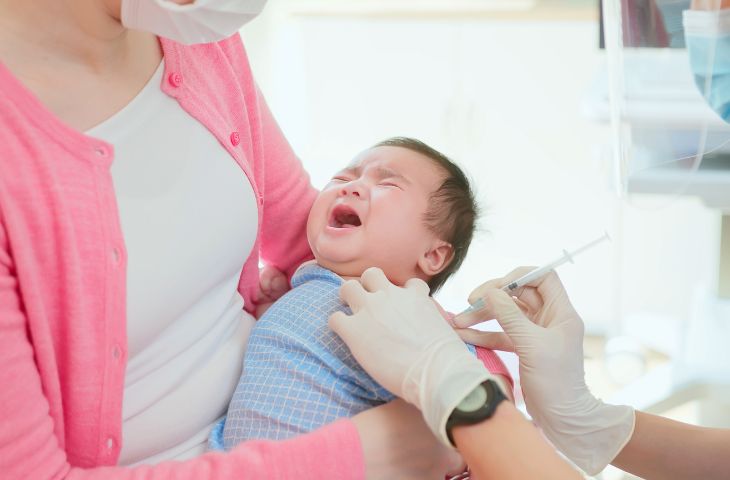
Children are the highest priority population in the Expanded Program on Immunization. Due to concerns about their children’s health, many parents may still question the benefits of this program. Below are the substantial public health outcomes achieved through the Expanded Program on Immunization:
- Protection against serious infectious diseases: Vaccination enables a child’s immune system to produce specific antibodies, providing protection against subsequent exposure to pathogenic agents. Infectious diseases such as tetanus, poliomyelitis, measles, and hepatitis B currently lack definitive curative treatment; therefore, vaccination is essential to safeguard health and support comprehensive physical and developmental growth in children.
- Reduced disease incidence and lower rates of complications and mortality: Implementation of the Expanded Program on Immunization in young children plays a pivotal role in preventing disease outbreaks. Medical studies indicate that approximately 85 percent of vaccinated children develop immunity to multiple serious diseases, whereas immunity rates are significantly lower among unvaccinated children.
- Prevention of epidemic outbreaks: Expanded immunization programs protect the most immunologically vulnerable population, thereby enhancing overall community health safety. As a result, several infectious diseases such as pulmonary tuberculosis and Japanese encephalitis have been effectively controlled.
In addition, the Expanded Program on Immunization contributes to substantial cost savings for families and society by reducing disease treatment expenses. Effective disease control also alleviates pressure on healthcare systems and supports the sustainable development of national human resources.
Reader may also be interested in:
All vaccination packages available at Hong Ngoc General Hospital
What is vaccination? Three factors influencing current vaccination costs
List of vaccines included in the Expanded Program on Immunization
Currently, the Expanded Program on Immunization in Vietnam is implemented for children from birth to 10 years of age and includes a total of 12 vaccines. The vaccines provided under the national Expanded Program on Immunization for children include the following:
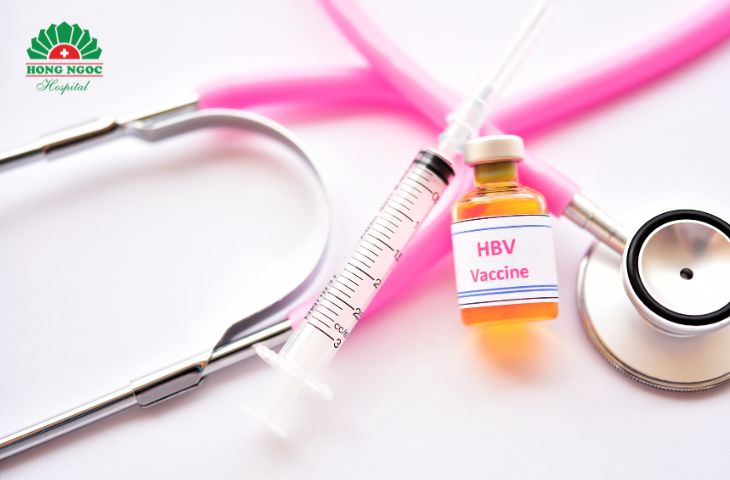
- Hepatitis B vaccine: Induces protective antibodies against hepatitis B virus, a pathogen that can lead to chronic hepatitis, liver cirrhosis, and hepatocellular carcinoma.
- Diphtheria vaccine: Prevents infection and toxic effects caused by Corynebacterium diphtheriae.
- Tuberculosis vaccine (BCG): Protects against tuberculosis, a serious infectious disease caused by Mycobacterium tuberculosis.
- Poliomyelitis vaccine: Prevents poliomyelitis, a highly contagious viral disease that can cause irreversible paralysis and death.
- Tetanus vaccine: Reduces the risk of tetanus infection and associated severe complications and mortality caused by Clostridium tetani.
- Measles vaccine: Prevents measles, a highly contagious viral disease that can result in severe complications, particularly in young children.
- Pertussis vaccine: Protects against whooping cough, a respiratory infection that may be life threatening in infants and young children.
- Rubella vaccine: Prevents rubella infection and reduces the risk of congenital rubella syndrome in newborns.
- Haemophilus influenzae type b vaccine: Prevents invasive diseases such as meningitis, pneumonia, and sepsis caused by Haemophilus influenzae type b.
- Japanese encephalitis vaccine: Protects against Japanese encephalitis, a severe viral infection of the central nervous system.
- Cholera vaccine: Administered to high risk populations to prevent cholera, an acute diarrheal disease with potential for rapid outbreaks.
- Typhoid vaccine: Prevents typhoid fever, a systemic infection caused by Salmonella typhi.
Expanded immunization schedule for infants under 1 year of age
Each vaccine has a specific dosing schedule and recommended timing of administration. Therefore, to ensure that infants receive all required doses in full, parents should closely follow the Expanded Program on Immunization schedule issued by local health authorities. Below is the recommended immunization schedule corresponding to each developmental stage, from birth until the child reaches 1 year of age.
Newborn period
Newborns are required to receive two vaccines: the first dose of the hepatitis B vaccine and the tuberculosis vaccine (BCG). It should be noted that the Expanded Program on Immunization recommends administering the hepatitis B vaccine as early as possible, ideally immediately after birth. The tuberculosis vaccine should be given within the first 30 days of life.
From 1 to 4 months of age
- Administration of the second and third doses of the hepatitis B vaccine, typically given in the second and third months of life, with a one month interval between doses.
- Administration of the first, second, and third doses of the 5 in 1 or 6 in 1 combination vaccine to protect against diphtheria, pertussis, tetanus, Haemophilus influenzae type b infection, hepatitis B, and poliomyelitis, with each dose spaced one month apart.
- At 4 months of age, the infant receives the diphtheria vaccine. This vaccine requires only a single dose for lifelong protection.
Children aged 9–12 months
During this stage, the infant’s immune system is sufficiently mature to tolerate more potent vaccines.
- At 9 months of age, the child receives the measles vaccine. If a combined measles mumps rubella vaccine is used, only a single dose is required at this stage.
- At 12 months of age, the child is administered the first and second doses of the Japanese encephalitis vaccine, with an interval of approximately 10 days between doses. The third dose is given one year later.
Should children receive vaccines not included in the Expanded Program on Immunization?
Currently, there are approximately 30 different disease preventing vaccines available worldwide. Due to certain limitations related to economic resources and healthcare infrastructure, Vietnam has so far been able to implement only 12 vaccines within the Expanded Program on Immunization. Therefore, to ensure comprehensive protection for children, parents may consider administering additional vaccines through fee based immunization services. Essential supplementary vaccines for children include:
- Varicella vaccine
- Hepatitis A vaccine
- Influenza vaccine
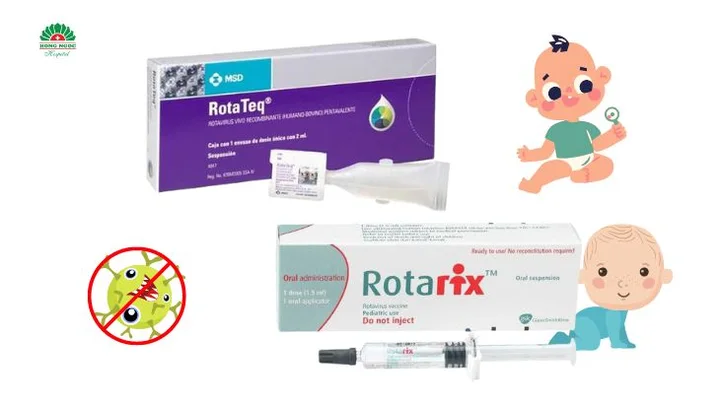
- Rotavirus vaccine:
- Typhoid vaccine
- Meningococcal vaccines (groups B and C)
- Other recommended vaccines
In practice, many parents choose to enroll in a comprehensive vaccination package for their child as early as the pregnancy period. This approach helps ensure that the child receives all recommended vaccines in full and on schedule, while minimizing the risk of vaccine shortages or missed appointments. Registering for a comprehensive vaccination service also provides parents with greater peace of mind during childcare, and the overall cost of a full vaccination package is typically more affordable than administering individual vaccines separately.
Important considerations when taking children for vaccination
In addition to adhering to the vaccination schedule and required number of doses, parents should take note of the following points when bringing a child for immunization:
- Ensure that the child is in good health prior to vaccination. Vaccination should be postponed if the child has a high fever above 38°C or is undergoing prolonged corticosteroid therapy lasting more than two weeks.
- If the child has mild fever, diarrhea, or signs of malnutrition, parents should seek medical advice from a physician before proceeding with vaccination.
- Do not re administer a vaccine that previously caused adverse reactions in the child, such as seizures, vomiting, or other significant post vaccination events.
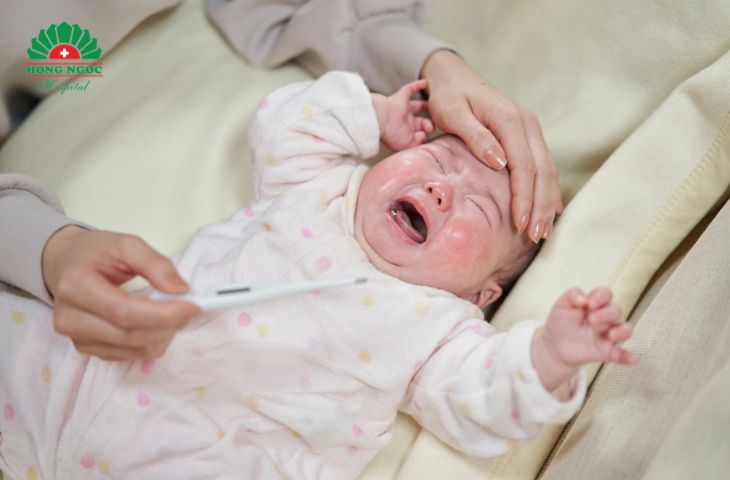
Mothers should closely monitor their children for at least 24 hours following vaccination. If any signs suggestive of anaphylaxis or severe adverse reactions occur, contact a physician immediately and bring the child to the nearest medical facility as soon as possible for prompt management.
Contact information
Hong Ngoc General HospitalHotline: 0949 416 006 – 0947 616 006 – 0911 858 616Tel: **(84-24) 3927 5568 ext. *3036 – 3388 – 2244
For more updates and useful health information, follow the official fanpage of Hong Ngoc General Hospital.