



Gastrointestinal cancers are the third leading cause of cancer-related mortality worldwide. However, their clinical manifestations are often nonspecific and insidious, leading many individuals to underestimate or overlook early warning signs. Therefore, routine health check-ups and targeted gastrointestinal cancer screening remain the most effective strategies for early detection of premalignant lesions and malignancies, thereby significantly improving treatment outcomes and survival rates.
What are gastrointestinal cancers?
Gastrointestinal cancers comprise malignancies of the oral cavity, oropharynx, stomach, esophagus, anus, colorectum, and small intestine. These conditions are often easily mistaken for benign gastrointestinal disorders and typically follow an insidious clinical course, with minimal or nonspecific symptoms despite the presence of a tumor that may have been developing over an extended period.
Gastrointestinal malignancies account for approximately 30% of all cancer cases and affect both men and women. This group of diseases is potentially curable if detected at an early stage and managed with timely, appropriate therapeutic interventions.
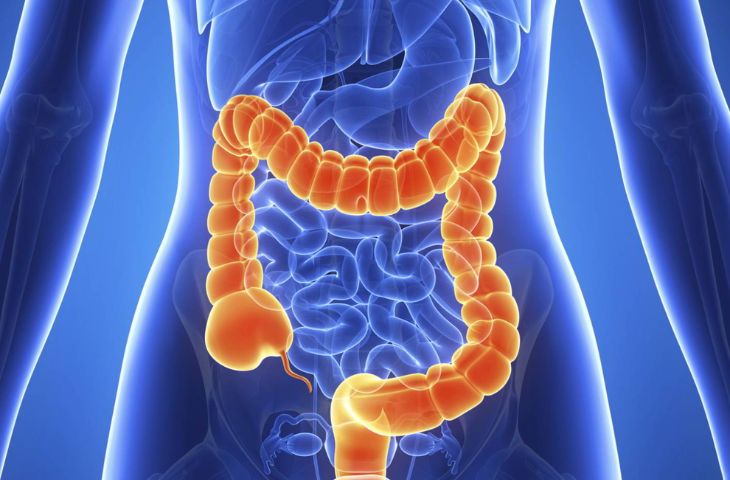
Types of gastrointestinal cancers
Gastrointestinal malignancies encompass a spectrum of 11 common entities, including:
- Gastric cancer: More than 90% of gastric cancers arise from uncontrolled proliferation of the gastric mucosal lining, leading to the formation of invasive tumors that can infiltrate adjacent tissues and metastasize to distant organs.
- Biliary tract cancer (cholangiocarcinoma): Approximately 60% of cases occur at the hepatic hilum, 25% originate from the distal bile ducts, and 15% arise from intrahepatic ducts. This malignancy develops from the epithelial lining of the biliary tree.
- Anal cancer: Characterized by dysregulated proliferation of epithelial cells in the anal canal or perianal margin, resulting in tumor formation with potential for local invasion and distant metastasis.
- Colorectal cancer: Occurs when normal epithelial cells of the colonic mucosa undergo neoplastic transformation, often beginning as adenomatous polyps (precancerous lesions) that progressively enlarge and evolve into malignant tumors.
- Gallbladder cancer: Results from uncontrolled cellular proliferation within the gallbladder, eventually leading to tumor formation within the organ.
- Primary liver cancer: Encompasses malignancies arising from hepatocytes, bile duct cells, or hepatic vasculature. Primary hepatic tumors originate within the liver, whereas secondary involvement represents metastatic disease from other sites.
- Appendiceal cancer: A relatively rare gastrointestinal malignancy that develops when appendiceal cells undergo abnormal proliferation, leading to tumor formation within the appendix.
- Small intestine cancer: Includes adenocarcinoma, sarcoma, carcinoid tumors, and lymphoma, all of which arise from uncontrolled cellular growth within the small bowel.
- Pancreatic cancer: A rare but highly aggressive malignancy of the gastrointestinal system, typically resulting from aberrant cellular activity that leads to tumor formation, with a high propensity for lymphatic spread and regional or distant metastasis.
- Esophageal cancer: Commonly originates from the inner mucosal lining of the esophagus and may arise from squamous cells (typically in the proximal esophagus) or glandular cells (usually in the distal esophagus).
Warning signs of gastrointestinal cancers
The clinical manifestations of gastrointestinal cancers are often subtle and nonspecific, easily mimicking other conditions or common digestive disorders such as gastritis, peptic ulcer disease, or functional gastrointestinal disturbances. Therefore, medical experts emphasize several warning signs that should not be overlooked:
- Abdominal pain – the most common presenting symptom of gastrointestinal malignancies
- Unexplained weight loss
- Generalized weakness or persistent fatigue
- Hematochezia or melena (blood in stool or black, tarry stools)
- Palpable abdominal mass
- Altered bowel habits
- Bloating and dyspepsia
However, in the early stages of gastrointestinal cancer, tumors are often small and may not produce any specific symptoms. Consequently, proactive gastrointestinal cancer screening is essential for early detection and timely initiation of appropriate treatment strategies.

Gastrointestinal cancer screening
According to oncology experts, gastrointestinal cancer screening can reduce the incidence of cancer by up to 90% of cases. Moreover, periodic screening and evaluation of the gastrointestinal tract enable early detection of tumors at a very small size, even before the onset of clinical symptoms. This allows for timely intervention, significantly improving curative outcomes and prolonging patient survival.
Screening is particularly crucial for high-risk individuals, including those over 40 years of age, individuals with a family history of cancer, sedentary lifestyles, unhealthy dietary habits, tobacco use, or excessive alcohol consumption. For these populations, early and regular screening is strongly recommended. Endoscopic evaluation, including gastroscopy and colonoscopy, remains the most accurate modality for early detection of gastrointestinal malignancies.
Annual gastrointestinal cancer screening is considered the “gold standard” strategy for protecting digestive health. In addition, screening using advanced diagnostic technologies at reputable, high-quality hospitals facilitates early diagnosis and more effective treatment of gastrointestinal cancers.
To meet the growing demand for gastrointestinal cancer screening, the Gastroenterology Center at Hong Ngoc General Hospital has developed comprehensive screening packages, scientifically designed based on expert consultation from leading gastroenterologists.
Currently, the gastrointestinal cancer screening packages available at Hong Ngoc General Hospital include:
- Gastrointestinal cancer screening package
- Gastric cancer screening package
- Colorectal cancer screening package
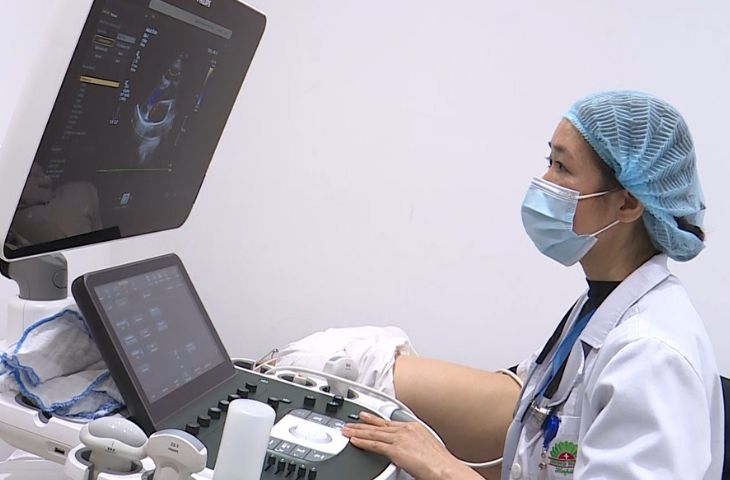
When registering for gastrointestinal cancer screening at Hong Ngoc Hospital, clients benefit from a wide range of advantages, including:
- Examination and consultation by highly qualified specialists, ensuring patient confidence: Dr. Dang Thi Kim Oanh, MD, PhD, with over 40 years of experience in diagnosing and treating gastrointestinal diseases, including nearly 30 years at the Gastroenterology Department of Bach Mai Hospital. Other physicians at the center have received advanced training in gastroenterology in Japan and South Korea.
- State-of-the-art medical equipment: Hong Ngoc Hospital is among the first private healthcare providers to utilize the Olympus CV-190 endoscopy system imported from Japan, integrated with Narrow Band Imaging (NBI) technology - currently considered one of the most advanced endoscopic systems worldwide.
- Dedicated staff providing continuous guidance and care throughout endoscopic preparation and post-anesthesia recovery.
- Comprehensive patient support before, during, and after the examination process.
- An integrated electronic medical record system across all seven facilities, enabling efficient data retrieval and close monitoring of disease progression.
- Streamlined administrative procedures with minimal waiting time.
- A modern, spacious, and comfortable hospital environment.
- Additional amenities including complimentary parking, high-speed Wi-Fi, and dining vouchers for use at on-site restaurants and cafés.
Register for consultation with leading gastroenterology specialists here:
Gastroenterology Center – Hong Ngoc General Hospital
- Hong Ngoc – Phuc Truong Minh General Hospital: No. 8 Chau Van Liem, Nam Tu Liem, Hanoi
- Hong Ngoc General Hospital: 55 Yen Ninh, Ba Dinh, Hanoi
- Hong Ngoc Savico Long Bien Clinic: 3rd Floor, Building B, Savico Megamall, 07–09 Nguyen Van Linh, Long Bien, Hanoi
Hotline: 0911 908 856 – 0932 232 016Email: khamsuckhoecanhan@hongngochospital.vn
Stay updated with useful health information and promotional programs at:https://www.facebook.com/trungtamtieuhoaBVHongNgoc