



Thyroid cancer has become a major concern for many people, with hundreds of thousands of new cases reported worldwide each year. An endocrinologist with more than 20 years of experience from Hong Ngoc General Hospital explains the causes of thyroid cancer and addresses common concerns among patients.
What is thyroid cancer?
What causes thyroid cancer is a common question among many people. To answer this question, it is first important to understand what thyroid cancer is.
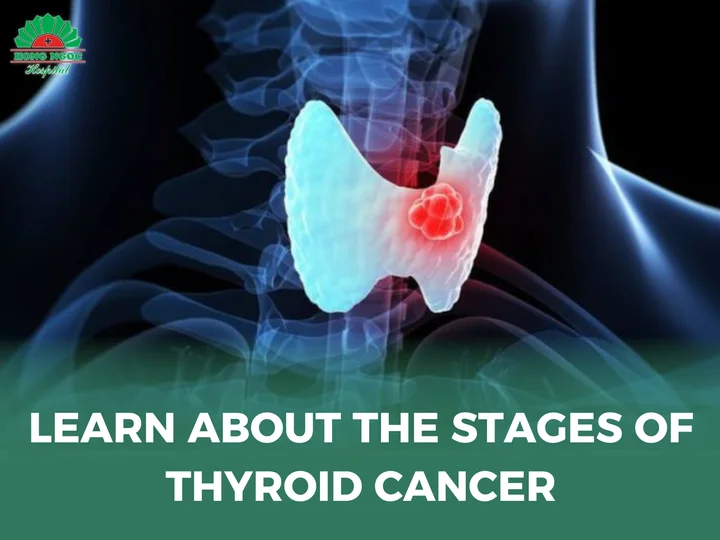
Thyroid cancer is a type of cancer that develops from cells in the thyroid gland. Specifically, cancer cells arise and form malignant tumors within the thyroid tissue.
Thyroid cancer is now one of the most common endocrine malignancies, accounting for more than 90% of all endocrine cancers.
The incidence of thyroid cancer in women is more than three times higher than in men. According to statistics from Globocan, more than 160,000 new cases of thyroid cancer are recorded among women worldwide each year, ranking it ninth among cancers in women. Meanwhile, around 50,000 new cases are reported in men annually.
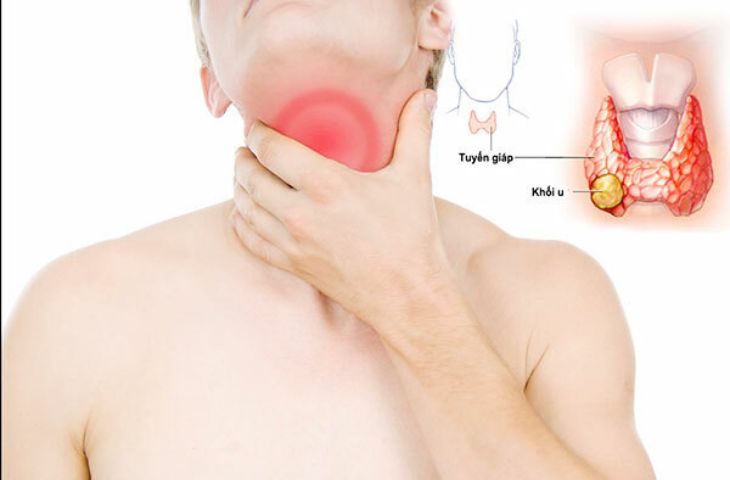
However, the cure rate for thyroid cancer can reach up to 90% if the disease is detected early and treated promptly. Conversely, if patients do not undergo regular thyroid screening and malignant tumors are not identified at an early stage, the disease may progress to serious complications and pose significant health risks.
Types of thyroid cancer
There are generally four main types of thyroid cancer: papillary, follicular, medullary, and anaplastic thyroid cancer.
Papillary thyroid cancer
Papillary thyroid cancer is the most common type of thyroid cancer, accounting for 80–90% of cases, and is most frequently diagnosed in people aged 30–50. Malignant tumors may progress more aggressively in older adults due to weakened immune function.
In general, patients under the age of 55 with small tumors confined to the thyroid gland have a favorable prognosis. However, if the disease is not detected early or well controlled, the tumor may spread to regional lymph nodes in one-third of patients and has a high risk of metastasizing to the lungs.
Follicular thyroid cancer
Follicular thyroid carcinoma accounts for about 10% of thyroid cancer cases. This type includes the Hürthle cell variant and is more common in older patients and in people with iodine deficiency.
Follicular thyroid cancer is more difficult to diagnose and more dangerous than papillary thyroid cancer because the tumor can spread through the bloodstream and metastasize to distant organs.
Medullary thyroid cancer
Medullary thyroid cancer is less common, accounting for about 4% of cases, but it is considered highly aggressive.
Medullary thyroid cancer arises from parafollicular cells, also known as thyroid C cells, leading to increased production of the hormone calcitonin. This type of cancer is often hereditary and is associated with rare conditions such as multiple endocrine neoplasia type 2A and type 2B.
Notably, tumors of this type can metastasize to cervical and mediastinal lymph nodes, and even to the liver, lungs, and bones through the lymphatic system.
Anaplastic thyroid cancer
Anaplastic thyroid cancer is the rarest type of thyroid cancer, accounting for only about 1% of cases, and is also the most aggressive form. This cancer progresses rapidly and may cause pain in patients, particularly in association with thyroid lymphoma or Hashimoto’s thyroiditis.
Older adults and women are considered at higher risk of developing anaplastic thyroid cancer.
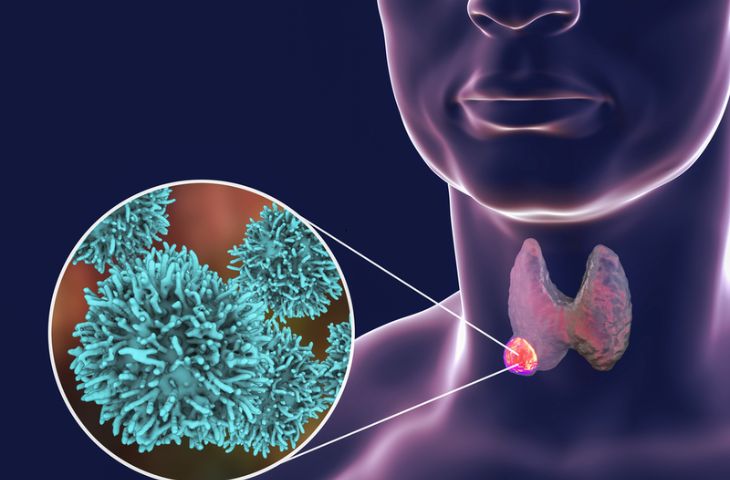
This type of cancer has no specific curative treatment, and up to 80% of patients die within one year of diagnosis.
However, patients who undergo regular thyroid screening may have the disease detected early, when the tumor is still small. In such cases, effective treatment may be achieved through thyroidectomy followed by external beam radiotherapy.
Causes of thyroid cancer
The exact cause of thyroid cancer has not yet been clearly identified.
However, based on more than 20 years of research and clinical practice, Dr. Dao Duc Phong, MSc, Deputy Head of the Department of Endocrinology at Bach Mai Hospital and Head of the Department of Endocrinology at Hong Ngoc General Hospital, points out several factors that may play an important role in the development of the disease:
- Genetic factors: Certain genes may increase the risk of developing thyroid cancer, including RET, PTEN, TP53, and BRAF. People with first-degree relatives, such as parents or siblings, who have had thyroid cancer may also face a higher risk of the disease.
- Radiation exposure: Long-term exposure to radiation sources, such as X-rays or ultraviolet radiation, may increase the risk of thyroid cancer. People living near areas with radioactive facilities or nuclear testing sites may also have an elevated risk.
- Other thyroid disorders: People with other thyroid conditions, such as thyroid goiter, chronic thyroiditis, or drug-induced toxic thyroid disorders, may also have a higher risk of developing thyroid cancer.
- Mineral and vitamin deficiencies: A diet deficient in iodine and selenium may increase the risk of thyroid cancer. Studies have also suggested that vitamin D deficiency may be a contributing factor.
- Use of thyroid-stimulating medications: Improper use of thyroid-stimulating medications, such as levothyroxine at inappropriate doses, may increase the risk of developing thyroid cancer.
- Age and sex: People over the age of 60 and women are at higher risk of developing papillary thyroid cancer, follicular thyroid cancer, and anaplastic thyroid cancer.
In summary, thyroid cancer is not caused by a single factor but may develop as a result of multiple contributing factors.
Measures to prevent thyroid cancer
Thyroid cancer is a common malignancy, particularly among women. In addition to understanding the causes of thyroid cancer, people should also be aware of preventive measures that may help reduce their risk.
Avoid carcinogenic substances
People should avoid exposure to carcinogenic substances such as tobacco, alcohol, toxic chemicals, environmental pollutants, and especially radioactive rays and radiation. These agents can cause genetic mutations in the body, thereby contributing to the formation of cancer cells.
Pay attention to abnormal body signs
Regular self-examination of the neck can help detect abnormal lumps in a timely manner. This can be done simply at home by gently palpating the neck area with your hands.
In addition, people should not ignore symptoms such as persistent fatigue, increased sensitivity, unexplained weight gain or weight loss, difficulty swallowing, or hoarseness, as these may be signs of thyroid dysfunction.
Treat thyroid-related diseases
Thyroid-related diseases such as Graves’ disease and thyroiditis should be treated promptly to help reduce the risk of thyroid cancer.
Adjust the daily diet
A diet rich in fiber and essential nutrients may help reduce the risk of thyroid cancer. Foods rich in vitamin D, selenium, and iodine may also contribute to lowering the risk of the disease.
Undergo regular health check-ups
Regular health check-ups should be strongly emphasized, as they help detect abnormal signs early and reduce the risk of thyroid cancer. For all types of thyroid cancer, including the most aggressive form, anaplastic thyroid cancer, patients may still have a chance of successful surgery if the disease is detected through early cancer screening.
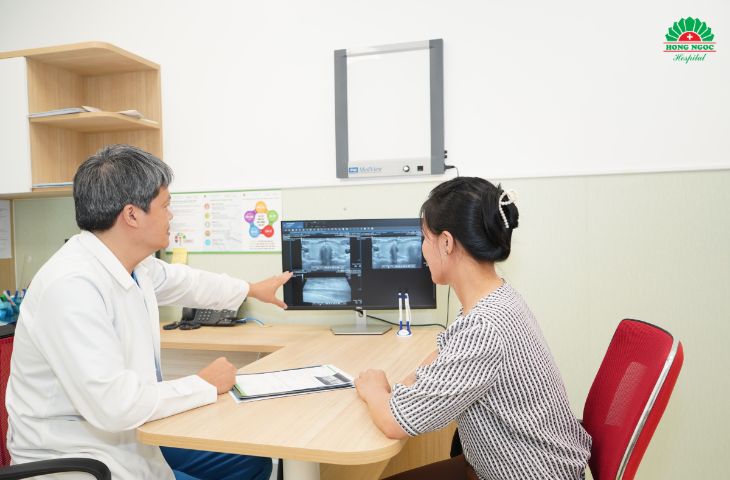
The Thyroid Disease Center at Hong Ngoc General Hospital is trusted by many patients and has received thousands of cases involving thyroid-related conditions. It is a reputable destination for thyroid cancer screening, using thyroid elastography ultrasound in diagnosis to provide an accurate assessment of the patient’s condition.
Contact information:
Endocrinology Department – Hong Ngoc Hospital
Address: No. 8 Chau Van Liem Street, Nam Tu Liem District, Hanoi
Hotline: 0911 858 626
Note: The information provided in this article by Hong Ngoc General Hospital is for reference purposes only and is not a substitute for medical diagnosis or treatment. To obtain an accurate assessment of their condition, patients should visit a reputable medical facility for direct examination and consultation with a doctor regarding an effective treatment plan.
Follow the official fanpage of Hong Ngoc General Hospital for more useful information.