


A breast abscess is a common condition in women, particularly during the postpartum and breastfeeding periods.
The bacteria causing the infection can enter the breast tissue directly through the skin, the milk ducts, or small cracks and abrasions on the nipple and areola.
In some cases, infection occurs indirectly, when bacteria spread from another infected site in the body to the breast via the bloodstream or lymphatic system, leading to the formation of a breast abscess.
What is a breast abscess?
A breast abscess is a localized infection in the breast that causes inflammation and the accumulation of pus. It usually results from a bacterial infection, leading to redness, swelling, warmth, and pain in the affected area.
This condition can occur in both men and women but is most common in breastfeeding mothers, especially within the first six months after delivery, when the breasts are active in milk production and may develop inflammation due to blocked milk ducts.
A subareolar abscess (located beneath the areola) may also occur in overweight women or those with large breasts.
Causes of breast abscess
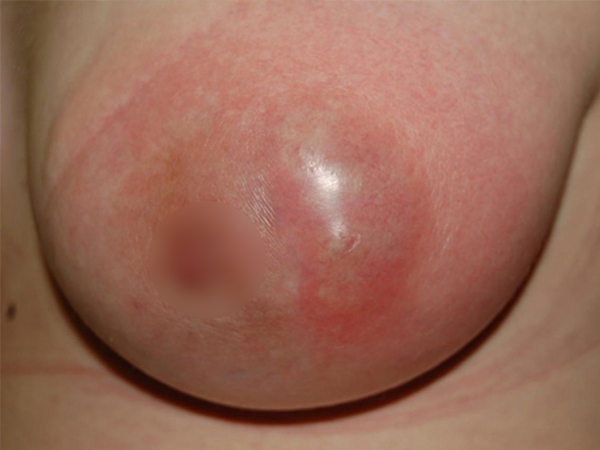
A breast abscess can occur in both men and women, but it is especially common in women — affecting up to 30% of breastfeeding mothers. The condition is typically caused by bacterial infection, most frequently by staphylococci and streptococci. Less common pathogens include pneumococci, gonococci, Salmonella bacilli, and anaerobic bacteria.
In pregnant women in the later stages of pregnancy and those who are breastfeeding, the risk of developing a breast abscess increases due to a weakened immune system resulting from illness, poor nutrition, sleep deprivation, and physical exhaustion. Most notably, milk stasis in the mammary glands after childbirth is the primary cause of breast abscess in women.
The abscess may form in various locations, including in front of the gland (subcutaneous abscess), within the gland (intraglandular abscess), or behind the gland (retromammary abscess). A breast abscess typically progresses through two stages — an initial inflammatory phase followed by abscess formation, and in severe cases, it may lead to breast tissue necrosis.
Register for breast abscess treatment HERE.
Signs and symptoms of breast abscess
The clinical presentation of a breast abscess depends on its location and stage of development. In the early stage, the condition often begins suddenly with symptoms such as high fever, fatigue, headache, and insomnia. The patient may experience deep, throbbing pain within the breast that worsens when the shoulder or arm moves or when the affected area is examined. One breast may become swollen, firm, and tender, with enlarged and painful lymph nodes in the armpit on the same side.
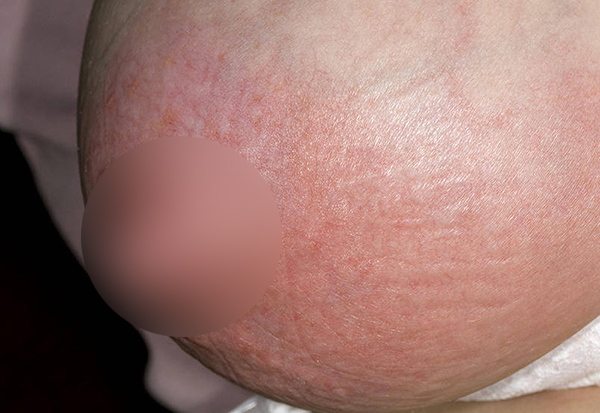
When the abscess is located close to the skin surface, the affected area often appears red, warm, and swollen. In some cases, however, when the abscess is deeper within the breast tissue, visible skin changes may not occur, and ultrasound is required for accurate diagnosis.
Laboratory findings
- Blood tests typically show elevated white blood cell counts, a left shift in the leukocyte differential, and an increased erythrocyte sedimentation rate (ESR), all indicating active infection and inflammation.
- During the abscess formation stage, localized pus-filled cavities develop within the breast as a result of tissue necrosis. There may be one or multiple abscesses located in different lobes of the mammary gland.
At this stage, all inflammatory symptoms worsen. The patient often has high fever, chills, dry lips, coated tongue, headache, thirst, pale skin, and rapid fatigue. There is deep, throbbing pain in the breast that increases with arm or shoulder movement or while breastfeeding. The breast becomes swollen, firm, and painful, and the skin over the abscess is warm, tense, red, or bluish-purple.
If the abscess is located deep within the breast, the skin surface may appear normal. Superficial veins may become prominent, accompanied by signs of lymphangitis and nipple retraction. If the abscess communicates with the milk ducts, a mixture of milk and pus may discharge from the nipple. Needle aspiration at the abscess site can confirm the diagnosis by obtaining pus.
Complications of breast abscess
- According to obstetric specialists, a breast abscess is a serious condition that may lead to several dangerous complications, including:
- Loss of milk production When the abscess is large and causes destruction of breast tissue, the mammary glands may lose their ability to produce milk.
- Widespread infection In women with weakened immunity, especially within the first three months after childbirth, the infection can spread to nearby tissues. In severe cases, bacteria may enter the bloodstream, leading to sepsis, acute nephritis, or even kidney failure, all of which can be life-threatening.
- Tissue necrosis If the abscess ruptures, it can cause necrosis of the breast tissue. The affected area may initially appear yellow-green, then gradually turn dark purple or black, accompanied by increasing pain. Mastitis with abscess formation occurs when pus accumulates between layers of skin, connective tissue, and glandular tissue, causing diffuse inflammation and severe infection. The most serious complication is gangrene of the breast, often caused by highly virulent bacteria or gas-forming bacilli.
- Chronic mastitis and increased risk of breast cancer Chronic inflammation and fibrosis of the mammary glands may, over time, increase the risk of developing breast cancer. In advanced cases, both breasts can become enlarged rapidly, with severe systemic weakness. Cytological aspiration or biopsy may confirm the presence of malignant cells.

How is breast abscess treated?
Treatment for a breast abscess primarily involves the use of antibiotics in combination with incision and drainage of the abscess. For superficial abscesses located beneath the skin or around the areola, a small incision is made to drain the pus. For deeper glandular abscesses, local or general anesthesia may be required. The incision is typically made radially at the lowest point of the abscess, about 2–3 cm away from the nipple, with a length of 7–10 cm depending on the extent of infection.
After drainage, a rubber drain or gauze wick is placed to facilitate continuous drainage, and the abscess cavity is irrigated daily with antiseptic solution. Systemic antibiotic therapy is also administered to control infection.
If symptoms suggestive of a breast abscess appear, patients should visit a reputable medical facility for prompt diagnosis and treatment by experienced specialists. In addition, maintaining good personal hygiene, especially cleaning the nipples daily, is essential to prevent reinfection in both mother and baby.
How to prevent breast abscess
Several measures are recommended to help prevent breast abscess formation:
- Maintain good breast hygiene before and after breastfeeding. Ensure proper latching technique, avoid prolonged sucking, and prevent cracking or injury to the nipples.
- Seek medical care promptly if you experience blocked milk ducts to receive appropriate treatment and restore milk flow as soon as possible.
- Gently massage the breasts daily to help dissolve milk buildup and reduce the risk of blockage.
- Continue breastfeeding regularly and avoid weaning your baby too early. When weaning, gradually reduce milk production instead of stopping suddenly.
- Avoid breastfeeding from an infected or swollen breast, as this can spread infection and affect milk quality.
Proper hygiene, early detection of milk duct blockage, and timely medical consultation are key to preventing breast abscess and protecting the health of both mother and baby.
Note: The information provided in this article by Hong Ngoc General Hospital is for reference purposes only and is not a substitute for professional diagnosis or medical treatment. To accurately determine your condition, please visit a hospital for a direct examination, diagnosis, and personalized treatment plan from a qualified physician.
Follow the official fanpage of Hong Ngoc General Hospital for more useful health information and updates on the hospital’s special offers and healthcare programs.