




Summer not only causes heat discomfort and fatigue but also increases the risk of dehydration, electrolyte imbalance, heat exhaustion, heatstroke, low blood pressure, cardiovascular complications, respiratory illnesses, and food poisoning. These risks are higher among older adults, young children, pregnant women, outdoor workers, and people with underlying medical conditions.
Quick answer: A summer health protection checklist includes drinking enough water as recommended throughout the day, avoiding outdoor activities during peak heat hours, using air conditioning at an appropriate temperature, maintaining adequate nutrition, protecting the skin from UV radiation, ensuring food safety, and monitoring warning signs such as shortness of breath, chest pain, drowsiness, confusion, high fever, fainting, or suspected heatstroke or stroke. Older adults, young children, pregnant women, and people with underlying medical conditions should be monitored more closely during heat waves.

Medical review: Nguyen Duc Manh, Specialist Level II - Department of General Internal Medicine, Hong Ngoc Phuc Truong Minh General Hospital.
Updated: May 20, 2026.
Quick summary of the article
- Prolonged hot weather can cause dehydration, increase heart rate, and reduce the body’s ability to regulate temperature. Without proper protective measures, patients may experience profound fatigue, low blood pressure, shortness of breath, electrolyte imbalance, or heatstroke.
- Drinking water regularly throughout the day is more important than drinking only when thirsty. However, fluid needs should be individualized based on age, physical activity level, sweating, heart disease, kidney disease, liver disease, and current medications.
- Prolonged outdoor activity should be avoided during peak heat hours. If going outside is unavoidable, people should rest in a cool place, wear breathable clothing, use appropriate sun protection, replenish fluids properly, and monitor for signs of dehydration.
- Air conditioning should be used at a moderate setting and should not be too cold or directed straight at the body. A temperature of around 26–28°C may serve as a reference range for many healthy adults, but it should be adjusted according to physical condition, underlying medical conditions, humidity, and actual comfort.
- High-risk groups include older adults, young children, pregnant women, people with cardiovascular, respiratory, kidney, or diabetes-related conditions, those taking diuretics, and outdoor workers.
- Emergency care is required if there is rapidly worsening shortness of breath, chest pain, bluish lips, drowsiness, confusion, fainting, seizures, high fever, hot red skin, or signs of stroke such as facial drooping, weakness in the arms or legs, or difficulty speaking.
Why can hot weather affect health?
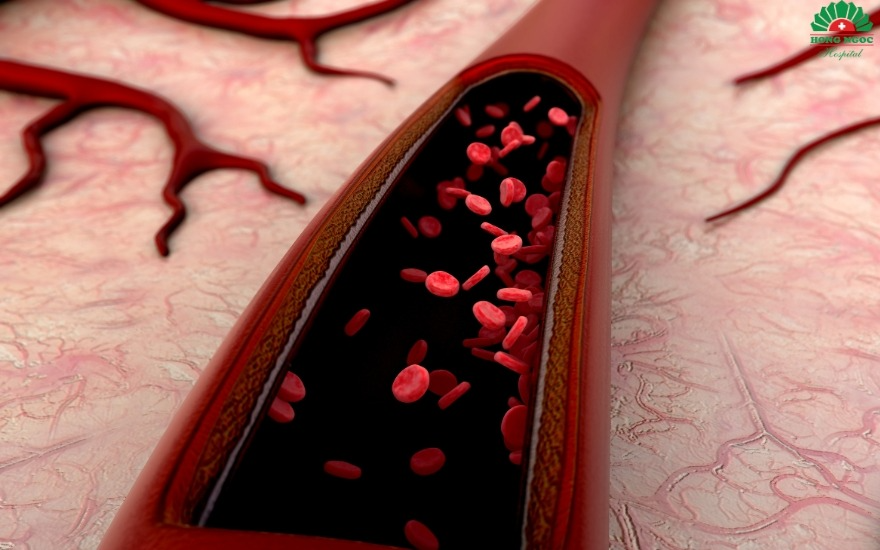
When the environmental temperature rises, the body has to work harder to maintain a stable core temperature. The main cooling mechanisms are increased sweating and dilation of blood vessels to release heat.
This can make the body more vulnerable to the following problems:
- The heart has to work harder: When blood vessels dilate to dissipate heat, the heart needs to beat faster and pump more strongly. People with cardiovascular disease, hypertension, or older adults may experience palpitations, fatigue, or more noticeable shortness of breath on hot days.
- The body loses water through sweating: Sweating helps cool the body, but it also leads to the loss of water and minerals. Without adequate fluid replacement, patients may develop dry mouth, reduced urination, dizziness, low blood pressure, or profound fatigue.
- The risk of electrolyte imbalance increases: When sweating is excessive, the body may lose sodium, potassium, and other important electrolytes. This can cause muscle cramps, rapid heartbeat, muscle weakness, nausea, or confusion in vulnerable individuals.
- The respiratory system may be more easily irritated: Hot, humid, or polluted air, as well as sudden temperature changes between outdoor heat and air-conditioned rooms, may make people with asthma, COPD, allergic rhinitis, or chronic respiratory diseases more prone to coughing, wheezing, and shortness of breath. It may also increase airway irritation and trigger acute exacerbations.
- The risk of heatstroke increases when the body cannot dissipate heat: Prolonged heat exposure, overexertion, or severe dehydration can cause body temperature to rise dangerously, leading to drowsiness, seizures, organ injury, and even death if emergency treatment is not provided promptly.
Summer health protection checklist
Detailed summer health protection checklist
Drink water regularly throughout the day
Proper hydration is an important principle that helps the body maintain circulation, regulate body temperature, and reduce the risk of dehydration. However, “drinking more water” does not mean that everyone should drink the same large amount.
Checklist to remember:
- Do not wait until you feel thirsty: By the time thirst appears, the body has often already begun to experience a certain degree of fluid deficiency. Older adults are even more prone to dehydration because the sensation of thirst may decline with age.
- Drink water in small amounts throughout the day: Taking small sips regularly helps the body absorb fluids better and reduces discomfort compared with drinking too much at once. This approach is also suitable for older adults or people who easily experience bloating.
- Pay closer attention when sweating heavily: Outdoor workers, people playing sports, those exposed to the sun for long periods, or those working in hot environments need to replenish fluids more frequently. If heavy sweating persists, appropriate fluid and electrolyte replacement may be needed.
- Monitor urine color: Dark yellow urine, reduced urination, or dry mouth may indicate dehydration. If these signs are accompanied by dizziness, rapid heartbeat, profound fatigue, or confusion, medical evaluation should be sought promptly.
- Individualize fluid intake for people with underlying medical conditions: According to the National Academies, the reference total water intake from both beverages and foods for healthy adults is approximately 2.7 liters per day for women and 3.7 liters per day for men. However, this is not a mandatory amount of plain water for everyone. People with heart failure, kidney disease, liver disease, those undergoing dialysis, or those advised to restrict fluids should consult their physician about an appropriate fluid intake.
See also: Silent dehydration in summer if you frequently experience dry mouth, reduced urination, dark-colored urine, dizziness, or persistent fatigue on hot days.

Avoid going outdoors during peak heat hours
The period from 12 p.m. to 4 p.m. is often when temperatures and UV radiation are higher during the day. Prolonged outdoor activity during this time increases the risk of dehydration, heat exhaustion, and heatstroke, and may even contribute to stroke risk.
Checklist to remember:
- Limit prolonged outdoor activity: If not necessary, avoid long walks, outdoor exercise, heavy labor, or waiting for extended periods under direct sunlight. The longer the body is exposed to heat, the higher the risk of dehydration and elevated body temperature.
- If going outdoors is unavoidable, rest in a cool place periodically: The body needs time to cool down and restore circulation. Outdoor workers should divide work into shorter periods, rest in shaded or well-ventilated areas, drink plenty of water, and replace fluids and electrolytes when needed.
- Wear breathable, light-colored clothing: Loose, light-colored, sweat-absorbing clothing helps the body dissipate heat more effectively. Dark or overly thick clothing may cause the body to become hotter and absorb heat more quickly.
- Wear a hat and use appropriate sun protection: A wide-brimmed hat, sunglasses, a suitable face mask, and breathable sun-protective clothing can help reduce direct sun exposure. However, covering the body too tightly with non-breathable materials may make it harder for the body to release heat.
- Stop activity when warning signs appear: If headache, dizziness, nausea, rapid heartbeat, muscle cramps, or profound fatigue occurs, stop activity immediately, rest in a cool place, and replace fluids appropriately.

See also: Warning signs of heatstroke and stroke that require hospitalization, including high fever, hot skin, drowsiness, seizures, weakness or paralysis of the arms or legs, severe headache, difficulty speaking, or fainting after heat exposure.
Use air conditioning properly
Air conditioning helps reduce heat, but improper use may cause dry throat, nasal congestion, mild dehydration, or make it harder for the body to adapt when moving repeatedly between hot and cold environments.
Checklist to remember:
- Maintain a moderate temperature: For many healthy adults, around 26–28°C may serve as a reference range during summer. However, the appropriate temperature should be adjusted according to age, underlying medical conditions, room humidity, airflow direction, clothing, and actual comfort.
- Do not allow cold air to blow directly onto the body: Prolonged cold airflow directed at the face, neck, chest, or back may dry the respiratory mucosa and cause sore throat, nasal congestion, or muscle aches. Young children, older adults, and people with asthma or allergic rhinitis should pay particular attention.
- Clean the air conditioner regularly: Air conditioner filters may accumulate dust, mold, bacteria, or allergens. When the unit is running, these agents may disperse into the air and irritate the respiratory tract.
- Drink water even when staying in an air-conditioned room: Dry air can still cause fluid loss through the skin and respiratory tract, even when sweating is not obvious. Office workers, older adults, and people who spend many hours in air-conditioned rooms should drink water regularly.
- Ensure appropriate room ventilation: Rooms that remain closed for long periods while using air conditioning may become stuffy and accumulate dust and odors. Ventilation can be done during cooler times of the day if outdoor air quality is suitable.
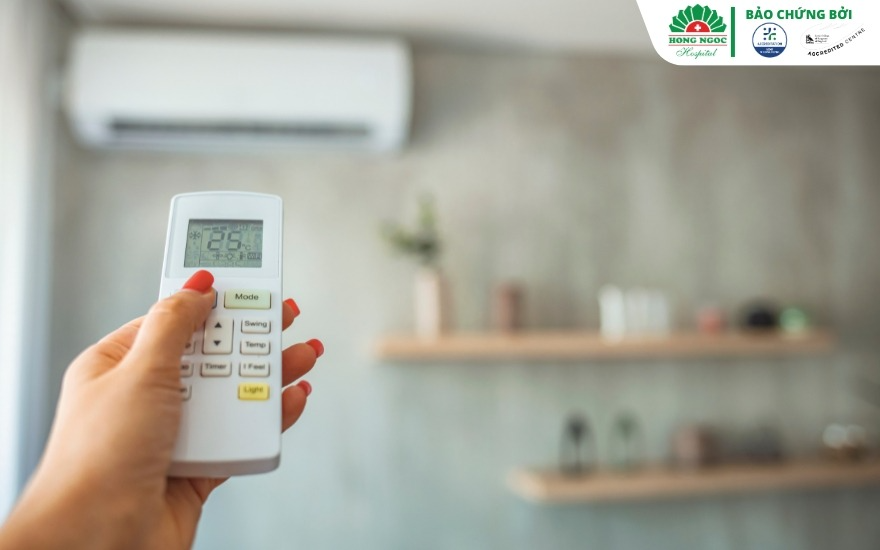
See also: Common mistakes when using air conditioning to better understand how to set the temperature, humidity, airflow direction, and clean the unit properly.
Eat nutritious, easy-to-digest foods
Hot weather can reduce appetite, causing many people to skip meals or drink more soft drinks or alcohol to “cool down.” These habits may make the body feel more fatigued, increase the risk of dehydration, and reduce its ability to adapt to high temperatures.
Checklist to remember:
- Prioritize appropriate vegetables and fruits: Vegetables, lower-sugar fruits, and water-rich foods help provide vitamins and minerals and support digestion. People with diabetes should choose suitable fruits and portion sizes.
- Avoid prolonged meal skipping: Eating too little or skipping meals can leave the body short of energy, causing fatigue, lightheadedness, and reduced heat tolerance. Older adults, people with underlying medical conditions, and those taking medications should avoid irregular eating patterns in particular.
- Limit alcohol: Alcohol can contribute to dehydration and affect blood pressure, heart rate, and sleep. Drinking alcohol in hot weather is not a safe way to cool the body.
- Limit soft drinks and sugary beverages: High-sugar drinks can increase excess calorie intake, affect blood glucose levels, and should not replace plain water. People with diabetes or metabolic disorders should be especially cautious.
- Choose easy-to-digest foods: Soups, broths, boiled or steamed dishes, and easily digestible protein sources such as fish, eggs, tofu, and lean meat may be more suitable on hot days than fried or high-fat foods.

Protect the skin and eyes from UV radiation
Summer not only increases the risk of dehydration and heatstroke but also raises the risk of sunburn, skin damage, and eye irritation caused by UV radiation. Even on cloudy days, UV rays can still affect the skin.
Checklist to remember:
- Limit exposure to intense midday sunlight: This is when UV levels are often higher, making prolonged exposure more likely to cause sunburn, skin darkening, and eye damage.
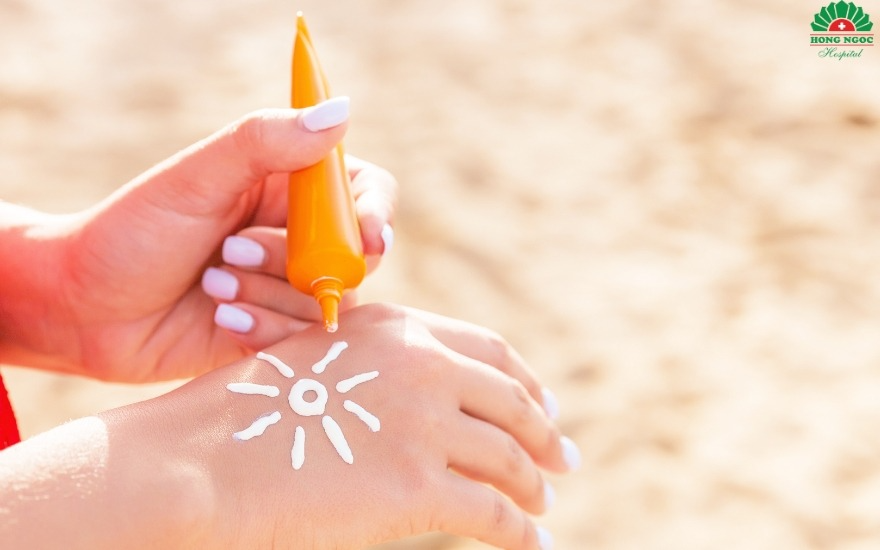
- Use appropriate sunscreen: Apply a sufficient amount and reapply according to the product instructions, especially when sweating heavily or spending long periods outdoors.
- Wear a wide-brimmed hat and sunglasses: These protective measures help reduce direct sun exposure to the face, eyes, head, and neck.
- Wear breathable long-sleeved clothing: Choose lightweight, light-colored, sweat-absorbing fabrics to provide sun protection while allowing the body to dissipate heat.
- Monitor for signs of sunburn: Red, painful skin, blistering, severe pain, or fever and profound fatigue after prolonged sun exposure should be medically evaluated.
Ensure food safety during hot weather
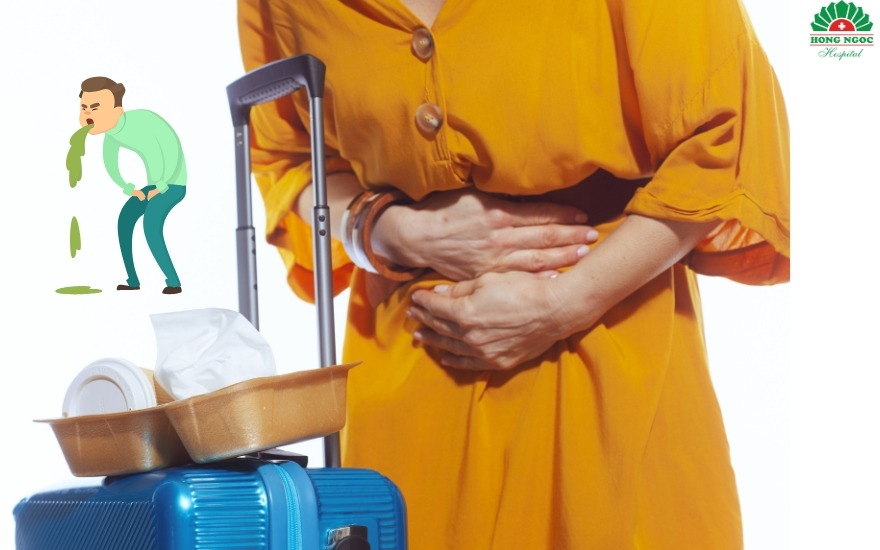
High temperatures create conditions for bacteria to grow more rapidly if food is not stored properly. Diarrhea and vomiting during hot weather can cause the body to lose fluids quickly, especially in young children and older adults.
Checklist to remember:
- Eat well-cooked food and drink safe water: Undercooked food or unsafe drinking water may increase the risk of gastrointestinal infections.
- Do not leave cooked food at room temperature for too long: Food left out for long periods in hot weather can spoil easily and become contaminated with bacteria. It should be stored properly in the refrigerator and reheated thoroughly before being eaten again.
- Wash hands before eating and after using the toilet: This simple measure helps reduce the risk of gastrointestinal illnesses during summer.
- Be cautious with street food: If food is not covered, refrigerated, or prepared hygienically, the risk of abdominal pain, diarrhea, and food poisoning may increase.
- Seek medical evaluation if signs of dehydration occur: Frequent diarrhea, persistent vomiting, high fever, excessive thirst, reduced urination, sunken eyes, or drowsiness are warning signs that require early medical assessment.
Monitor for signs of dehydration and heatstroke
Many cases of heat exhaustion or heatstroke become severe because early warning signs are overlooked. Families should closely monitor older adults, young children, people with underlying medical conditions, and outdoor workers.
Checklist to remember:
- Dry lips or dry mouth: These are often early signs that the body is becoming dehydrated or that the mucous membranes are dry. If they are accompanied by reduced urination, dark-colored urine, headache, or dizziness, fluid replacement and close monitoring are needed.
- Dizziness when standing up: This may be related to low blood pressure caused by reduced circulating blood volume. The person should sit or lie down and avoid walking unassisted while feeling lightheaded to reduce the risk of falls.
- Rapid heartbeat or palpitations: When the body is dehydrated or overheated, the heart has to work harder to maintain circulation. If a rapid heartbeat persists, the rhythm feels irregular, or symptoms are accompanied by chest pain or near-fainting, medical evaluation or emergency care is needed.
- Profound fatigue or headache: These may indicate that the body is having difficulty regulating temperature or has had prolonged fluid deficiency. If fatigue worsens, or if nausea, dizziness, or inability to continue activity occurs, the person should rest in a cool place and be closely monitored.
- High fever, drowsiness, confusion, or shortness of breath: These are dangerous warning signs that may be related to heatstroke, respiratory failure, or an acute cardiovascular condition. The patient should be taken to a healthcare facility promptly and should not wait for spontaneous recovery.
- Severe headache, weakness or paralysis of the arms or legs, or chest pain: These symptoms require careful monitoring for suspected stroke. Hospital admission should occur as early as possible within the golden window of 3.5–4 hours from symptom onset.
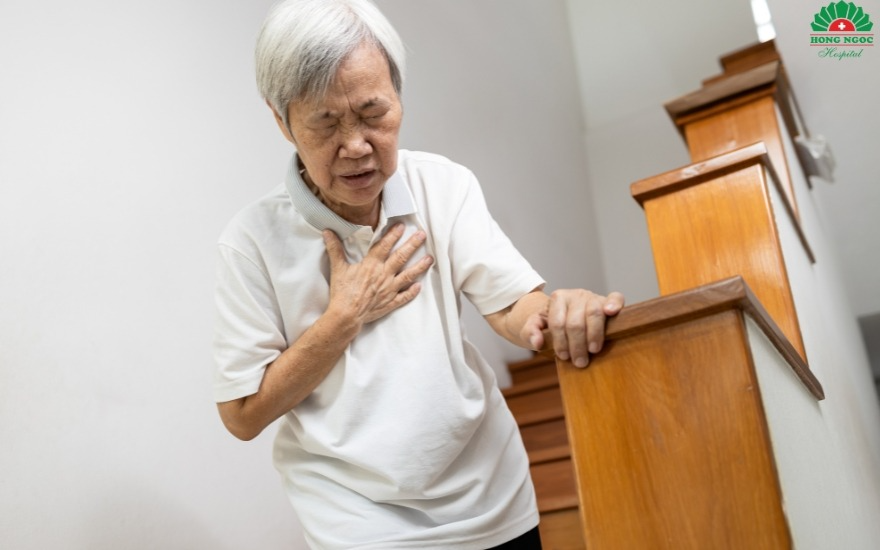
Groups that require closer attention during hot weather
Older adults
Older adults often have a reduced sensation of thirst, decreased ability to regulate body temperature, and underlying conditions such as cardiovascular disease, blood pressure disorders, respiratory disease, kidney disease, or diabetes. As a result, they are more prone than younger people to silent dehydration, low blood pressure, drowsiness, or heatstroke.
During heat waves, families should check older adults’ fluid intake, frequency of urination, blood pressure, level of alertness, and room temperature.
See also: Hot-weather disease prevention for older adults.
Young children
Young children can become dehydrated quickly, have an underdeveloped ability to regulate body temperature, and may not be able to recognize warning signs on their own. Warning signs may include irritability, poor feeding, fever, excessive sleepiness, dry lips, reduced urination, rapid breathing, wheezing, or chest retractions.
Parents should pay attention when children play outdoors for long periods, develop fever during summer, have diarrhea or vomiting, or stay in an air-conditioned room that is too cold.
Pregnant women
Pregnancy increases circulatory demands and makes the body more sensitive to heat, dehydration, and fatigue. Pregnant women should avoid prolonged outdoor activity, drink enough water as recommended, and seek medical evaluation if they experience dizziness, fainting, shortness of breath, severe headache, significant swelling, or abnormal fetal movement.

Outdoor workers and people who exercise outdoors
Delivery workers, construction workers, farmers, drivers, athletes, and people who exercise outdoors are more prone to dehydration, electrolyte loss, and heat exhaustion. These groups should take regular breaks, replace fluids appropriately, avoid prolonged overexertion, and recognize early signs such as muscle cramps, dizziness, headache, rapid heartbeat, confusion, delirium, or loss of consciousness.
People with underlying medical conditions
People with hypertension, coronary artery disease, heart failure, bronchial asthma, COPD, kidney disease, diabetes, or a history of stroke have a higher risk of complications during prolonged hot weather.
These underlying conditions may make it harder for the body to adapt to dehydration, blood pressure fluctuations, hot and humid air, or air pollution. Patients should take their medications as instructed and should not stop taking them on their own when they feel tired or dizzy.
People taking diuretics, blood pressure medications, or cardiovascular medications
Some medications may affect fluid and electrolyte balance, blood pressure, or heart rhythm during hot weather. Diuretics can increase the loss of water and salt, while blood pressure medications may make blood pressure fluctuations more noticeable if the patient becomes dehydrated.
Patients should not stop or reduce their medications on their own. If dizziness, low blood pressure, rapid heartbeat, reduced urination, swelling, or shortness of breath occurs, they should contact their physician for guidance.
People living alone or those with dementia
People who live alone, people with dementia, or those with limited ability to care for themselves may forget to drink water, may not know how to turn on a fan or air conditioner, may not recognize signs of heatstroke or stroke, or may be unable to call for help in time.
Family members should check on them regularly, especially at midday and in the afternoon during prolonged heat waves.
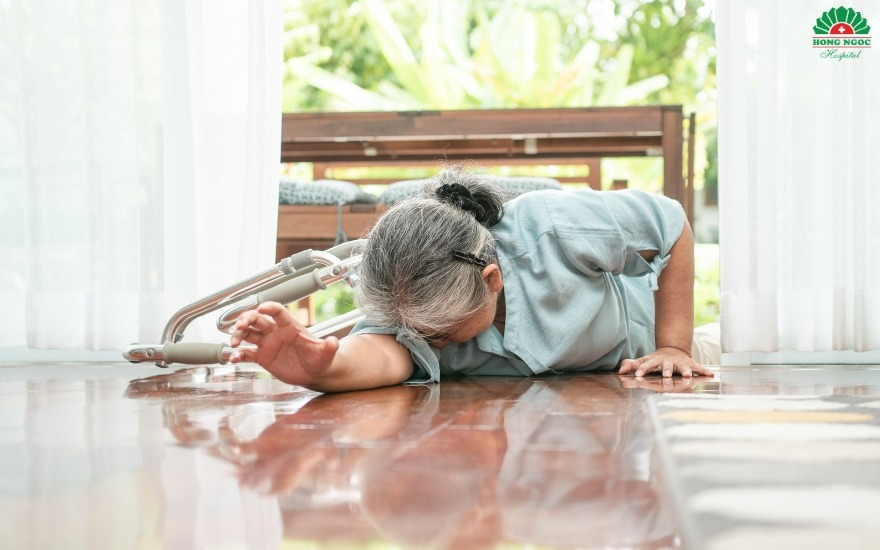
Warning signs that should not be ignored
Some symptoms during hot weather should be considered medical warning signs, especially if they occur in older adults, young children, people with underlying medical conditions, or after prolonged heat exposure.
Shortness of breath
Rapidly worsening shortness of breath, breathing difficulty that does not improve on its own, inability to speak in full sentences, or needing to sit leaning forward to breathe may indicate respiratory failure, a severe asthma attack, an acute cardiovascular event, or heatstroke. If accompanied by bluish lips, chest pain, drowsiness, or confusion, emergency care is needed immediately.
Chest pain
Chest tightness, a heavy pressure-like sensation in the chest, or pain radiating to the shoulder, left arm, neck, jaw, or back, especially when accompanied by cold sweats, nausea, or shortness of breath, may be related to an acute cardiovascular event. Patients should not wait for symptoms to resolve on their own and should seek emergency care immediately to avoid life-threatening complications.
Persistent rapid heartbeat
A rapid heartbeat may occur with dehydration or overheating. However, if it persists, feels irregular, or is accompanied by dizziness, chest pain, shortness of breath, or near-fainting, the patient should be evaluated for cardiovascular problems and electrolyte imbalance.
Drowsiness, confusion, or difficulty waking up
These signs may indicate that the brain is being affected by elevated body temperature, lack of oxygen, severe dehydration, electrolyte imbalance, or a neurological event. They should not be dismissed as simply “fatigue from the heat,” especially in older adults. This should be treated as an emergency requiring immediate intervention.
High fever, hot skin, or suspected heatstroke
Heatstroke is a medical emergency. If a patient develops high fever, hot red skin or profuse sweating, drowsiness, delirium, seizures, or fainting after being in a hot environment, they should be moved to a cool place, active cooling measures should be started, and emergency medical services should be called.
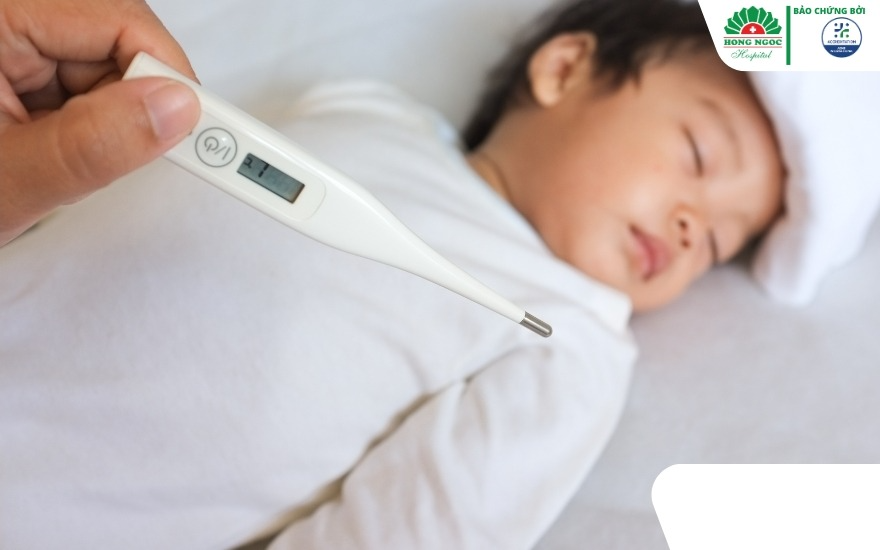
Signs of stroke
Facial drooping, weakness or numbness on one side of the body, difficulty speaking, sudden blurred vision, loss of balance, or sudden drowsiness requires immediate emergency care. Hot weather, dehydration, and blood pressure fluctuations may increase the risk of acute events in people with underlying vascular disease.
Common mistakes people make during summer
Drinking water only when thirsty
The sensation of thirst usually appears when the body has already begun to experience some degree of dehydration. In older adults, the sensation of thirst may be reduced, making dehydration more likely to occur silently. Water should be consumed regularly throughout the day instead of waiting until thirst develops.
Using oral rehydration solution or electrolyte drinks indiscriminately
Oral rehydration solution can be useful in certain situations involving dehydration due to diarrhea, vomiting, or heavy sweating, but it must be prepared according to the instructions. It should not be consumed daily when unnecessary, especially by people with hypertension, heart failure, or kidney disease, unless they have consulted a physician.
Setting the air conditioner too cold
A large temperature difference between the outdoor environment and an air-conditioned room may make it harder for the body to adapt, causing headache, dizziness, dry throat, or respiratory discomfort. A sudden and excessive temperature difference may also increase the risk of heat-related shock or stroke. Air conditioning should therefore be used at a moderate setting, and direct airflow toward the body should be avoided.
Spending prolonged periods outdoors at midday
Working, exercising, or staying outdoors for too long under intense sunlight increases the risk of dehydration, heat exhaustion, and heatstroke. If going outside is unavoidable, people should take breaks, use sun protection, and replace fluids appropriately.
Stopping medications for underlying conditions on one’s own
Some people stop taking blood pressure medications, diuretics, cardiovascular medications, or respiratory medications when they feel tired during hot weather. This may cause underlying medical conditions to become uncontrolled. Patients should consult their physician if unusual symptoms occur and should never stop prescribed treatment on their own.
Underestimating diarrhea and vomiting on hot days
Frequent diarrhea or vomiting can cause rapid fluid loss, especially in young children, older adults, and people with kidney or cardiovascular disease. If reduced urination, excessive thirst, profound fatigue, high fever, or drowsiness occurs, medical evaluation should be sought promptly.
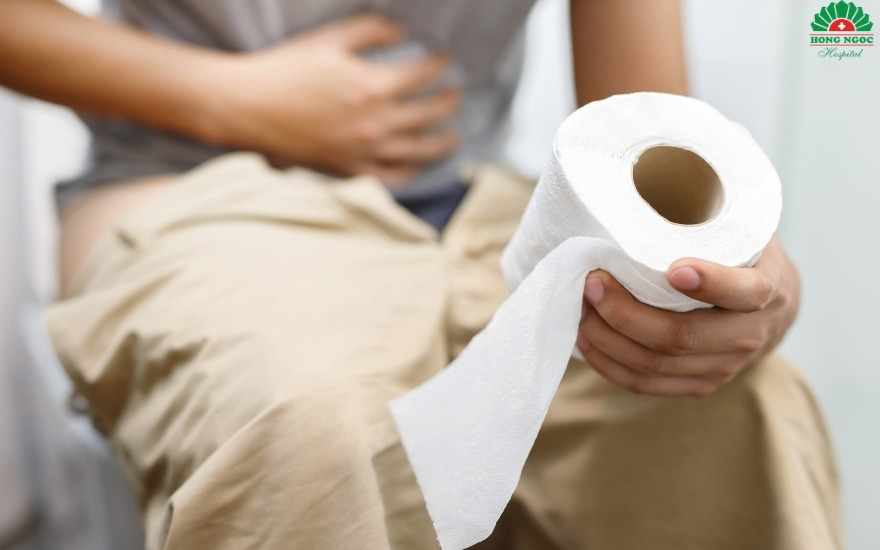
When should medical care or emergency care be sought?
Emergency care is needed immediately if dangerous warning signs appear.
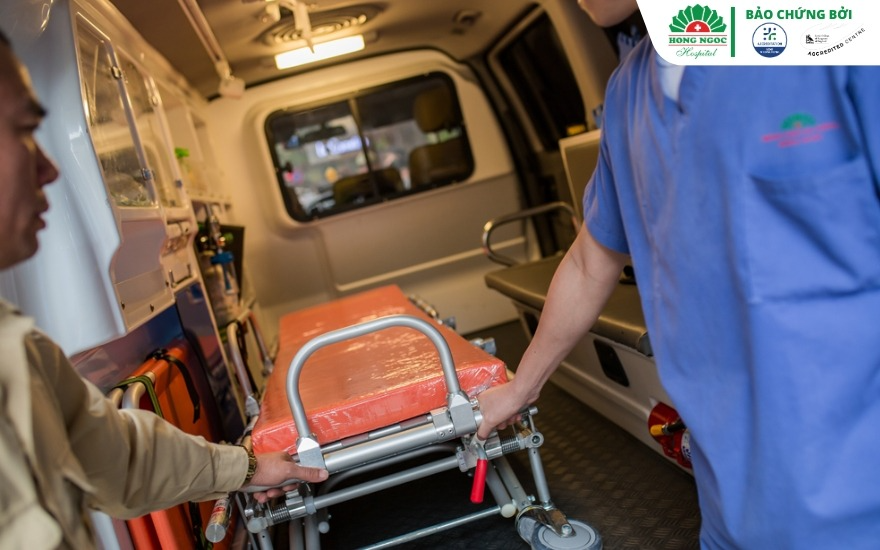
Call emergency services or take the patient to a healthcare facility immediately if any of the following occur:
- Rapidly worsening shortness of breath or inability to speak in full sentences: This may indicate respiratory failure, a severe asthma attack, an acute cardiovascular event, or heatstroke.
- Chest pain, cold sweats, or pain radiating to the shoulder, arm, neck, or jaw: A life-threatening acute cardiovascular event needs to be ruled out.
- Drowsiness, confusion, or difficulty waking up: These signs may be related to heatstroke, oxygen deficiency, severe dehydration, electrolyte imbalance, or stroke.
- Fainting or seizures: These are dangerous signs that require urgent management.
- High fever, hot skin, or suspected heatstroke: Cooling measures, monitoring of breathing and pulse, and early emergency care are required.
- Bluish lips or cold, pale skin: These may suggest oxygen deficiency or poor circulation.
- Weakness or numbness on one side of the body, facial drooping, or difficulty speaking: These are signs suggestive of stroke.
- Very little urination accompanied by profound fatigue or low blood pressure: This may be related to severe dehydration or impaired kidney function.
Seek medical evaluation early if symptoms persist or recur
Patients should visit a general internal medicine, cardiology, respiratory medicine, or other appropriate specialist if they experience:
- persistent fatigue during hot weather;
- recurrent rapid heartbeat or palpitations;
- frequent dizziness or low blood pressure;
- recurrent cough, wheezing, or shortness of breath;
- reduced urination or dark-colored urine;
- headache or nausea after sun exposure;
- cardiovascular, respiratory, kidney, or diabetes-related conditions;
- current use of diuretics, blood pressure medications, or cardiovascular medications.
Hong Ngoc General Hospital has a multidisciplinary system that supports timely medical examination and emergency care for common health problems during hot weather, including dehydration, blood pressure disorders, cardiovascular and respiratory conditions, and complications of underlying diseases.
Câu hỏi thường gặp
Frequently asked questions
What illnesses are more common during hot weather?
Hot weather may increase the risk of dehydration, electrolyte imbalance, heat exhaustion, heatstroke, low blood pressure, respiratory illnesses, cardiovascular complications, and gastrointestinal diseases caused by food that spoils easily.
How much water per day is enough?
Fluid needs vary depending on age, body weight, physical activity level, sweating, and underlying medical conditions. According to the National Academies, the reference total water intake from both food and beverages is about 2.7 liters per day for women and 3.7 liters per day for men. However, this is not a mandatory amount of plain water for everyone. People with heart failure, kidney disease, or fluid restriction should consult their physician.
What temperature should air conditioning be set at?
For many healthy adults, around 26–28°C may serve as a reference range. However, the setting should be adjusted according to age, underlying medical conditions, humidity, airflow direction, and actual comfort. Rooms should not be kept too cold, and cold air should not blow directly onto the body for long periods.
What are the warning signs of heatstroke?
Warning signs of heatstroke include a high fever of 40°C or higher, hot red skin or profuse sweating, drowsiness, delirium, confusion, seizures, shortness of breath, rapid heartbeat, or fainting after heat exposure. This is a medical emergency.
Who is most vulnerable to hot weather?
Older adults, young children, pregnant women, outdoor workers, people with cardiovascular, respiratory, kidney, or diabetes-related conditions, and those taking diuretics or blood pressure medications are more vulnerable during hot weather.
When should emergency care be called during hot weather?
Emergency care should be called if there is drowsiness, fainting, seizures, shortness of breath, chest pain, bluish lips, high fever, hot red skin, weakness or numbness on one side of the body, difficulty speaking, or suspected heatstroke.
Should oral rehydration solution be taken every day in hot weather?
Oral rehydration solution should not be taken daily without a clear need, such as dehydration, diarrhea, vomiting, or prolonged heavy sweating. It must be prepared according to the instructions. People with hypertension, heart failure, or kidney disease should consult a physician before using it frequently.
Conclusion
Protecting health during summer is not only about drinking more water. It also requires proper hydration, avoiding heat exposure at appropriate times, using air conditioning correctly, eating safely, protecting the skin from UV radiation, monitoring high-risk groups, and recognizing emergency warning signs.
Prolonged hot weather may affect the cardiovascular system, respiratory system, kidneys, and the body’s ability to regulate temperature. If shortness of breath, chest pain, drowsiness, fainting, high fever, limb weakness or paralysis, bluish lips, or suspected heatstroke occurs, the patient should be taken to a healthcare facility promptly for timely evaluation and treatment.
Medical note
This article is for reference only and is not a substitute for medical diagnosis or treatment. People with cardiovascular, respiratory, kidney, or diabetes-related conditions, pregnant women, older adults, young children, or those taking diuretics or blood pressure medications should consult a physician if unusual symptoms occur during hot weather.