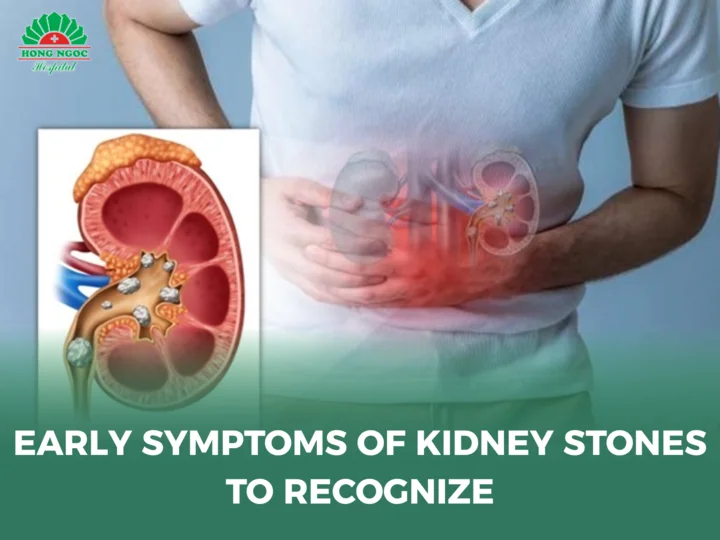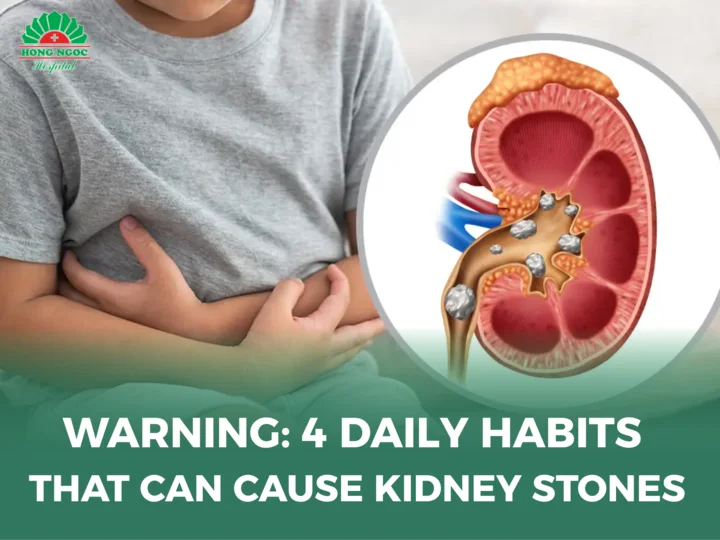




Kidney stones can remain silent for a long time and may only cause symptoms when the stone begins to move or obstruct the flow of urine. According to urologic surgeons at Hong Ngoc General Hospital, many patients experience early warning signs but may easily mistake them for common health problems. Below are seven common symptoms that may help identify kidney stones and indicate when medical evaluation is needed.
Quick answer: The seven warning signs of kidney stones include one-sided flank pain, intermittent colicky pain, blood in the urine, painful or frequent urination, cloudy or unusually foul-smelling urine, nausea or vomiting, and fever or chills. Medical evaluation should be sought early if symptoms persist. Emergency care is required if the pain is severe, fever or chills occur, vomiting is persistent, urinary retention develops, or urine output becomes very low.
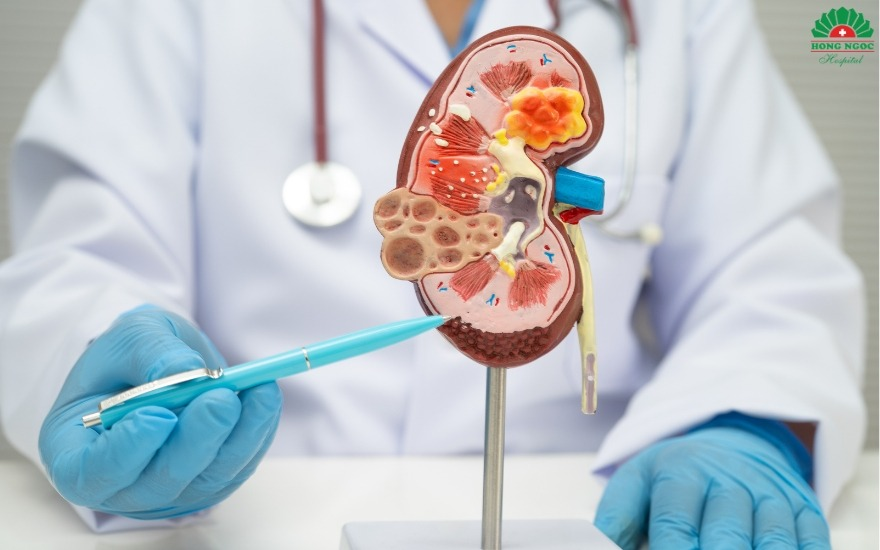
Medical review: Urology Department specialists, Hong Ngoc General Hospital.
Updated: May 20, 2026.
Quick summary of the article
- Kidney stones may cause no symptoms in the early stages. Many patients discover them incidentally during an ultrasound examination, a routine health check-up, or only when the stone begins to move and causes pain.
- One-sided flank pain and intermittent colicky pain are common warning signs. The pain may radiate to the lower abdomen, groin, or external genitalia as the stone travels down the ureter.
- Blood in the urine, painful urination, frequent urination, cloudy urine, or urine with an unusual odor may occur when the stone rubs against the urinary tract, causes irritation, or leads to a urinary tract infection.
- Nausea and vomiting may accompany renal colic. If vomiting is severe and the patient is unable to drink fluids, dehydration may occur and medical evaluation is needed.
- Fever or chills accompanied by flank pain are danger signs. This may indicate a urinary tract infection with stone-related obstruction and requires early medical evaluation or emergency care.
- Emergency care is required if the patient has severe pain that does not improve, fever or chills, urinary retention, very low urine output, persistent vomiting, drowsiness, a solitary kidney, chronic kidney disease, or is pregnant.
Why are kidney stones easily missed?
Kidney stones are solid masses formed from minerals and salts in the urine. When a stone is still small, remains stationary within the kidney, and has not caused obstruction, the patient may have no obvious symptoms.
Many cases are detected only when:
- During routine health check-ups: The patient has no abnormal symptoms, but an ultrasound detects small stones in the kidney.
- During abdominal ultrasound for another reason: Stones may be found incidentally during evaluation of the liver, gallbladder, digestive system, or urinary tract.
- Renal colic occurs: When a stone moves down into the ureter, causing ureteral spasm and increased pressure in the urinary tract, the patient may begin to experience clearly recognizable pain.
- Hematuria or urinary disturbances develop: Some patients seek medical care because of painful urination, frequent urination, pink or red urine, or suspected urinary tract infection.
It is important to note that symptoms of kidney stones may be easily mistaken for back muscle pain, abdominal pain, urinary tract infection, or gastrointestinal disease. Therefore, patients should not self-diagnose based on a single symptom alone.
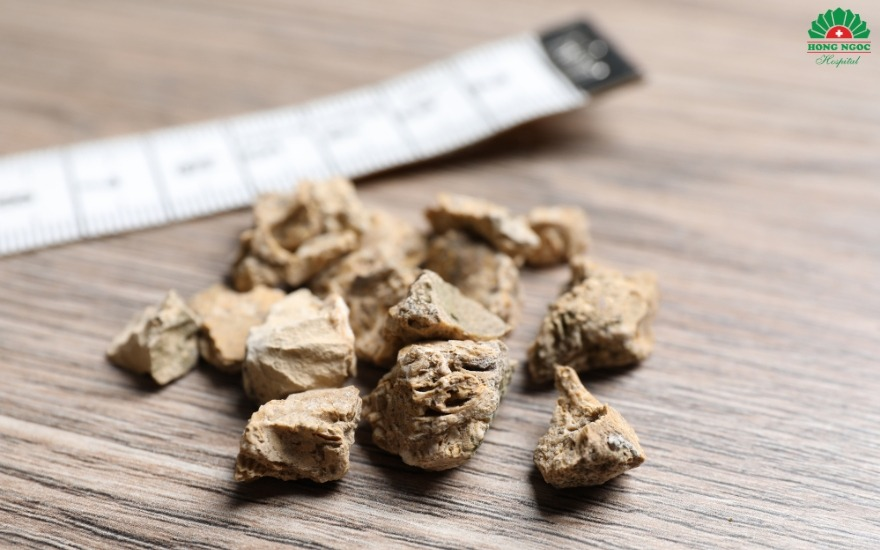
Table: Summary of seven warning signs of kidney stones
Seven warning signs of kidney stones that should not be ignored
1.One-sided flank pain
This is one of the most common symptoms when a kidney stone begins to irritate or obstruct the urinary tract. The pain typically occurs in the flank or side of the back, corresponding to the location of the kidney and ureter.
Patients may notice:
- Pain on one side of the lower back or flank: The pain may be dull, tight, or severe, depending on the size and location of the stone and the degree of obstruction to urine flow.
- Worsening pain as the stone moves: When the stone drops into the ureter, the ureter contracts to push it outward. This process can cause the pain to increase markedly.
- Pain radiating to the lower abdomen or groin: This is a fairly typical sign when the stone is located in the ureter. In some cases, the pain may radiate to the external genitalia.
- Easily mistaken for back muscle pain: Muscular back pain is often related to movement, local tenderness, or changes in posture. By contrast, stone-related pain may be colicky, radiate to the groin, and be accompanied by blood in the urine, painful urination, nausea, or profuse sweating.
When should patients pay attention? If one-sided flank pain recurs, gradually worsens, or is accompanied by blood in the urine, painful urination, fever, or vomiting, patients should seek evaluation by a nephrology-urology or internal medicine specialist.
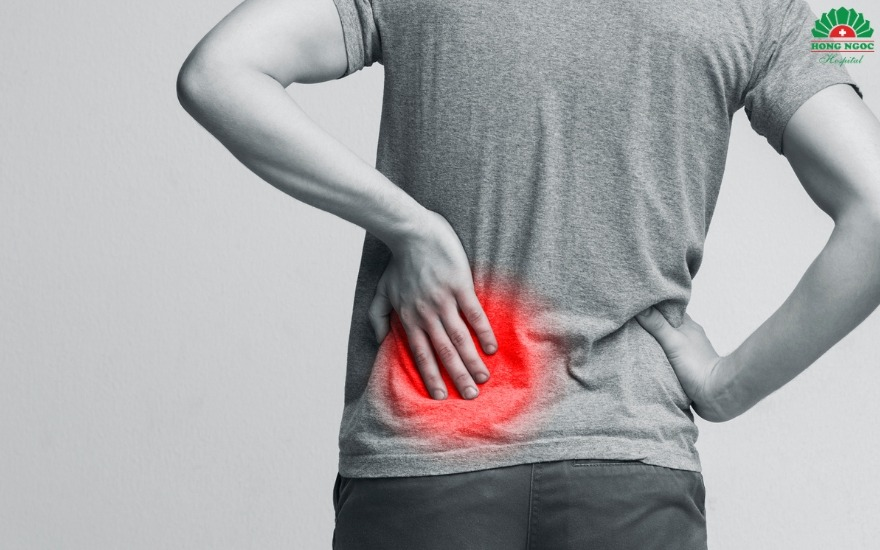
2. Severe intermittent colicky pain
Renal colic is a typical pain pattern that occurs when a stone obstructs or irritates the ureter. It is often severe, appears suddenly, and makes it difficult for the patient to find a position that relieves the pain.
Common characteristics include:
- Sudden onset of pain: The patient may be carrying out normal daily activities when the pain rapidly intensifies over a short period.
- Intermittent pain that rises and falls in waves: The ureter contracts in waves to push the stone along, causing the pain to come in episodes.
- Difficulty lying still: Unlike some other types of abdominal pain, patients with renal colic are often restless and keep changing positions, yet the pain does not improve.
- Associated profuse sweating, nausea, or vomiting: Severe pain can stimulate the autonomic nervous system and gastrointestinal tract, causing nausea, vomiting, pallor, or profuse sweating.
Severe colicky pain that does not improve, or pain accompanied by fever, chills, persistent vomiting, very low urine output, or inability to urinate, requires medical evaluation or emergency care, as it may be associated with urinary tract obstruction or infection.
3. Blood in the urine
Hematuria is a sign that should not be ignored. When a stone rubs against the lining of the kidney, ureter, bladder, or urethra, small blood vessels may be injured, leading to bleeding into the urine.
Hematuria may present in several forms:
- Pink, red, or dark brown urine: This is gross hematuria, which the patient can see with the naked eye.
- Urine that appears normal but contains red blood cells on testing: This is microscopic hematuria and is often detected through urinalysis.
- Hematuria accompanied by flank pain: This suggests a kidney stone or ureteral stone, especially when the pain radiates to the groin or occurs as colicky pain.
- Hematuria accompanied by painful or frequent urination: This may indicate a concomitant urinary tract infection or urinary tract irritation.
Hematuria is not always caused by kidney stones. It may also be a sign of urinary tract infection, glomerular disease, urinary tract tumors, or other medical conditions. Therefore, even if there is only mild hematuria or no pain, patients should still seek medical evaluation to determine the cause.
4. Painful or frequent urination
Painful urination or frequent urination may occur when a stone moves down near the bladder or the lower ureter, or when it irritates the lining of the urinary tract. These symptoms are easily mistaken for a common urinary tract infection.
Patients may experience:
- A burning sensation during urination: Irritation of the urinary tract lining can cause pain, stinging, or burning as urine passes through.
- Frequent urination with small volumes: The patient may feel a persistent urge to urinate, even though only a small amount of urine is passed each time.
- A feeling of incomplete bladder emptying: A stone near the bladder or in the lower ureter may cause discomfort or a sense of pressure in the lower abdomen.
- Easily mistaken for a urinary tract infection: If fever, cloudy urine, foul-smelling urine, or flank pain is also present, medical evaluation is needed, as an infection may coexist.
Persistent or recurrent painful and frequent urination, especially when accompanied by hematuria, flank pain, or fever, should not be managed with self-medication. Urinalysis and imaging studies may be needed to identify the underlying cause.
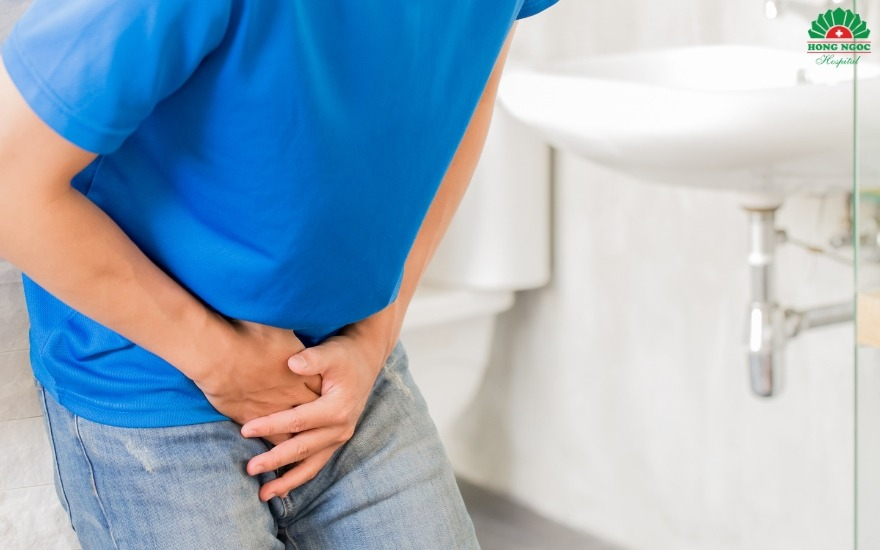
5.Cloudy urine or urine with an unusual odor
Cloudy or foul-smelling urine is not a specific sign of kidney stones, but it may suggest a urinary tract infection, especially when accompanied by flank pain, painful urination, or fever.
Possible causes include:
- A stone obstructing urine flow: Urinary stasis can create favorable conditions for bacterial growth.
- Inflammation or infection of the urinary tract: Urine may appear cloudy due to white blood cells, bacteria, sediment, or pus.
- A noticeable change in urine odor: A foul, strong, or unusual odor may occur with bacterial infection, concentrated urine, or changes related to diet or medication.
- Painful or frequent urination may also occur: This cluster of symptoms requires differentiation between urinary stones and an uncomplicated urinary tract infection.
If cloudy or foul-smelling urine is accompanied by fever, chills, flank pain, extreme fatigue, or very low urine output, the patient should seek medical evaluation early, as infection with stone-related obstruction can progress to a serious condition.
6. Nausea or vomiting
Many people do not associate nausea or vomiting with kidney stones. However, renal colic can stimulate neural pathways linked to the gastrointestinal tract, causing nausea or vomiting.
This symptom commonly occurs when:
- The colicky pain is severe: The more intense the pain, the more noticeable the nausea, sweating, or pallor may become.
- The stone obstructs the ureter: Obstruction increases pressure within the urinary tract and may trigger a systemic response.
- The patient is unable to drink fluids: Persistent vomiting increases the risk of dehydration and electrolyte imbalance and can make the urine more concentrated.
- It is easily mistaken for a gastrointestinal disorder: Some patients are admitted with abdominal pain, nausea, and vomiting before kidney or ureteral stones are identified.
If vomiting is persistent, the patient cannot drink fluids, flank pain is severe, fever is present, or urine output is very low, early medical evaluation is needed.
7. Fever or chills
Fever or chills are dangerous warning signs when kidney stones are suspected. They may indicate a urinary tract infection, which is particularly concerning if the stone is obstructing the flow of urine.
Patients should pay attention if they experience:
- Fever accompanied by flank pain: This may suggest pyelonephritis or an upper urinary tract infection.
- Chills and extreme fatigue: These may indicate a potentially worsening infection, especially in older adults, patients with chronic kidney disease, diabetes, or immunosuppression.
- Painful urination, cloudy urine, or foul-smelling urine: When these symptoms occur together with fever and back pain, a urinary tract infection related to kidney stones should be considered.
- Drowsiness, low blood pressure, or rapid heartbeat: These are danger signs and may be associated with severe infection or severe dehydration.
If high fever or chills are accompanied by flank pain, persistent vomiting, very low urine output, urinary retention, or if the patient has a solitary kidney, chronic kidney disease, or is pregnant, they should not self-medicate with antibiotics or continue taking pain relievers at home for a prolonged period. Instead, they should seek medical care immediately for physician evaluation.
Khi nào triệu chứng sỏi thận trở nên nguy hiểm?
When do symptoms of kidney stones become dangerous?
Not every case of kidney stones requires emergency care. However, certain warning signs may indicate that the stone is causing obstruction, infection, or impaired kidney function.
Symptoms become dangerous when any of the following occur:
- Severe pain that does not improve: Persistent renal colic that does not respond to rest or commonly used medications may suggest significant stone-related obstruction.
- Fever or chills: This is especially concerning when accompanied by flank pain, painful urination, cloudy urine, or extreme fatigue. It may indicate a urinary tract infection with obstruction.
- Urinary retention, very low urine output, or inability to urinate: These may be associated with urinary tract obstruction and require early evaluation to prevent kidney function impairment.
- Persistent vomiting or inability to drink fluids: This increases the risk of dehydration and electrolyte imbalance, particularly when the patient is already experiencing severe pain or fever.
- Drowsiness, low blood pressure, or extreme fatigue: These may be signs of severe infection, severe dehydration, or systemic complications.
- Pain in patients with a solitary kidney, chronic kidney disease, or pregnancy: These groups should be evaluated earlier because they are at higher risk of complications.
Who is at higher risk of developing kidney stones?
People who drink too little water or are frequently dehydrated
Inadequate fluid intake reduces urine volume, making the urine more concentrated. When the concentrations of calcium, oxalate, uric acid, or other substances become elevated, the risk of crystallization and stone formation also increases.
The risk is higher in people who work outdoors, exercise intensively, sweat heavily, or frequently avoid drinking water because they do not want to urinate often.
People with a history of kidney stones
People who have previously had kidney stones are at higher risk of recurrence than those who have never had stones, especially if the stone type has not been identified, dietary habits have not been adjusted, or they continue habits such as drinking too little water, consuming a high-salt diet, or holding urine for prolonged periods.
This group should attend follow-up appointments as scheduled and consult their physician about urinalysis, ultrasound, stone composition analysis, or an appropriate diet.
People who work outdoors in hot weather
Construction workers, delivery drivers, farmers, drivers, athletes, and people who exercise outdoors are more likely to lose large amounts of fluid through sweating. Without adequate fluid replacement, persistently concentrated urine may increase the risk of stone formation.
See also: Hot weather increases the risk of kidney stones to better understand the mechanism of dehydration and concentrated urine during the hot season.
People who consume a high-salt diet or excessive animal protein
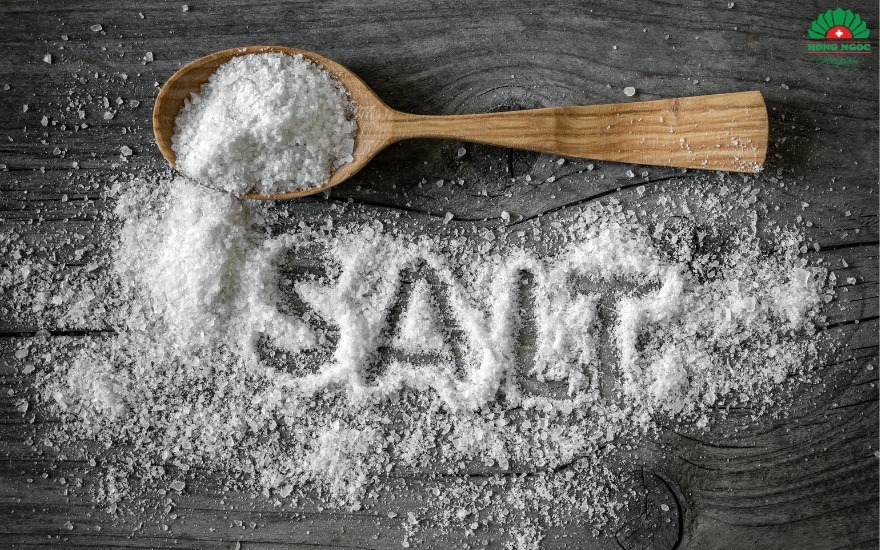
A high-salt diet may increase urinary calcium excretion in some people. Meanwhile, excessive intake of animal protein, organ meats, red meat, or alcoholic beverages may increase the risk of uric acid stones in individuals with risk factors such as gout, obesity, or metabolic disorders.
Extreme dietary restriction is not recommended. Instead, dietary adjustments should be based on the type of stone and medical advice when needed.
People with gout, obesity, diabetes, or metabolic syndrome
These conditions may be associated with metabolic disturbances, changes in urine acidity, and an increased risk of developing certain types of stones, particularly uric acid stones.
Patients should keep underlying conditions well controlled, maintain appropriate fluid intake, and seek medical evaluation if they develop flank pain, blood in the urine, painful urination, or suspected recurrent stones.
People with recurrent urinary tract infections
Recurrent urinary tract infections may be associated with certain types of stones. At the same time, stones can also make infections more persistent by obstructing urine flow.
If patients frequently experience painful urination, frequent urination, cloudy urine, foul-smelling urine, or fever accompanied by flank pain, they should undergo a thorough evaluation rather than relying only on temporary medication.
People with chronic kidney disease, a solitary kidney, or pregnancy
These groups require particular caution. If a stone causes obstruction or infection, the risk of impaired kidney function and systemic health complications may be higher.
Pregnant women with flank pain, fever, blood in the urine, or painful urination should seek medical evaluation early to ensure safety for both the mother and the fetus.
People taking certain medications or supplements
Certain medications or supplements may be associated with an increased risk of stone formation in some individuals, depending on the dose, duration of use, and underlying medical conditions. Patients should not use vitamins, high-dose calcium, diuretics, or unverified “stone-cleansing” products for prolonged periods without medical advice.

When should patients seek medical evaluation or emergency care?
Seek emergency care immediately if warning signs appear
Patients should go to an emergency medical facility if they experience:
- Severe flank pain that does not improve: This may be caused by a stone obstructing the ureter, increasing pressure within the kidney, or causing hydronephrosis.
- Fever or chills accompanied by flank pain: This may indicate a urinary tract infection with obstruction, a dangerous condition that requires early management.
- Urinary retention, very low urine output, or inability to urinate: These signs may suggest urinary tract obstruction or impaired kidney function.
- Nausea, persistent vomiting, or inability to drink fluids: These may easily lead to dehydration, electrolyte imbalance, and worsening of the condition.
- Pain in a patient with a solitary kidney, chronic kidney disease, or pregnancy: Earlier evaluation is needed because the risk of complications is higher.
- Drowsiness, extreme fatigue, or low blood pressure: These may be associated with severe infection, severe dehydration, or systemic complications
Seek medical evaluation early if symptoms persist or recur
Patients should see a general internal medicine, nephrology, or urology specialist if they have:
- recurrent flank pain;
- blood in the urine, even in small amounts;
- persistent painful or frequent urination;
- cloudy urine or urine with an unusual odor;
- suspected recurrent kidney stones;
- a history of kidney stones;
- gout, diabetes, or kidney disease;
- recurrent urinary tract infections;
- a family history of recurrent kidney stones.
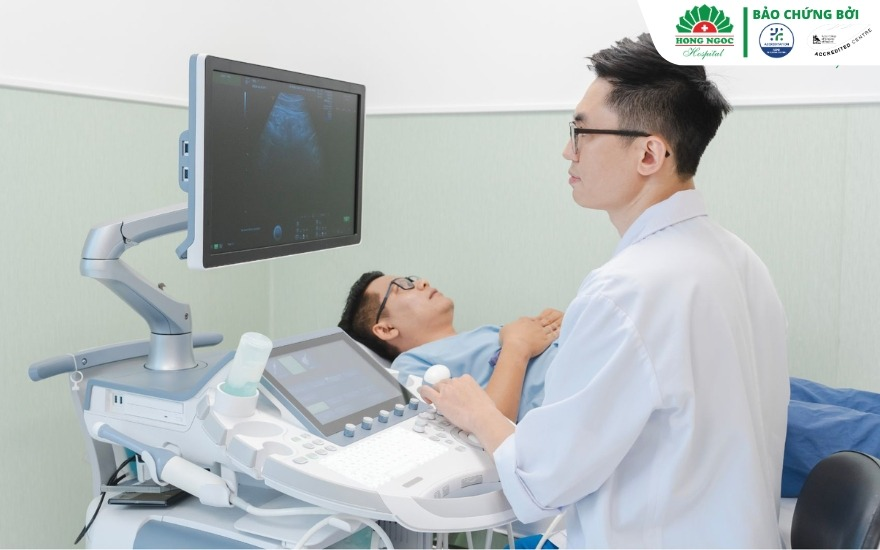
At Hong Ngoc General Hospital, patients can receive evaluation by specialists in general internal medicine, nephrology, and urology for symptom assessment, urinalysis, ultrasound, or appropriate diagnostic imaging when kidney stones are suspected. With a comprehensive high-tech medical equipment system imported from the United States and Germany, including the HD ESWL extracorporeal shock wave lithotripsy system, the Sphinx JR 100W lithotripsy system, and high-power Holmium laser technology, surgical procedures can be performed quickly and safely, helping minimize surgical complications. Customers may contact the hotline at 024 3927 5568 or leave their information below to be contacted and advised by a physician.
Frequently asked questions
Can kidney stones cause no symptoms?
Yes. Many small stones may cause no symptoms and are detected incidentally during an ultrasound examination or a routine health check-up. Symptoms usually become more apparent when the stone moves, irritates the urinary tract, or causes obstruction.
Is blood in the urine always caused by kidney stones?
No. Hematuria may be caused by kidney stones, urinary tract infection, glomerular disease, urinary tract tumors, or other conditions. Even if the amount of blood in the urine is small or there is no pain, patients should still seek medical evaluation to determine the cause.
What type of back pain suggests kidney stones?
Pain caused by kidney stones is typically one-sided flank pain. It may occur as intermittent colicky pain and may radiate to the lower abdomen or groin. If the pain is accompanied by blood in the urine, painful urination, nausea, or profuse sweating, kidney or ureteral stones should be considered.
How is back pain caused by kidney stones different from muscle pain?
Muscular back pain is often related to movement, changes with posture, or causes localized tenderness when pressed. Stone-related pain is usually colicky, makes it difficult to find a comfortable position, may radiate to the groin, and can be accompanied by blood in the urine, painful urination, nausea, or profuse sweating.
Do kidney stones cause pain on the left or right side?
Kidney stones can cause pain on either the left or right side, depending on the location of the stone. If the stone is in the ureter, the pain may radiate to the lower abdomen, groin, or external genitalia.
Can kidney stones pass on their own?
Some small stones may pass spontaneously through the urine, but this does not happen in every case. Patients should be evaluated by a physician to assess the stone’s size and location, the degree of obstruction, and the risk of infection.
Should patients drink a lot of water during renal colic?
Patients should not force themselves to drink large amounts of water if they are experiencing severe pain, persistent vomiting, urinary retention, or suspected obstruction. Medical evaluation is needed to avoid increasing pressure within the urinary tract.
Is fever dangerous when kidney stones are suspected?
Yes. Fever or chills accompanied by flank pain may indicate a urinary tract infection, which is more dangerous if stone-related obstruction is present. Patients should seek medical evaluation or emergency care early.
Conclusion
Kidney stones can remain silent for a long period. However, when a stone moves or causes obstruction, patients may develop seven warning signs, including one-sided flank pain, intermittent colicky pain, blood in the urine, painful or frequent urination, cloudy or unusually foul-smelling urine, nausea or vomiting, and fever or chills.
Among these, fever or chills accompanied by flank pain, severe pain that does not improve, urinary retention, very low urine output, persistent vomiting, or symptoms occurring in patients with a solitary kidney, chronic kidney disease, or pregnancy are warning signs that require early medical management.
If kidney stones are suspected, or if the patient has a history of urinary stones, medical evaluation is recommended to determine the cause, identify the stone’s location and size, and select an appropriate treatment approach.
Medical note
This article is for informational purposes only and is not a substitute for medical diagnosis or treatment. Patients should not use pain relievers for prolonged periods, antibiotics, diuretics, or unverified “stone-cleansing” products without medical guidance.
References